


 Canada Unveils Bill to Fast-Track Major Resource Projects
  Gold Prices Hold Steady Ahead of Trump-Xi Summit, Middle East Risks
  South Korea to Brief Lawmakers on $350 Billion US Investment Package
  Trump Open to Pezeshkian Meeting as Iran Tensions Escalate
  Trump Plans Federal AI Force and AI Czar
  US Plans Two New Military Bases in Greenland Under Arctic Deal
  Gold Prices Rise as Oil Slump Eases Fed Rate Hike Fears
  France Debt-to-GDP Ratio Seen Hitting Record 119.3% in 2026
  Telix to Acquire Germany’s ITM in $1.65 Billion Radiopharma Deal
  Petrobras Joins Brazil Diesel Subsidy Program
  Trump Grants Clemency to Jay-Z Associate Emory Jones
  Michelle Bachelet Withdraws From UN Secretary-General Race
  Yen Weakens as Dollar Gains on Widening US-Japan Rate Gap
  US Federal Register Drops Alibaba Qwen AI Search Tool
  Saudi Arabia Shuts East-West Oil Pipeline After Drone Attack
  AfD Wins German State Election as Merz’s CDU Hits Historic Low
  OpenAI Urges US-Led Global Standards for Frontier AI


 Add as a preferred source on Google
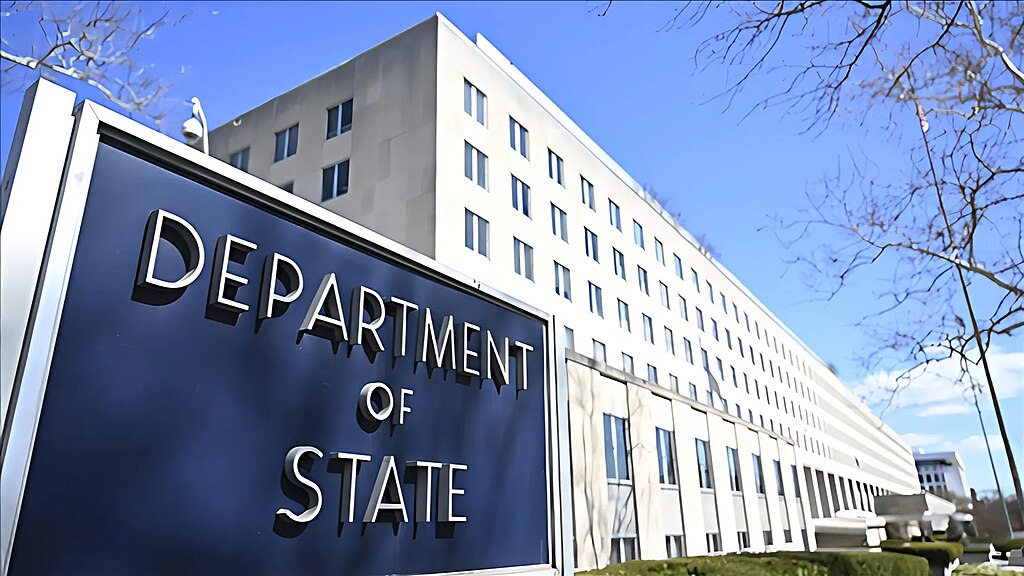
The U.S. Treasury Department has imposed new sanctions on Hengli Petrochemical (Dalian) Refinery Co., a major Chinese independent refinery, over its large-scale purchases of Iranian crude oil and petroleum products. The move comes as Washington and Tehran attempt to revive diplomatic negotiations, highlighting ongoing tensions surrounding Iran’s oil exports and global energy trade.
According to the Treasury’s Office of Foreign Assets Control (OFAC), Hengli Petrochemical has been identified as one of the biggest buyers of Iranian oil. In addition to targeting the refinery, U.S. authorities also sanctioned around 40 shipping companies and vessels linked to Iran’s so-called “shadow fleet,” which is used to transport oil despite international restrictions. These sanctions aim to disrupt Iran’s ability to export crude oil and limit its revenue streams.
This latest action follows earlier measures taken by the Trump administration against other Chinese “teapot” refineries, including Hebei Xinhai Chemical Group, Shandong Shouguang Luqing Petrochemical, and Shandong Shengxing Chemical. Those previous sanctions created operational challenges, such as restricted access to crude supplies and the need to rebrand refined products to continue sales.
Teapot refineries, which make up about 25% of China’s refining capacity, typically operate on thin profit margins that can sometimes turn negative. Recently, these independent refiners have also been dealing with declining domestic demand, adding further pressure to their business operations. The new sanctions could intensify these challenges, particularly by limiting access to Iranian crude oil.
Under U.S. sanctions, any assets linked to the designated entities within American jurisdiction are frozen, and U.S. individuals and businesses are prohibited from engaging in transactions with them. These restrictions have already discouraged some larger independent refiners from continuing to purchase Iranian oil.
China remains Iran’s largest oil customer, accounting for more than 80% of its shipped crude in 2025, according to data from analytics firm Kpler. The latest sanctions underscore the U.S. strategy to curb Iran’s oil exports while influencing global energy markets and geopolitical dynamics.







