


 Blue Origin’s New Glenn Achieves Breakthrough Success With First NASA Mission
  NASA Resumes Cygnus XL Cargo Docking with Space Station After Software Fix
  Eli Lilly’s Inluriyo Gains FDA Approval for Advanced Breast Cancer Treatment
  SpaceX Starship Explodes in Texas During Test, Citing Nitrogen Tank Failure
  FDA Pilot Program Eases Rules for Nicotine Pouch Makers
  Is space worth the cost? Accounting experts say its value can’t be found in spreadsheets
  Trump Administration to Launch Autism Initiatives Targeting Acetaminophen Use and New Treatment Options
  Tabletop particle accelerator could transform medicine and materials science
  Trump and Merck KGaA Partner to Slash IVF Drug Costs and Expand Fertility Coverage
  Neuralink Expands Brain Implant Trials with 12 Global Patients
  SpaceX Prioritizes Moon Mission Before Mars as Starship Development Accelerates
  SpaceX’s Starship Completes 11th Test Flight, Paving Way for Moon and Mars Missions


While the renewable energy industry has been doing very well recently, it’s still a fact that most of the world depends on fossil fuel to generate energy and for transportation. In this regard, tech pioneer and Microsoft Founder Bill Gates believes that artificial photosynthesis could be of great use. By basically harnessing the energy gathered from the sun and storing it in a liquid format, it could replace fossil fuels.
For the most part, using artificial photosynthesis and harvesting solar energy are similar only with regards to the source that they both used. However, instead of storing the energy in batteries, as the latter does, the former would involve converting sunlight to hydrogen, Futurism reports.
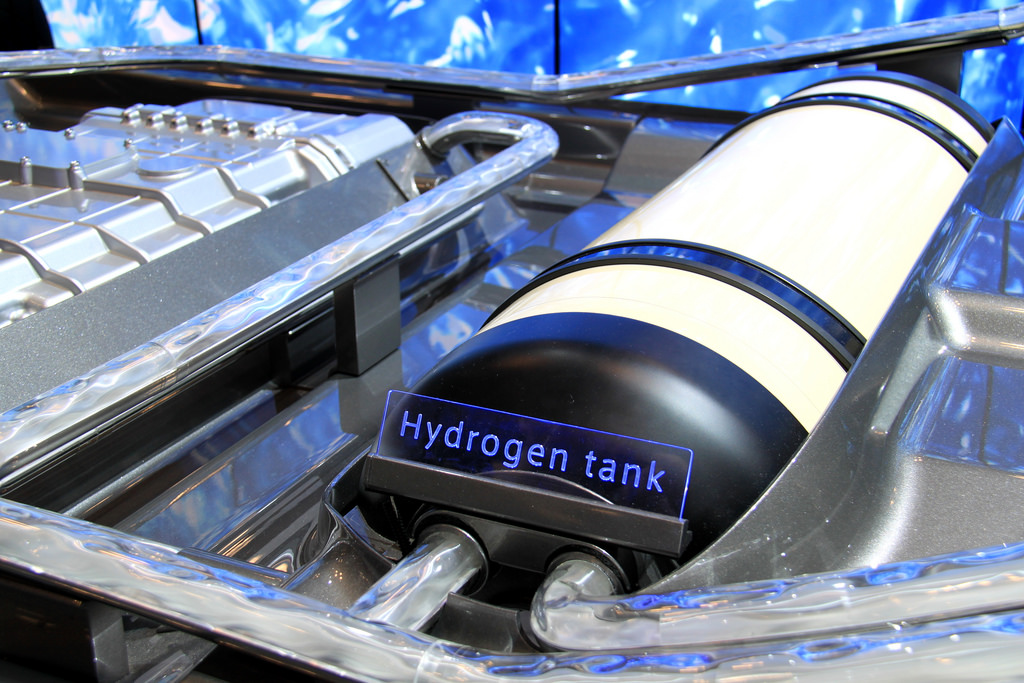
As Iceland has already proven, using hydrogen at a large-scale is more than possible and could save a lot of money, not to mention reducing pollution. However, producing hydrogen is not exactly an easy thing to do, on account of the complicated process involved.
What attracts Gates to the idea of converting solar power to hydrogen to fuel vehicles is the simple fact that it’s a much easier solution to adapt than solar-powered cars. The billionaire even considers such a concept magical and would involve nothing more than filling up a vehicle with clean energy that can be used whenever needed and refueled using conventional means.
As Big Think points out, however, one of the biggest problems with using artificial photosynthesis is the matter of efficiency. In laboratory conditions, the synthetic method has already surpassed nature’s one percent conversion with the 22 percent that researchers at Monash University in Melbourne, Australia have already accomplished. Even so, the technology still has a long way to go.
For anyone concerned that this might have a negative impact on solar and other renewable resources, such an outcome is unlikely. The world can never have enough options with regards to clean energy.













