


 Trump Meets Venezuela’s Delcy Rodriguez at UN Assembly
  Macron Challenges Trump’s Gaza Peace Claims at UN
  China Tightens Fentanyl Rules Ahead of Trump-Xi Summit
  Lula and Flavio Bolsonaro Tied in Brazil Runoff Poll
  Venezuela Promises Elections as Delcy Rodriguez Pledges Democratic Transition
  Burnham Eyes UK Leadership Role in AI Ahead of Trump Meeting
  Ghana Says Western Support Growing for Slave Trade Reparations
  Sudan Rejects US Legitimacy Remarks, Defends Sovereignty
  Zelenskiy Warns Russia Preparing Major Attack on Ukraine
  Vietnam, US Trade Deal Could Be Signed Soon, To Lam Says
  Macron, Trump Discuss Ukraine-Russia Energy Strike Moratorium
  South Korea, US Discuss Warship Building Cooperation
  Taiwan Vows to Advance US Arms Sales Ahead of Trump-Xi Meeting
  Trump to Press Xi on Release of US Nuclear Expert Held in China
  Trump Says U.S.-Iran Peace Deal Near After UN Talks
  Russian Strikes Kill Eight Across Ukraine as Energy Sites Hit
  US Officials Split Over Response to Israeli West Bank Settlements


 Add as a preferred source on Google
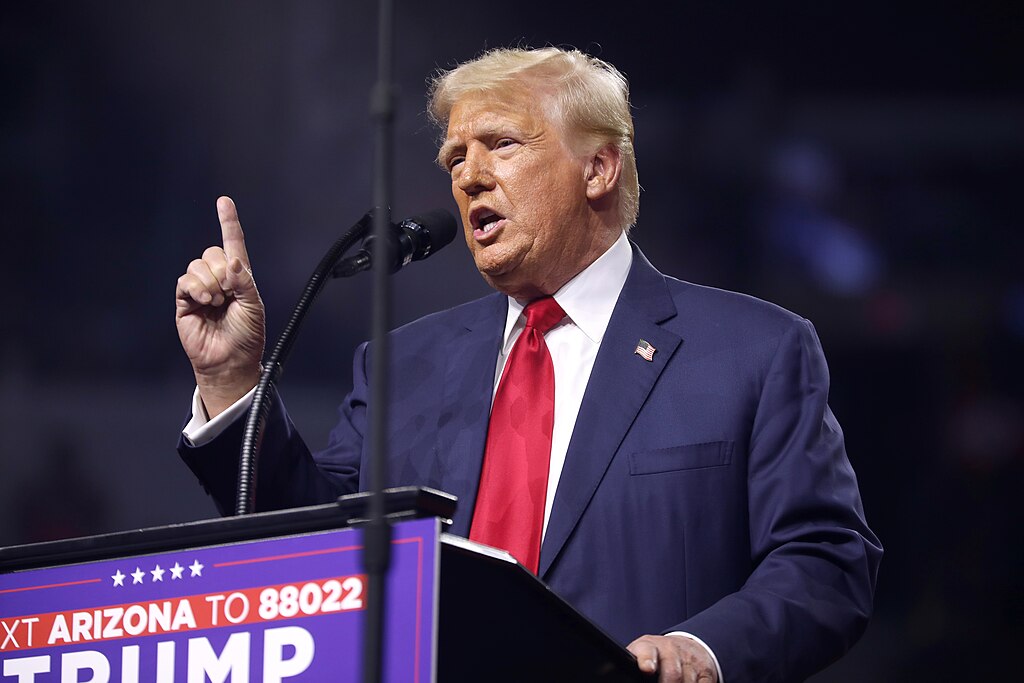
Arizona voters have passed Proposition 314, a controversial measure granting state and local authorities unprecedented power to arrest and deport undocumented migrants who cross into the state illegally. The new law, which allows local police officers to detain migrants and state judges to order deportations, has sparked debate across the political spectrum and raised questions about immigration policy enforcement.
Proposition 314, approved by a significant margin in Tuesday’s election, empowers Arizona to take immigration enforcement into its own hands, a move traditionally reserved for federal agencies. Supporters hail the law as a necessary step to address what they view as federal inaction on border security, while critics argue it could lead to potential overreach and abuse of power by local authorities.
“This law puts Arizona at the forefront of state-level immigration enforcement,” said State Rep. Jim Barkley, a strong proponent of the measure. “We can no longer wait for Washington to address the border crisis. Arizona is stepping up to protect its communities.”
Supporters Argue Prop. 314 Will Deter Illegal Crossings
For advocates, Prop. 314 represents a long-awaited solution to the challenges Arizona has faced as a border state. By granting local law enforcement the authority to act decisively on immigration matters, proponents say the state can more effectively address issues associated with undocumented migration, including crime, strain on public resources, and community safety.
“Prop. 314 gives Arizona the power to act where the federal government has failed,” said Sheriff Joe Thomas of Pima County, an outspoken supporter of the measure. “Our officers now have a mandate to arrest those crossing illegally, and judges will have the authority to order their deportation. This sends a clear message to anyone thinking of crossing our border without authorization: Arizona will not look the other way.”
Proponents argue that by empowering local authorities, the state can alleviate pressure on federal agencies and prevent undocumented migrants from dispersing into communities across Arizona. They believe that the law will serve as a deterrent, discouraging illegal crossings and reducing the number of migrants entering the state.
Critics Warn of Possible Overreach and Legal Battles
Despite support from conservative lawmakers and border security advocates, Prop. 314 has drawn strong criticism from immigrant rights groups and civil liberties organizations. Detractors argue that the law could encourage racial profiling and potentially violate federal law by encroaching on the responsibilities of federal immigration authorities.
“This law is a dangerous step toward a police state,” warned Maria Torres, an advocate with the Arizona Immigrant Rights Coalition. “Allowing local officers to arrest migrants and state judges to deport them disregards due process and the role of federal oversight in immigration.”
Legal experts also suggest that Prop. 314 could face challenges in court. Federal law grants exclusive jurisdiction over immigration enforcement to federal agencies, and some argue that Arizona’s new law may conflict with established constitutional principles.
“If challenged, this law could be tied up in court for years,” said legal analyst Peter Driscoll. “Arizona may have overstepped its bounds by attempting to enforce immigration policy at the state level.”
Future of Arizona’s Immigration Policy in Uncertain Territory
As Arizona braces for the implementation of Prop. 314, both supporters and critics anticipate potential conflicts with federal authorities and the possibility of lengthy legal battles. For now, Arizona law enforcement is preparing to enforce the measure, with local police and state judges ready to exercise their newly granted powers.
State Rep. Barkley remained adamant: “This is what Arizona needs to do to protect its borders. If Washington won’t act, we will.”
The passage of Prop. 314 marks a significant shift in Arizona’s approach to immigration enforcement, setting the stage for potential showdowns between state and federal authorities over who has the final say on immigration policy.







