


 Trump to Press Xi on Release of US Nuclear Expert Held in China
  Ghana Says Western Support Growing for Slave Trade Reparations
  Sudan Rejects US Legitimacy Remarks, Defends Sovereignty
  Kremlin Says No Grounds Yet for Ukraine Peace Talks
  Gaza Faces Evacuation Crisis as War-Damaged Buildings Risk Collapse
  China Tightens Fentanyl Rules Ahead of Trump-Xi Summit
  Scott Bessent Eyed as Trump’s New AI Czar
  Iran Vows ‘Crushing’ Response as US Talks Continue
  Burnham Eyes UK Leadership Role in AI Ahead of Trump Meeting
  Trump Meets Venezuela’s Delcy Rodriguez at UN Assembly
  Europe Warns Russia Is Escalating Hybrid Attacks Across NATO
  South Korea, US Discuss Warship Building Cooperation
  Marco Rubio to Meet Russia’s Lavrov in New York
  Canada Unveils Bill to Fast-Track Major Resource Projects
  US Invites Putin to Miami G20, Opening Door to Trump Summit
  Russian Envoy Dmitriev Heads to US for Ukraine Talks
  Vietnam, US Trade Deal Could Be Signed Soon, To Lam Says


 Add as a preferred source on Google
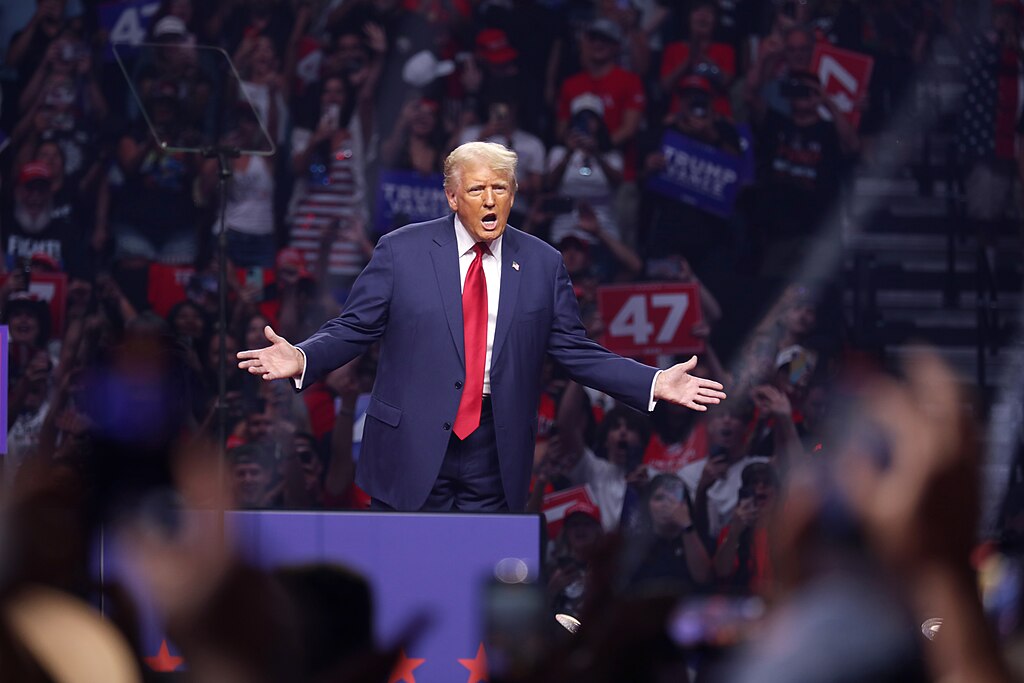
In a decisive policy shift, former President Donald Trump has announced plans to advocate for term limits on members of Congress, aiming to curtail prolonged tenures and promote legislative turnover.
During a recent rally in Colorado Springs, Trump declared his intention to pursue a constitutional amendment imposing term limits on federal lawmakers. He proposed a maximum of three terms (six years) for House representatives and two terms (12 years) for senators.
"Decades of failure in Washington, and decades of special interest dealing, must come to an end," Trump stated. "We have to break the cycle of corruption, and we have to give new voices a chance to go into government service."
The concept of congressional term limits has garnered substantial public support. A 2023 Pew Research Center survey revealed that 87% of Americans favor limiting the number of terms members of Congress can serve.
However, implementing such a change presents significant challenges. Amending the Constitution requires a two-thirds majority in both the House and Senate, followed by ratification from three-fourths of state legislatures. Historically, similar proposals have faced resistance within Congress, where many members are reluctant to limit their own tenure.
Critics argue that term limits could lead to a loss of experienced legislators, potentially diminishing the effectiveness of governance. They contend that institutional knowledge and expertise are vital for crafting complex legislation and navigating the intricacies of federal policy.
Proponents, however, assert that term limits would reduce the influence of special interests and decrease instances of political entrenchment. They believe that regular infusion of new members would foster innovation and better reflect the evolving will of the electorate.
This initiative aligns with Trump's broader agenda to "drain the swamp" and reform Washington's political landscape. During his 2016 campaign, he pledged to "push for a constitutional amendment to impose term limits on all members of Congress."
The proposal has sparked a renewed debate on the balance between experience and fresh perspectives in legislative bodies. As discussions unfold, the feasibility of enacting term limits remains uncertain, given the procedural hurdles and political dynamics involved.
Trump's advocacy for this measure underscores his ongoing influence within the Republican Party and his commitment to reshaping federal governance structures. Whether this effort will gain the necessary traction to effect constitutional change is yet to be determined.







