


 U.S. Budget Airlines Seek $2.5 Billion Government Aid Amid Rising Jet Fuel Costs
  U.S.-China Beef Trade Deal Hopes Rise Ahead of Trump-Xi Summit
  Judge Rules Use of Military Lawyers in Civilian Prosecutions Is Lawful
  China Banks Halt New Loans to Sanctioned Refineries Amid U.S.-Iran Oil Crackdown
  White House Withdraws Trump’s National Park Service Nominee Amid Criticism
  CDC Monitors U.S. Travelers After Hantavirus Outbreak on Luxury Cruise Ship
  FEMA Reinstates Employees After Dissent Letter, Signaling Shift in Workforce Stability
  Trump Invites Top CEOs Including Nvidia, Apple, Boeing to China Summit With Xi Jinping
  China-Made Fireworks Power U.S. Independence Day Celebrations Amid Trade Truce
  Trump Expands Cuba Sanctions Targeting Key Sectors and Foreign Entities
  Trump Says U.S. Navy Destroyers Passed Strait of Hormuz Under Iranian Fire
  Judge Delays SEC Settlement With Elon Musk Over Twitter Stock Disclosure Case
  Australia’s Wealthy Donors Shift Support to One Nation Amid Conservative Party Decline
  US Launches Retaliatory Strikes on Iran Amid Rising Strait of Hormuz Tensions
  Russia Downs Over 50 Drones Near Moscow Ahead of Victory Day Ceasefire
  Pope Leo Calls for Peace as Vatican Seeks Better Ties With U.S.
  US-Iran Ceasefire Under Pressure as Fresh Strait of Hormuz Clashes Shake Oil Markets


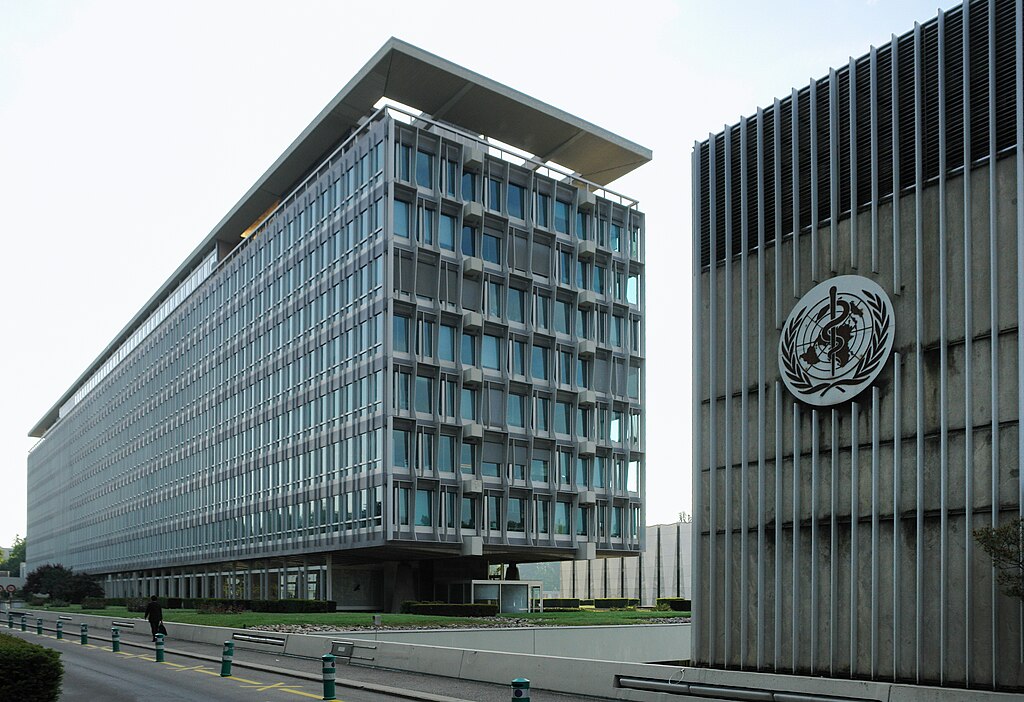
The World Health Organization (WHO) has taken a major step toward strengthening global health security by approving a groundbreaking treaty aimed at enhancing pandemic preparedness. At the World Health Assembly on Monday, 124 member states voted in favor of the accord, with no opposing votes. Eleven countries, including Slovakia, Poland, Israel, Italy, Russia, and Iran, abstained. The vote followed a call by Slovakia, led by a vaccine-skeptic prime minister, to challenge the agreement.
WHO Director-General Tedros Adhanom Ghebreyesus hailed the vote as a global commitment to building a more equitable, healthier, and safer world amid increasing threats from infectious diseases. The draft treaty seeks to correct systemic imbalances in the development and distribution of vaccines, medicines, and health tools—issues highlighted during the COVID-19 pandemic, which claimed millions of lives from 2020 to 2022.
The treaty will be formally adopted in a plenary session in Geneva on Tuesday. However, its implementation hinges on the completion of an annex concerning the sharing of pathogens, a process expected to take up to two years. Following that, countries will need to ratify the agreement domestically.
Despite its broad support, the United States is not bound by the treaty. U.S. representatives withdrew from negotiations after President Donald Trump began a formal process to exit the WHO upon taking office, halting funding from its largest financial contributor.
After three years of complex negotiations, global health experts view the agreement as a win for multilateral cooperation, particularly at a time when international institutions like the WHO face financial and political pressures.
By addressing future pandemic threats and ensuring fair access to health solutions, the treaty marks a historic move in global health governance.







