


 Japan Eases Arms Export Rules, Opening Door for Potential Ukraine Defense Support
  FEMA Reinstates Employees After Dissent Letter, Signaling Shift in Workforce Stability
  U.S. Cybersecurity Pushes Faster Patch Deadlines Amid Rising AI-Driven Threats
  Trump Considers Withdrawing U.S. Troops from Italy and Spain Amid NATO Tensions
  Australia Targets Meta, Google, and TikTok With New News Payment Tax Proposal
  White House Withdraws Trump’s National Park Service Nominee Amid Criticism
  Robinhood Q1 Earnings Miss Expectations, Stock Drops After Hours
  AstraZeneca Q1 2026 Earnings Surge on Strong Oncology and Rare Disease Drug Sales
  Iran-U.S. Conflict Escalation Threatens Global Oil Supply and Economic Stability
  Seagate Stock Surges After Strong Q3 Earnings Beat and Bullish Outlook
  Novartis Q1 2026 Earnings Miss Expectations as Generic Competition Pressures Sales
  Micro Systemation Reports Q1 Loss Amid Strategic Investments and Revenue Growth
  US Gaza Coordination Overhaul Raises Concerns Over Ceasefire and Aid Efforts
  Lightelligence IPO Soars Over 400% in Hong Kong Debut Amid Rising AI Investment Demand
  Panama Defends Port Takeover Amid U.S.-China Tensions and Canal Dispute
  Amazon Stock Dips Despite Record Earnings as AI Infrastructure Spending Surges
  Lebanon Political Divide Complicates Saudi Push for Israel Negotiations


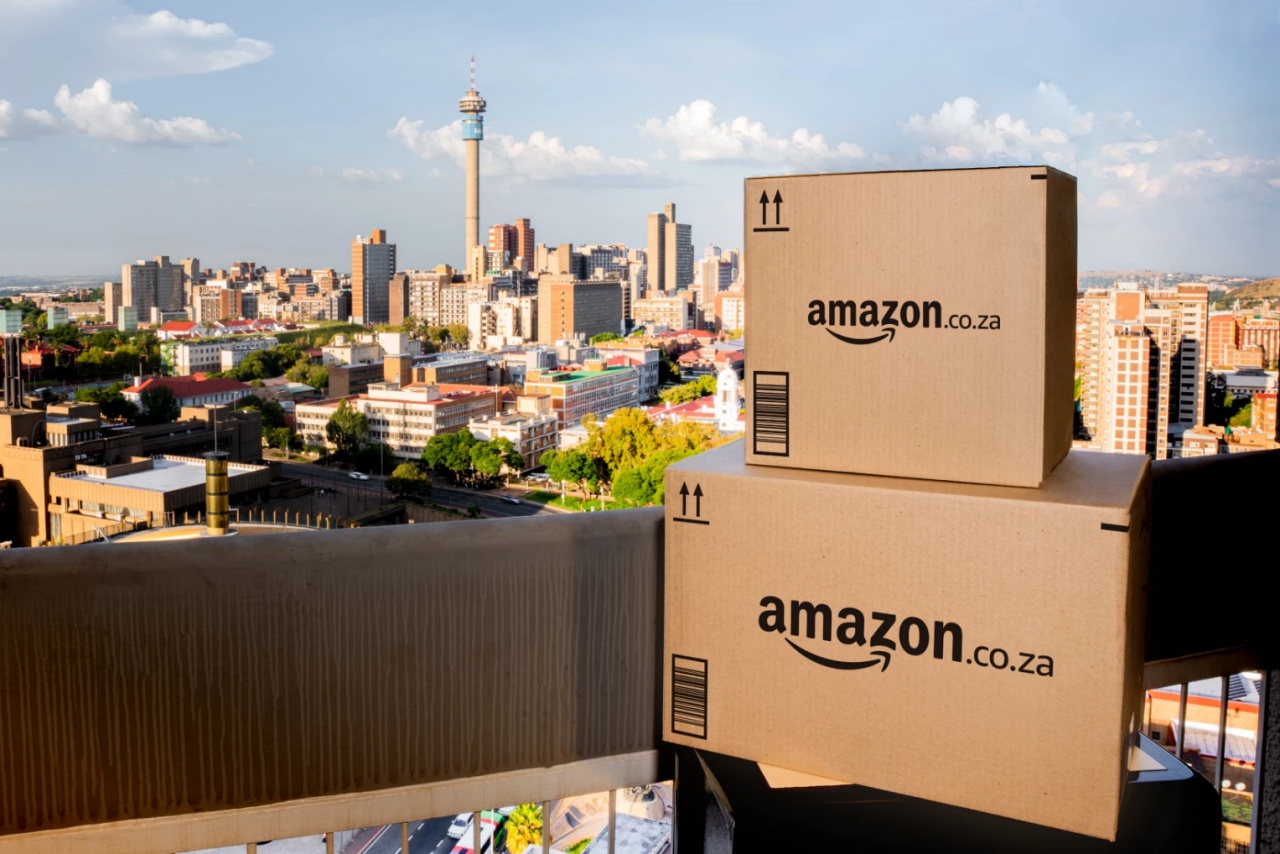
A union-aligned investment group has urged major U.S. corporations including Amazon, Walmart and Google-parent Alphabet to explain how President Donald Trump’s immigration policies are affecting their finances, workforce strategies and supply chains, according to documents reviewed by Reuters. The request highlights growing investor concern over labor availability, visa costs and long-term corporate performance amid tightening U.S. immigration rules.
The SOC Investment Group, which owns less than 1% of each company, sent letters asking executives to disclose how they plan to manage the impact of Trump’s proposed $100,000 fee for new H-1B visa approvals. Amazon, Walmart and Alphabet are among the largest recipients of H-1B visas, which allow companies to hire skilled foreign professionals, particularly in technology and engineering roles. SOC argues that access to global talent is essential for innovation, competitiveness and sustained growth.
“The availability of skilled labor is critical to a company’s long-term performance,” said SOC Executive Director Tejal Patel in comments to Reuters. She warned that difficulties in hiring qualified workers could limit companies’ ability to meet consumer demand and compete effectively, ultimately threatening shareholder value.
SOC is also pressing Amazon and Walmart to detail how Trump’s broader immigration enforcement actions, including farm raids, are affecting key supply chain sectors such as trucking and agriculture. These industries play a vital role in keeping supermarket shelves stocked, and labor shortages could increase costs and disrupt operations.
According to SOC, the group and affiliated funds own roughly 17 million shares of Walmart, 31 million shares of Amazon, and 41 million shares of Alphabet. While Google and Walmart did not immediately respond to media inquiries, Amazon declined to comment.
The scrutiny comes as changes to H-1B rules set to begin in September have fueled anxiety in major employment hubs like Silicon Valley and New York, where thousands of immigrants work in technology and finance. Lawmakers have already asked companies to provide detailed data on H-1B employees, amid concerns that stricter rules could push jobs overseas.
The letters also follow a recent Trump executive order aimed at regulating proxy advisory firms, potentially making it easier for companies to exclude shareholder proposals like SOC’s from proxy statements. Although SOC’s resolutions are advisory, measures receiving more than 30% shareholder support often prompt corporate action. SOC has indicated it may consider litigation if the companies refuse to include the proposals, underscoring the rising tension between investors, corporations and U.S. immigration policy.







