


 Dominican Republic Halts GoldQuest Mining Project Amid Environmental Protests
  U.S. Sanctions Former DR Congo President Joseph Kabila Over Rebel Support
  Judge Rules Use of Military Lawyers in Civilian Prosecutions Is Lawful
  Australia Launches Public Hearings on Bondi Beach Shooting and Rising Antisemitism
  Israel Expands Gaza Restricted Zones, Raising Concerns for Civilians and Aid Access
  Trump Administration Dismisses Entire National Science Board, Raising Concerns Over Scientific Independence
  Google Secures Pentagon AI Deal for Classified Projects
  Russia Accuses Ukraine of Ceasefire Violations Amid Drone and Artillery Attacks
  Judge Delays SEC Settlement With Elon Musk Over Twitter Stock Disclosure Case
  Brazil Pension Fund Crackdown After Banco Master Collapse Raises Investment Concerns
  US to Withdraw 5,000 Troops from Germany Amid Growing Rift with European Allies
  Iran Military Readiness Intensifies After Meeting With Mojtaba Khamenei
  CDC Monitors U.S. Travelers After Hantavirus Outbreak on Luxury Cruise Ship
  Rubio Presses Italy Over Iran Support as Tensions Test U.S.-Italy Alliance
  Russian LNG Shadow Fleet Expands Amid Arctic LNG 2 Sanctions
  Trump Administration Dismisses Entire National Science Board, Sparking Debate Over Scientific Independence
  Lula and Trump Talks Signal New Phase in Brazil-US Relations


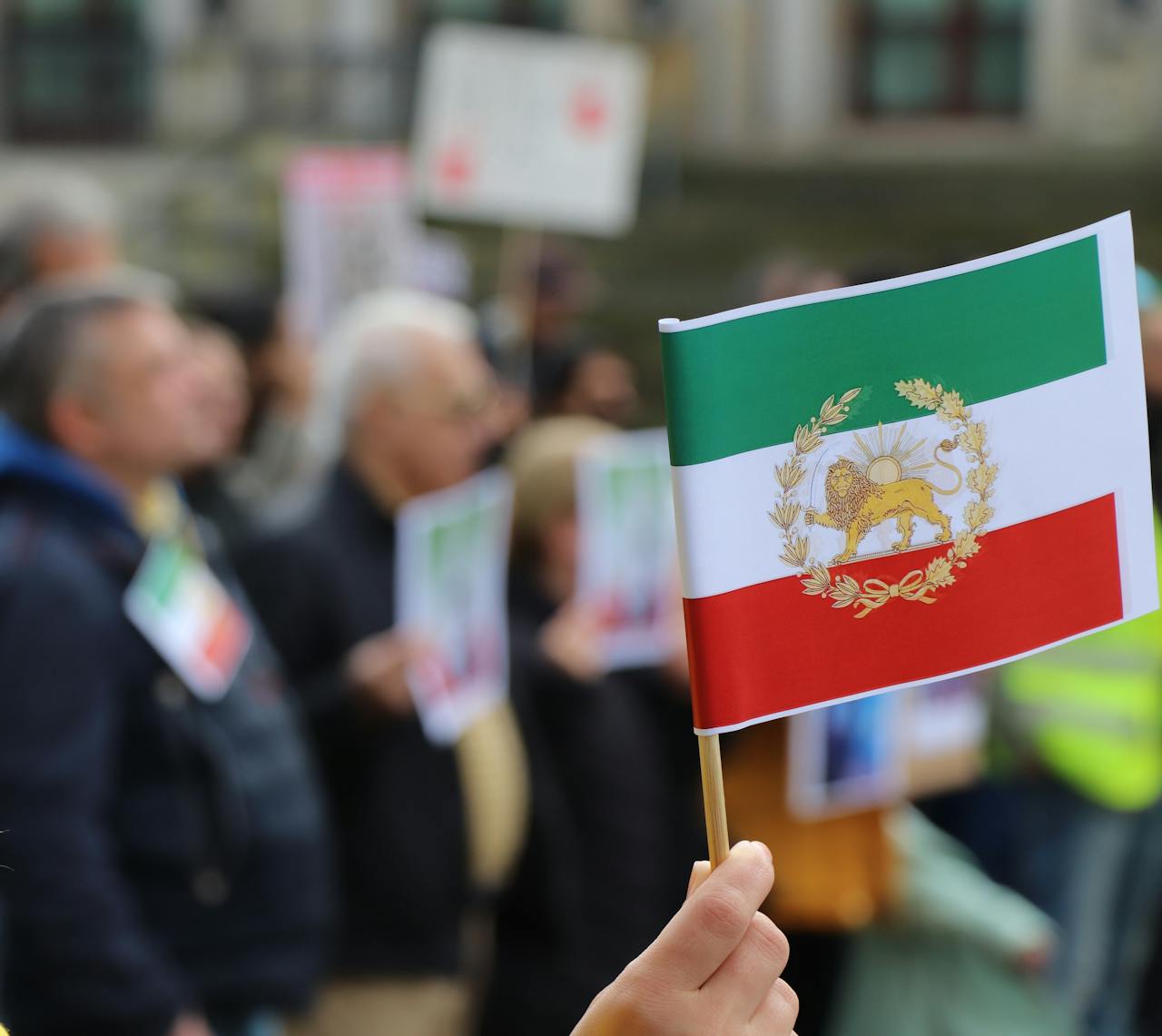
The United States has deported approximately 100 Iranian nationals back to Iran, according to a report by The New York Times. The deportation marks a rare direct transfer between the two countries and was confirmed by two senior Iranian officials engaged in negotiations, as well as a U.S. official with knowledge of the situation.
According to the report, a U.S.-chartered flight departed from Louisiana on Monday and was scheduled to arrive in Iran on Tuesday, making a stopover in Qatar. This development underscores the ongoing complexities of U.S.-Iran relations, particularly concerning migration and diplomatic exchanges.
While details about the identities of the deported Iranians and their reasons for attempting to enter or remain in the United States remain unclear, the move reflects heightened immigration enforcement. Neither the White House nor the U.S. State Department has commented publicly on the matter, despite requests for clarification from Reuters.
The deportations are significant because direct repatriations of Iranians from the United States are extremely rare. The two countries do not maintain formal diplomatic relations, which complicates matters of immigration and deportation. In most cases, deportations to Iran require coordination with third-party nations willing to facilitate transfers. Qatar played a critical role in this instance, serving as an intermediary stop on the flight route.
Observers note that these deportations may influence both diplomatic negotiations and humanitarian discussions between Washington and Tehran. The timing comes amid tense U.S.-Iran relations, which continue to be defined by disputes over sanctions, nuclear programs, and regional security concerns.
This deportation operation highlights the ongoing challenges faced by Iranian nationals seeking entry to the United States, as well as the broader geopolitical issues between the two nations. Analysts expect further updates once U.S. and Iranian officials provide additional details about the deportees and the future of such coordinated transfers.







