


 US Strikes Iran Again After Strait of Hormuz Tanker Attack Escalates Ceasefire Tensions
  Javier Milei Cabinet Chief Manuel Adorni Resigns Amid Spending Scandal Investigation
  Trump Urges Gasoline Retailers to Cut Prices to $2.50 Per Gallon, Warns of Legal Action
  Australia, Vanuatu Sign Security Pact Amid Pacific Influence Competition
  Taiwan Coast Guard Officer Finds Strength in Faith as China Increases Pressure in Taiwan Strait
  Sheinbaum Says No One Is Above the Law After Abuse Video of Ex-Pemex Chief Emerges
  Iran Skips U.S. Technical Talks Over Unmet MoU Conditions and Frozen Funds Dispute
  Maria Corina Machado Vows Return to Venezuela After Earthquakes Despite Obstacles
  US, Iran Agree to Halt Attacks Ahead of Doha Talks on Strait of Hormuz
  Despite its best efforts, Iran won’t be able to toll the Strait of Hormuz. Here’s why
  Serbia President Aleksandar Vucic to Resign, Calls Early Elections After Months of Protests
  Russian Attacks Kill Four in Ukraine as Zaporizhzhia and Kharkiv Come Under Fire
  Trump Questions Housing Bill as He Prioritizes SAVE America Act
  Ukraine Strikes Russian Titan-Barrikady Plant With Long-Range FP-5 Flamingo Missile
  Trump Signs Memorandum Backing Americans’ Right to Repair Their Own Vehicles


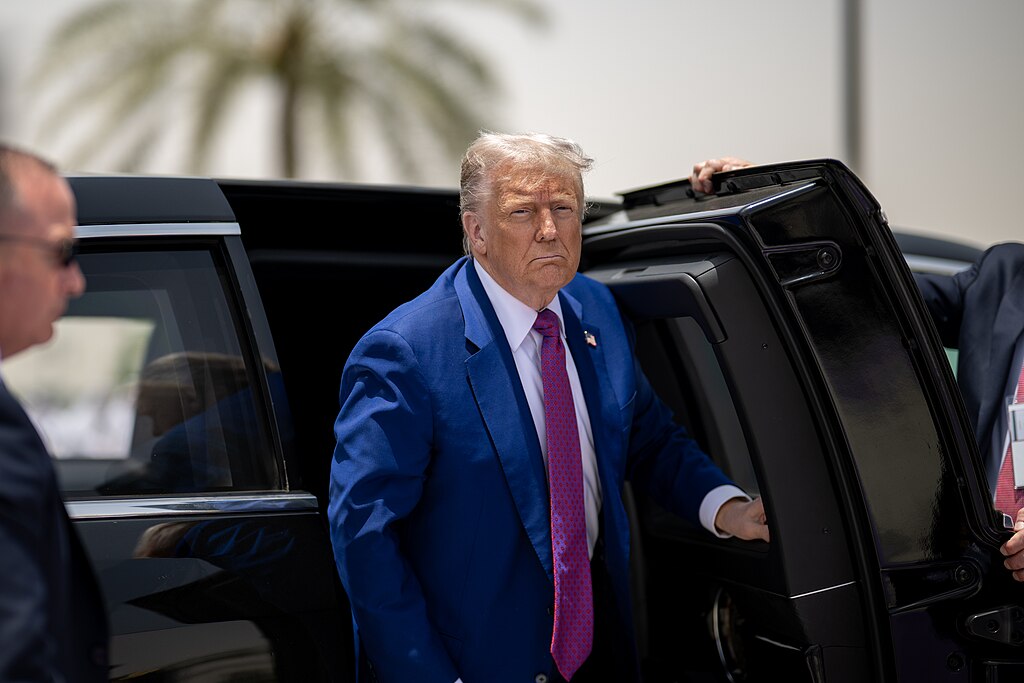
Global financial markets and world leaders are navigating a wave of cautious optimism mixed with uncertainty after President Donald Trump announced a breakthrough in U.S.-Iran negotiations, including what he described as Iran's agreement to fully reopen the strategically vital Strait of Hormuz.
The turbulence began Friday when Trump took to social media to claim Iran had consented to surrender its enriched uranium stockpile and unblock the strait — a waterway that facilitates roughly one-fifth of the world's crude oil supply. The announcement initially sparked hopes for lasting de-escalation following a conflict that erupted in late February. However, those hopes were quickly tempered by Iranian pushback. Lawmaker Mahmoud Nabavian denied the strait was "fully open," asserting that Iran would continue collecting tolls on commercial shipping — a position reinforced by state-aligned Iranian media.
Adding to the confusion were conflicting reports about the financial terms of a possible deal. Sources familiar with the negotiations suggested the U.S. offered Iran access to $20 billion in frozen assets in exchange for uranium concessions — a claim Trump later publicly denied. Analysts widely view Trump's conflicting declarations as a calculated pressure tactic designed to accelerate Tehran's decision-making toward a final agreement.
Despite the diplomatic fog, formal talks appear to be progressing. Senior U.S. officials indicated that Pakistan-mediated negotiations could resume as early as Monday, with Vice President JD Vance, Steve Witkoff, and Jared Kushner expected to lead the American delegation. French President Emmanuel Macron and British Prime Minister Keir Starmer have both called for measured expectations, stressing that any breakthrough must translate into durable, enforceable solutions before energy markets can confidently price in a peace premium.
The permanent administration of the Strait of Hormuz remains the central sticking point, with Gulf energy producers and major Asian and European consumers expressing alarm over any potential Iranian control of the passage. Trump has maintained that U.S. military pressure on Iranian ports will continue until a final agreement is signed.







