


 Supreme Court Backs Lisa Cook, Defends Federal Reserve Independence Against Trump Firing Attempt
  Trump Signs Memorandum Backing Americans’ Right to Repair Their Own Vehicles
  Trump Threatens 100% Tariffs on Countries Imposing Digital Services Taxes on U.S. Tech Firms
  Sheinbaum Says No One Is Above the Law After Abuse Video of Ex-Pemex Chief Emerges
  Trump Urges Gasoline Retailers to Cut Prices to $2.50 Per Gallon, Warns of Legal Action
  Russian Attacks on Dnipro, Zaporizhzhia, and Kharkiv Kill 10 as Ukraine Vows Response
  Serbia President Aleksandar Vucic to Resign, Calls Early Elections After Months of Protests
  Russian Attacks Kill Four in Ukraine as Zaporizhzhia and Kharkiv Come Under Fire
  Maria Corina Machado Vows Return to Venezuela After Earthquakes Despite Obstacles
  China Expands Export Controls, Adds 20 Japanese Companies to Restricted List
  Trump Questions Housing Bill as He Prioritizes SAVE America Act
  US, Iran Agree to Halt Attacks Ahead of Doha Talks on Strait of Hormuz
  Russia Intensifies Assault on Kostiantynivka as Ukraine’s Donetsk Defense Faces Mounting Pressure
  Ukraine Strikes Russian Titan-Barrikady Plant With Long-Range FP-5 Flamingo Missile
  Australia, Vanuatu Sign Security Pact Amid Pacific Influence Competition
  Iran Launches Drone Attack on Bahrain After U.S. Strikes, Strait of Hormuz Tensions Escalate
  Israeli Airstrike Kills Three in Central Gaza Despite Ceasefire


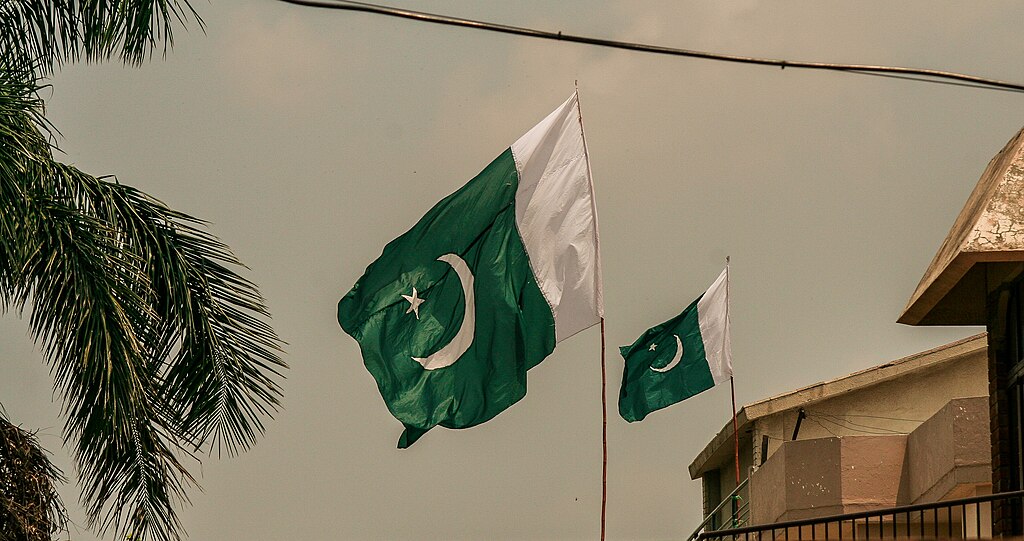
Pakistan has reportedly put a $1.5 billion arms deal with Sudan on hold after Saudi Arabia requested the agreement be terminated and declined to finance the purchase. According to Pakistani security and diplomatic sources, the decision highlights shifting geopolitical dynamics in the region and growing caution among key allies.
The proposed defense deal, which included the supply of military jets and weapons systems, was initially progressing toward completion earlier this year. It was reportedly brokered with Saudi involvement, although Riyadh’s financial backing had not been publicly confirmed at the time. Pakistan’s defense exports have gained increased global attention following heightened military activity with India, making such deals strategically significant for Islamabad.
Saudi Arabia, a long-standing ally of Pakistan, has played a crucial role in supporting the country’s economy through loans and financial assistance. The two nations strengthened ties further with a mutual defense pact signed last year. However, Saudi Arabia’s recent decision to withdraw funding signals a shift in its foreign policy approach, particularly regarding involvement in conflicts across Africa.
Sudan remains embroiled in a prolonged conflict between its national army and the paramilitary Rapid Support Forces (RSF), creating one of the world’s worst humanitarian crises. The ongoing violence has drawn international concern and increased competition among foreign powers, turning Sudan into a strategic hotspot due to its location and gold resources.
Sources indicate that Western nations have advised Saudi Arabia to avoid deeper involvement in proxy conflicts in Africa. A meeting in Riyadh in March between Sudanese military leaders and Saudi officials reportedly led to the final decision to halt financing for the arms deal.
Additionally, another major defense agreement between Pakistan and Libya’s National Army, valued at $4 billion, may also be at risk as Saudi Arabia reassesses its regional strategy. These developments underline the complex interplay of alliances and shifting priorities shaping defense and foreign policy decisions in the Middle East and beyond.







