


 White House Correspondents’ Dinner Shooting Raises New Security Concerns for U.S. Leaders
  Chinese Chip Stocks Surge on AI Boom and Domestic Tech Push
  U.S.-Iran Conflict Stalls as Diplomatic Efforts Collapse and Global Oil Tensions Rise
  Pope Leo Calls for Abolition of Death Penalty Amid U.S. Execution Policy Debate
  U.S. and EU Strengthen Critical Minerals Partnership to Reduce China Dependence
  Gold Prices Rise Slightly but Head for Weekly Loss Amid Oil Surge and Inflation Fears
  Dollar Weakens Amid Middle East Tensions and Anticipated Central Bank Decisions
  Asian Stock Markets Rally as Japan and South Korea Hit Record Highs Amid Oil Price Concerns
  U.S. Sanctions Target Chinese Refinery Over Iranian Oil Purchases
  Oil Prices Steady as U.S.-Iran Talks Ease Tensions Despite Strait of Hormuz Disruptions
  Wall Street Hits Record High as Tech Stocks Surge Amid U.S.-Iran Developments
  Oil Prices Surge Amid U.S.-Iran Tensions and Strait of Hormuz Supply Concerns
  U.S. Warns Allies Over Alleged Chinese AI IP Theft Linked to DeepSeek
  U.S.-Iran Tensions Escalate as Strait of Hormuz Crisis Disrupts Global Oil Markets
  Oil Price Forecasts Rise for 2026 as Middle East Supply Risks Persist
  ECB Rate Outlook: Ceasefire Eases Pressure but Hikes Still Expected in 2026


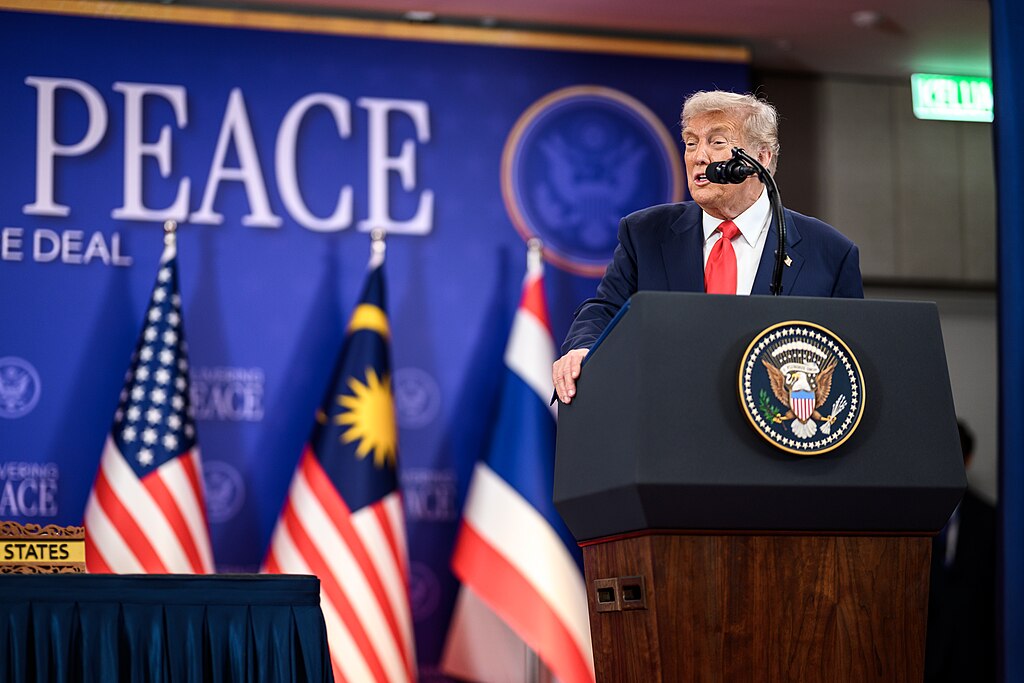
U.S.-Canada trade tensions have escalated after U.S. President Donald Trump threatened to impose a 100% tariff on all Canadian goods if Canada proceeds with closer trade cooperation with China. In a series of posts on Truth Social on Saturday, Trump warned that a deal with China would “endanger” Canada, claiming Beijing would “completely devour” the country’s economy, businesses, and social fabric.
Trump specifically accused Canadian Prime Minister Mark Carney of potentially allowing Canada to become a backdoor for Chinese goods to enter the United States and evade existing U.S. tariffs. Using inflammatory language, Trump said Canada would not be allowed to serve as a “drop-off port” for China and reiterated his opposition to any expansion of Chinese economic influence in North America.
Carney, who recently traveled to China to reset strained bilateral relations, has pushed back against the characterization of the agreement. Canadian officials clarified that Canada is not pursuing a full free trade deal with China, but rather resolving specific tariff-related issues with its second-largest trading partner after the United States. The Chinese embassy in Canada confirmed Beijing’s willingness to implement the consensus reached between the two governments.
In a video message to Canadians, Carney encouraged the public to support domestic products amid rising external economic pressure, without directly addressing Trump’s tariff threat. “We can’t control what other nations do,” Carney said, “but we can be our own best customer.”
Relations between the two leaders have deteriorated further following Carney’s criticism of Trump’s remarks about Greenland and his comments at the World Economic Forum in Davos, where he warned that the rules-based global order was eroding. Trump responded by claiming Canada “lives because of the United States,” a statement Carney firmly rejected.
If enacted, the proposed tariffs would significantly impact Canadian industries such as autos, metals, and machinery, increasing uncertainty for businesses on both sides of the border. While Trump has previously walked back similar threats during negotiations, the Canadian Chamber of Commerce urged both governments to quickly find common ground to prevent economic fallout and restore stability to the vital U.S.-Canada trade relationship.







