


 Dollar Slips Ahead of Key U.S. Jobs Data as Fed Rate Outlook, ECB, and Iran Talks Shape Forex Markets
  Global Financial Firms Shift Asia Expansion Focus to South Korea as China, India Face Caution
  US Dollar Slips After PCE Inflation Data as Fed Rate Hike Expectations Stay Elevated
  Asian Stocks End Strong Quarter as Dollar Surges, Yen Hits 40-Year Low Ahead of US Jobs Data
  Gold Price Falls as Fed Rate Hike Fears and U.S.-Iran Tensions Weigh on Bullion
  World Bank Approves $1.1 Billion Emergency Funding for Bangladesh Amid Food and Energy Price Pressures
  China Factory PMI Seen Returning to Growth in June as AI Export Demand Supports Economy
  Gold Price Hits Annual Low as Fed Rate Hike Bets and Sticky Inflation Weigh on Bullion
  China Expands Export Controls, Adds 20 Japanese Companies to Restricted List
  RBA Minutes Signal Australia Central Bank Remains Ready to Raise Interest Rates if Inflation Persists
  Asian Currencies Stay Range-Bound as Investors Eye China Data, RBNZ Outlook and U.S.-Iran Ceasefire
  Yen Falls to 40-Year Low as Markets Watch Japan Intervention and U.S. Jobs Report
  Central Banks Eye Gold, Reduce Dollar Exposure as AI Adoption Accelerates: OMFIF Survey
  US Stock Futures Steady as Investors Await Payrolls Data and Monitor Iran Tensions
  Oil Prices Rise as US-Iran Tensions Threaten Strait of Hormuz Oil Shipments
  China Sets 1.25% Overnight Reverse Repo Rate Below Market Expectations
  Trump Urges Gasoline Retailers to Cut Prices to $2.50 Per Gallon, Warns of Legal Action


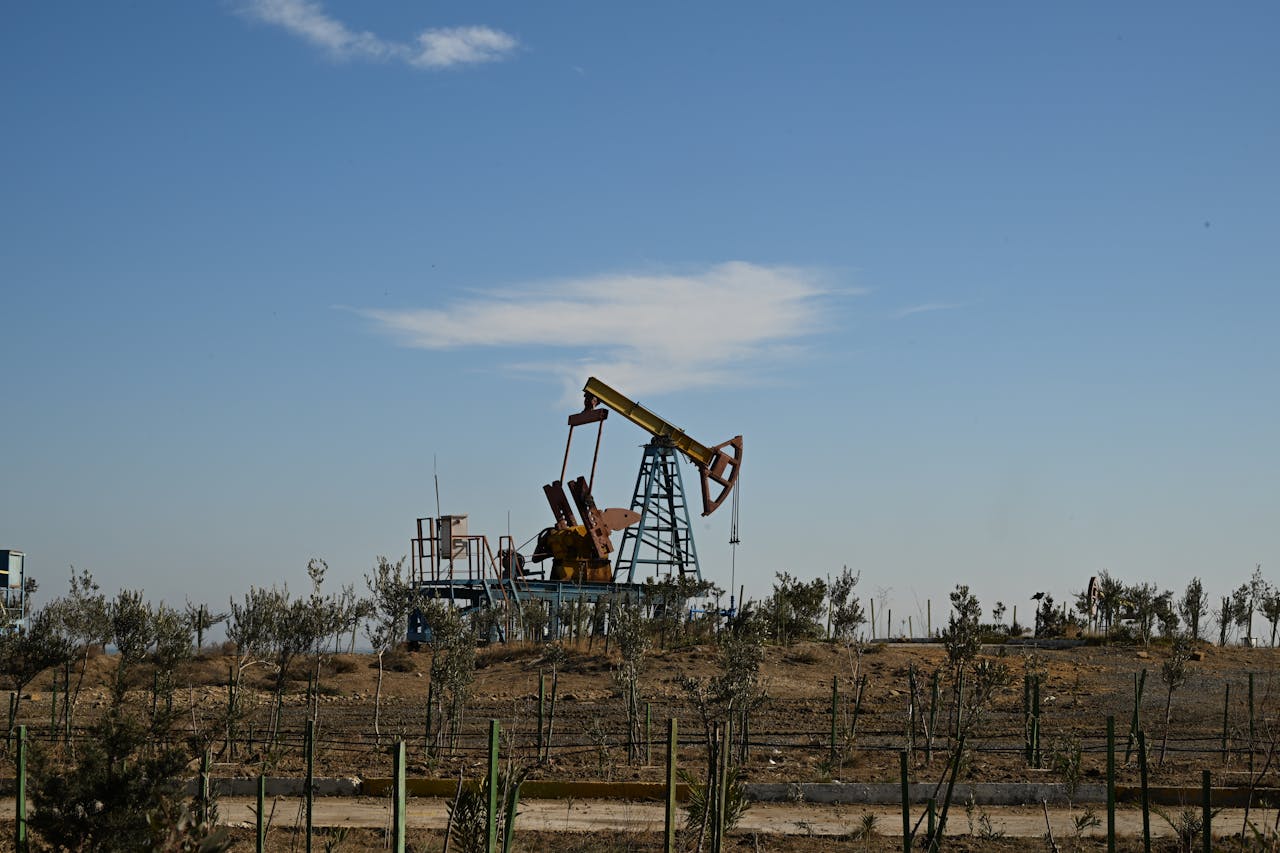
Oil prices climbed sharply during early Asian trading on Monday, building on strong gains from the previous week as geopolitical tensions between the United States and Iran showed little sign of easing. The lack of progress toward peace negotiations and continued disruptions in the Strait of Hormuz have heightened concerns over global crude supply, driving market volatility.
Brent crude futures jumped more than 2%, reaching $107.48 per barrel by late evening trading. The surge reflects growing anxiety among investors as supply routes remain constrained. The Strait of Hormuz, a critical artery for global energy transportation, has seen limited oil flows, intensifying fears of prolonged supply shortages. This key shipping lane typically handles nearly 20% of the world’s crude oil, making any disruption highly impactful on global markets.
Recent political developments have further fueled uncertainty. U.S. President Donald Trump canceled a planned diplomatic trip to Pakistan aimed at facilitating discussions with Iranian officials. The move followed the departure of Iranian representatives from Islamabad, signaling a continued deadlock in negotiations. Despite an earlier ceasefire extension announced in April, tensions between Washington and Tehran remain elevated.
Compounding the situation, the U.S. has maintained a naval blockade against Iran, while Tehran continues to restrict access through the Strait of Hormuz. These actions have significantly reduced oil shipments since late February, tightening global supply and pushing prices higher. Additionally, U.S. Treasury Secretary Scott Bessent confirmed that Washington will not renew waivers that previously allowed the purchase of Russian and Iranian oil shipments currently at sea. This decision removes a temporary buffer that had helped offset supply disruptions.
As geopolitical risks persist and supply constraints remain unresolved, oil markets are expected to stay volatile. Investors are closely monitoring developments in the Middle East, as any escalation or breakthrough in U.S.-Iran relations could significantly influence crude oil prices in the coming weeks.







