


 Judge Delays SEC Settlement With Elon Musk Over Twitter Stock Disclosure Case
  Mexico President Claudia Sheinbaum Reconsiders Early School Closure Plan Ahead of 2026 World Cup
  Russian LNG Shadow Fleet Expands Amid Arctic LNG 2 Sanctions
  Panama Defends Port Takeover Amid U.S.-China Tensions and Canal Dispute
  US Sanctions Target Iran’s Shadow Banking Network and Terror Financing
  Pope Leo Calls for Peace as Vatican Seeks Better Ties With U.S.
  CDC Monitors U.S. Travelers After Hantavirus Outbreak on Luxury Cruise Ship
  Dominican Republic Halts GoldQuest Mining Project Amid Environmental Protests
  UN Experts Condemn Trump’s Cuba Fuel Blockade Amid Deepening Energy Crisis
  Australia’s Wealthy Donors Shift Support to One Nation Amid Conservative Party Decline
  Trump Administration Dismisses Entire National Science Board, Raising Concerns Over Scientific Independence
  Lula and Trump Talks Signal New Phase in Brazil-US Relations
  Trump Inspects Lincoln Memorial Reflecting Pool Renovation in Washington
  Ghana Rejects U.S. Health Deal Over Data Sharing Concerns Amid Foreign Aid Shift
  White House Withdraws Trump’s National Park Service Nominee Amid Criticism
  Medicare to Cover GLP-1 Weight-Loss and Diabetes Drugs Starting July 1
  US Adds European Union to Section 301 Watchlist Amid Trade Concerns


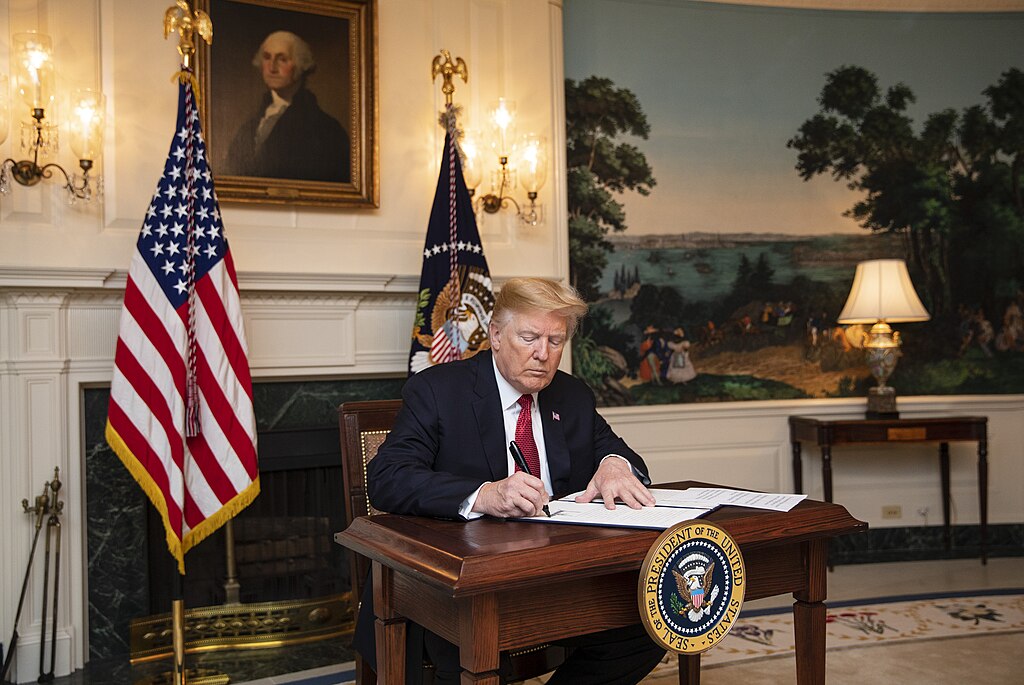
U.S. President Donald Trump signed an executive order on Monday aimed at slashing prescription drug prices by aligning them with international rates. The move directs pharmaceutical companies to meet government-set pricing targets within 30 days or face further regulatory action, including possible tariffs and rulemaking to enforce price reductions.
Trump cited a personal anecdote of a weight-loss drug costing $88 in London versus $1,300 in the U.S. as a motivator. The U.S. continues to pay the highest prices for medications globally—nearly three times more than other developed nations. Trump emphasized that Americans should pay no more than patients in other countries, echoing his long-standing campaign promise to fight inflation and reduce consumer costs.
The order proposes allowing direct-to-consumer drug imports and explores export restrictions for pharmaceutical ingredients contributing to domestic price gaps. It also instructs the Federal Trade Commission to crack down on anti-competitive practices in the industry, such as pay-for-delay deals that prevent cheaper generics from entering the market.
Despite initial investor concerns, the pharmaceutical sector rebounded, with shares of major drugmakers like Pfizer, Merck, and Gilead Sciences climbing after the order’s announcement. Analysts and legal experts noted the plan lacks detailed implementation strategies and is likely to face legal challenges over its scope, particularly regarding drug imports and international price benchmarking.
Industry trade group PhRMA criticized the move, calling it a threat to innovation and warning it could reduce investment in new treatments. Still, the administration insists the order is a bold step toward fair drug pricing and consumer relief.
As legal battles loom, the effectiveness of the order will hinge on its enforcement—and whether it survives scrutiny from both courts and powerful industry players.







