


 Australia Launches Public Hearings on Bondi Beach Shooting and Rising Antisemitism
  Google Secures Pentagon AI Deal for Classified Projects
  New York Moves to Ban Masked Law Enforcement During Immigration Operations
  FEMA Reinstates Employees After Dissent Letter, Signaling Shift in Workforce Stability
  Rubio Presses Italy Over Iran Support as Tensions Test U.S.-Italy Alliance
  Trump Administration Dismisses Entire National Science Board, Sparking Debate Over Scientific Independence
  White House Withdraws Trump’s National Park Service Nominee Amid Criticism
  Pope Leo Calls for Peace as Vatican Seeks Better Ties With U.S.
  Medicare to Cover GLP-1 Weight-Loss and Diabetes Drugs Starting July 1
  Trump Inspects Lincoln Memorial Reflecting Pool Renovation in Washington
  US Adds European Union to Section 301 Watchlist Amid Trade Concerns
  Rubio Approves $25.8 Billion Weapons Sale to Middle East Allies
  Judge Rules Use of Military Lawyers in Civilian Prosecutions Is Lawful
  U.S. Budget Airlines Seek $2.5 Billion Government Aid Amid Rising Jet Fuel Costs
  US Launches Retaliatory Strikes on Iran Amid Rising Strait of Hormuz Tensions
  Panama Defends Port Takeover Amid U.S.-China Tensions and Canal Dispute
  Judge Delays SEC Settlement With Elon Musk Over Twitter Stock Disclosure Case


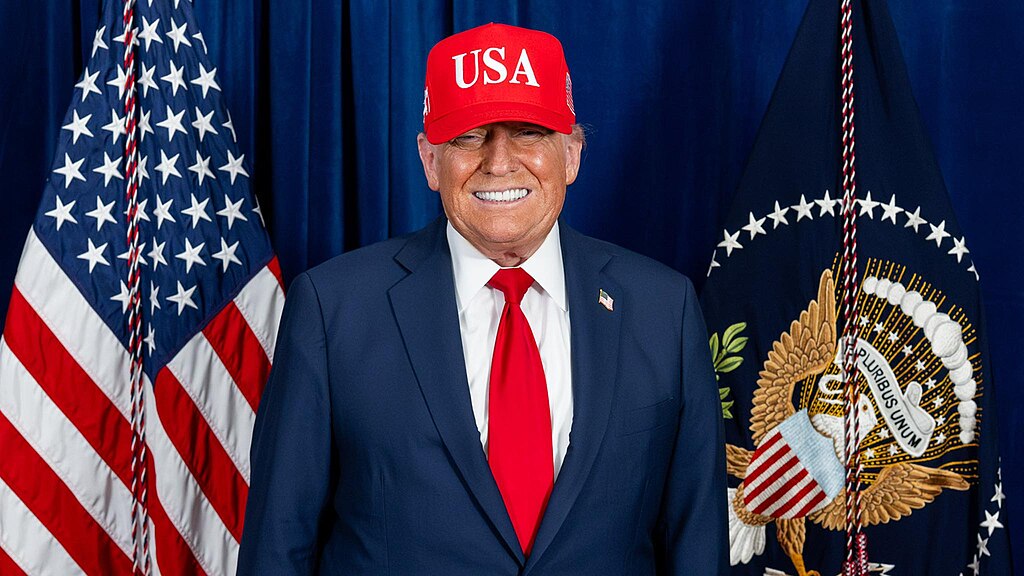
U.S. President Donald Trump announced late Friday that he is immediately ending Temporary Protected Status (TPS) protections for Somali nationals living in Minnesota, abruptly accelerating the termination of a program that began in 1991 under President George H.W. Bush. In a post on Truth Social, Trump claimed—without offering evidence—that Somali gangs were destabilizing Minnesota and that “billions of dollars are missing,” allegations that quickly drew criticism from state and federal officials.
Trump described Minnesota as a “hub of fraudulent money laundering activity” under Democratic Governor Tim Walz, referencing unverified media reports shared by several Republican lawmakers suggesting that the Somali militant group Al-Shabaab indirectly benefited from fraud schemes in the state. Walz responded on X, saying Trump’s decision was another example of targeting an entire community to distract from larger national issues. Minnesota Senator Amy Klobuchar echoed the criticism, saying the president should focus on economic concerns instead of threatening residents with legal immigration status.
The TPS program for Somalia was created to protect eligible individuals who could not safely return home due to civil war and instability. Although the Biden administration extended Somali TPS through March 17, 2026, Trump’s announcement overrides that extension. Official data from the Congressional Research Service shows that only 705 Somali-born individuals nationwide currently hold TPS status, compared with far larger groups like the 330,000 Haitians and 170,000 Salvadorans protected under the same program. Most Somalis in Minnesota are U.S. citizens and are unaffected by the order.
Community leaders expressed deep concern. Jaylani Hussein of the Council on American-Islamic Relations (CAIR) in Minnesota emphasized that those with TPS are legal immigrants who have followed all requirements and now face the risk of family separation. Meanwhile, Abshir Omar, a political strategist and Trump supporter during the 2024 election, predicted immediate legal challenges and warned that the move could strain U.S.–Somalia relations at a time when Somalia has offered significant strategic cooperation, including access to key air bases and port facilities.







