


 US Adds European Union to Section 301 Watchlist Amid Trade Concerns
  U.S. Flags Vietnam as “Priority Foreign Country” Over Intellectual Property Concerns
  U.S. Fast-Tracks $8.6 Billion Arms Sales to Middle East Allies Amid Rising Tensions
  Trump Inspects Lincoln Memorial Reflecting Pool Renovation in Washington
  Israel’s Secret Iraq Base Allegedly Supported Iran Air Campaign, WSJ Reports
  Rubio Presses Italy Over Iran Support as Tensions Test U.S.-Italy Alliance
  US Sanctions Target Iran’s Shadow Banking Network and Terror Financing
  Ghana Rejects U.S. Health Deal Over Data Sharing Concerns Amid Foreign Aid Shift
  Australia’s Wealthy Donors Shift Support to One Nation Amid Conservative Party Decline
  Judge Rules DOGE Humanities Grant Cuts Unconstitutional
  Australia Launches Public Hearings on Bondi Beach Shooting and Rising Antisemitism
  Malaysia Unveils Energy Security Plan Amid Iran Conflict and Rising Oil Costs
  Vietnam Plans AI-Driven Propaganda Push With Influencers and Podcasts
  Israeli Strikes in Gaza Kill Three as Ceasefire Tensions Continue
  TikTok Nears $400 Million Settlement With Trump Administration Over Child Privacy Lawsuit
  U.S., South Korea Launch Shipbuilding Partnership Initiative
  Germany Rejects Putin’s Proposal for Schroeder to Mediate Ukraine Peace Talks


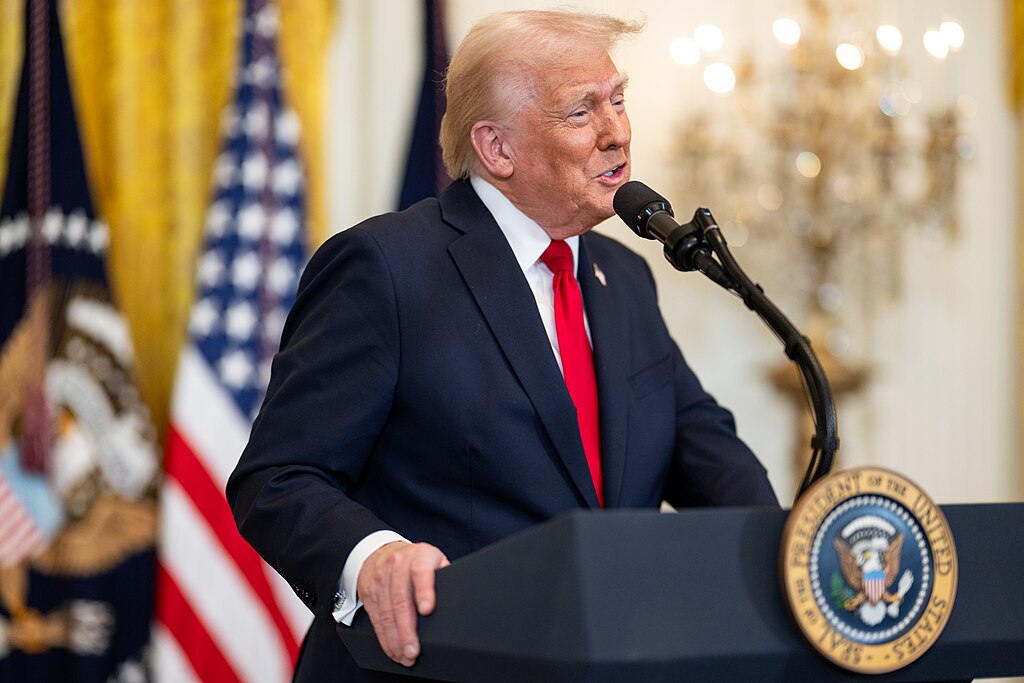
U.S. President Donald Trump’s new travel ban, set to take effect at 12:01 a.m. ET on Monday, prohibits entry from 12 countries, citing national security concerns. The executive order blocks travelers from Afghanistan, Myanmar, Chad, Republic of the Congo, Equatorial Guinea, Eritrea, Haiti, Iran, Libya, Somalia, Sudan, and Yemen. Citizens from seven additional nations, including Cuba, Venezuela, and Laos, will face partial restrictions.
The White House claims the affected countries either harbor terrorist threats, lack reliable identity verification systems, or fail to share critical criminal data. Trump pointed to a recent attack in Boulder, Colorado — where an Egyptian national threw a gasoline bomb into a pro-Israel crowd — as justification. Notably, Egypt is not included in the ban.
This policy echoes Trump’s earlier travel ban during his first term, which targeted several Muslim-majority nations and sparked widespread controversy. Critics argue the latest measure unfairly targets vulnerable populations, particularly asylum seekers. Representative Ro Khanna called the policy "draconian and unconstitutional," emphasizing the right to seek refuge.
Affected countries have begun responding. Chad’s President Mahamat Idriss Deby Itno announced a visa ban on U.S. citizens, expressing defiance and national pride. Meanwhile, Afghans who aided U.S. forces fear being forced back to Taliban-controlled regions, potentially facing severe retaliation.
The ban underscores Trump’s broader stance on restricting immigration, intensifying debate ahead of the 2026 election cycle. Human rights advocates and Democratic lawmakers have pledged to challenge the policy, warning of its humanitarian and diplomatic fallout.
The move is expected to spark legal and political challenges, while deepening divisions over U.S. immigration policy. As implementation begins, its impact on global mobility, international relations, and human rights remains under close scrutiny.







