


 Dollar Near 18-Month High as Euro, Yen and Pound Weaken
  US Treasury Yields Ease After Strong 10-Year Auction as Global Bonds Struggle
  Deere, CNH and AGCO Stocks Fall as FTC Launches Farm Equipment Probe
  Bangladesh GDP Growth Accelerates to 4.6% on Industrial Rebound
  Gold Prices Fall as Fed Signals Another Rate Hike
  Gold Prices Fall as Stronger Dollar Weighs on Bullion
  S&P 500 Hits Record High as AI Rally Lifts Wall Street
  Iran Tanker Attacks Surge as Hormuz Oil Flows Near Prewar Levels
  Oil Prices Rise as Hormuz Attacks Fuel Supply Fears
  Indian Stocks Fall as RBI Hikes Rates to 5.50%
  Oil Prices Rise as Hormuz Risks Offset IEA Stock Release
  Iran Refuses to Halt Uranium Enrichment Amid US Nuclear Demands
  Oil Prices Rise as Gulf Hurricane and Middle East Supply Risks Mount
  Asian Currencies Mixed as Yen Weakens, Dollar Holds Firm
  Wall Street Falls as Oil Prices Rise and Tech Stocks Slide
  France to Release 10 Million Barrels of Diesel to Ease Fuel Prices
  UK House Prices Flat in September as Mortgage Rates Weigh


 Add as a preferred source on Google
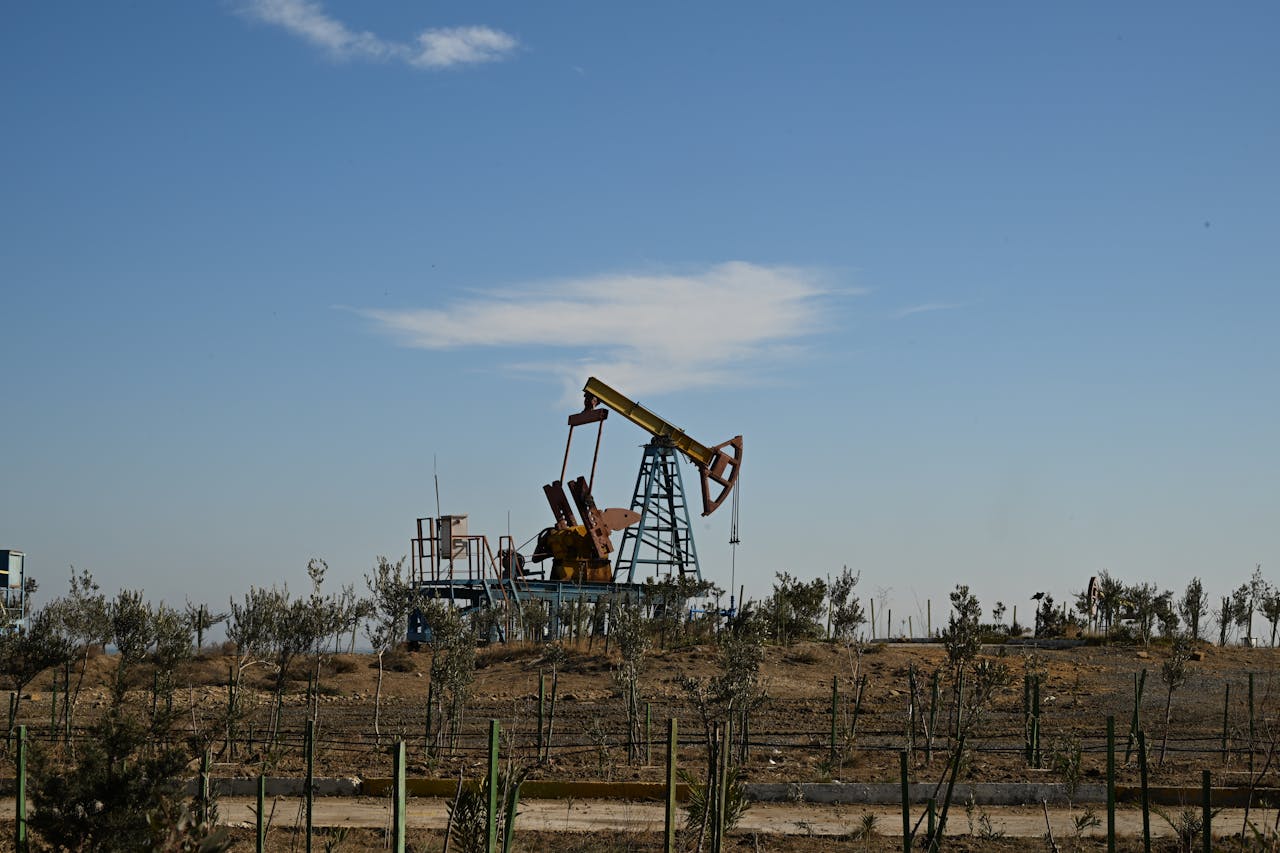
Oil prices reduced earlier gains on Thursday after U.S. President Donald Trump announced that Washington would not launch military strikes against Iran before the November 3 midterm elections, easing concerns over further disruptions to global crude supplies.
Brent crude futures for December delivery rose 3.9% to $104.10 per barrel at 12:36 ET (16:36 GMT), retreating from an earlier surge of more than 5%. U.S. West Texas Intermediate (WTI) crude futures for November delivery climbed 3.6% to $91.42 per barrel.
The pullback followed Trump's statement on Truth Social that the United States was holding productive discussions with Iran. He emphasized that Washington would maintain its blockade but would refrain from attacking Iran before the elections.
Earlier reports suggested the Trump administration was considering renewed military action against Tehran, raising fears of additional supply disruptions in the Middle East.
Tensions remain elevated around the Strait of Hormuz, a critical shipping route for global oil supplies. According to Reuters, citing Kpler shipping data, vessel traffic through the waterway dropped to its lowest level in more than two months following intensified Iranian attacks on commercial tankers.
The United Kingdom Maritime Trade Operations agency reported Wednesday that a tanker north of Qatar was struck by multiple projectiles, resulting in casualties. Iranian attacks on shipping reportedly reached their highest weekly level since the U.S.-Iran conflict began.
Meanwhile, renewed hostilities involving Yemen's Iran-backed Houthis have heightened concerns about Red Sea shipping and Saudi Arabian oil exports.
Oil prices also received support from potential production disruptions along the U.S. Gulf Coast as Hurricane Isaias approached. Energy companies, including BP, Chevron and Shell, began evacuating nonessential offshore personnel ahead of expected severe weather.
A Reuters-cited forecast estimated that the storm could disrupt as much as 11.2 million barrels of Gulf oil production.
Adding to bullish sentiment, U.S. crude inventories declined by 3.2 million barrels during the week ending October 2, compared with expectations for an increase.
However, the International Energy Agency's efforts to accelerate strategic oil reserve releases could provide additional supply and limit price increases.
Persistently elevated energy prices are also fueling inflation concerns, potentially prompting central banks to tighten monetary policy. Deutsche Bank analysts warned that energy-driven inflationary pressures showed limited signs of easing.







