


 Brazil Pension Fund Crackdown After Banco Master Collapse Raises Investment Concerns
  FEMA Reinstates Employees After Dissent Letter, Signaling Shift in Workforce Stability
  Russia Accuses Ukraine of Ceasefire Violations Amid Drone and Artillery Attacks
  US to Withdraw 5,000 Troops from Germany Amid Growing Rift with European Allies
  Qatar LNG Tanker Crosses Strait of Hormuz Amid Iran War Tensions
  Judge Rules Use of Military Lawyers in Civilian Prosecutions Is Lawful
  Malaysia Unveils Energy Security Plan Amid Iran Conflict and Rising Oil Costs
  US Sanctions Target Iran’s Shadow Banking Network and Terror Financing
  Judge Rules DOGE Humanities Grant Cuts Unconstitutional
  Australia Targets Meta, Google, and TikTok With New News Payment Tax Proposal
  New York Moves to Ban Masked Law Enforcement During Immigration Operations
  Ukraine-Russia Ceasefire Confirmed as Prisoner Swap Deal Advances
  China Banks Halt New Loans to Sanctioned Refineries Amid U.S.-Iran Oil Crackdown
  Israeli Strikes in Gaza Kill Three as Ceasefire Tensions Continue
  Senate Stablecoin Bill Sparks Clash Between Banks and Crypto Industry
  Trump Reportedly Approves Plan to Remove FDA Commissioner Marty Makary Amid Growing Controversies
  U.S. Sanctions Former DR Congo President Joseph Kabila Over Rebel Support


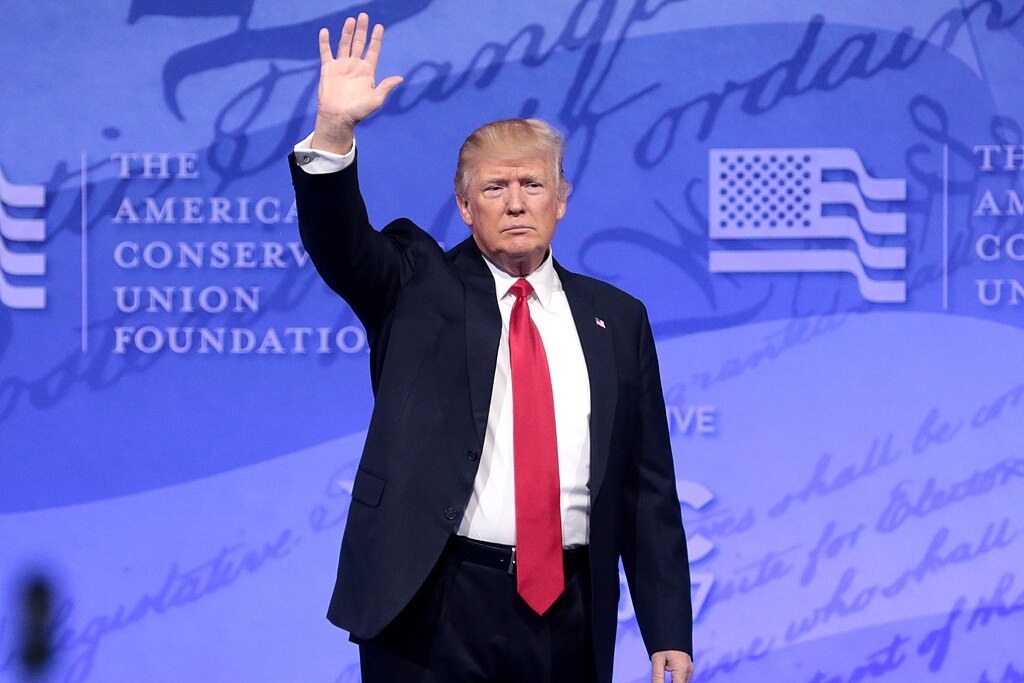
The Trump administration has formally asked the U.S. Supreme Court to review the constitutionality of President Donald Trump’s executive order aimed at ending birthright citizenship, according to a report from CNN. The controversial order, issued on January 20—the same day Trump returned to office—seeks to restrict automatic citizenship for children born in the United States unless at least one parent is an American citizen or a lawful permanent resident holding a green card.
Birthright citizenship has long been a cornerstone of U.S. immigration policy, rooted in the 14th Amendment, which grants citizenship to “all persons born or naturalized in the United States.” Trump’s executive order challenges this interpretation by directing federal agencies not to recognize the citizenship of U.S.-born children of undocumented immigrants or foreign nationals without legal status.
Supporters of the executive order argue that it addresses what they describe as abuses of the immigration system, claiming that birthright citizenship encourages “birth tourism” and creates unfair advantages for undocumented families. Critics, however, strongly oppose the move, arguing that it is unconstitutional and discriminatory. Immigration advocates warn that if the order is upheld, it could strip citizenship from thousands of U.S.-born children, creating stateless individuals and legal chaos.
The administration’s petition to the Supreme Court escalates an already heated legal battle, as lower courts are expected to weigh in before the nation’s highest court potentially makes a landmark ruling. Legal experts say the case could reshape immigration law and redefine the scope of the 14th Amendment in ways unseen for over a century.
As the debate continues, the issue of birthright citizenship remains one of the most divisive topics in American immigration policy. With the Supreme Court’s involvement, the future of this constitutional guarantee now hangs in the balance, making it a pivotal case with far-reaching consequences for families, immigrants, and the nation’s legal framework.







