


 US Stock Futures Dip After Wall Street Rally
  Asian Stocks Rise After Fed Rate Hike
  US Delegation Visits Myanmar, Secures Release of American Adam Castillo
  Trump Hopes Iran War Nears End as Yemen Fighting Escalates
  US Allies Fear Trump Could Soften Taiwan Stance in Xi Talks
  Vietnam, U.S. Firms Plan 29 Deals Across Energy, Tech and Aviation
  Gold Rebounds Above $4,300 Despite Hawkish Fed Rate Hike
  BOJ Set for 25-Basis-Point Rate Hike as Yen Weakness Fuels Inflation
  Asian Stocks Rise as Oil Falls, BOJ Rate Decision in Focus
  Asian Gold Stocks Rise as Bullion Rebounds on Softer Dollar
  Pentagon Restarts Testosterone Testing for US Troops
  UN Allows Mahmoud Abbas Video Address After US Visa Denial
  France Urges Faster AI Push Despite Safety Risks
  Oil Prices Fall as Saudi Supply Improves, Middle East Fears Ease
  South Korea Producer Prices Rise 0.2% in August
  US Officials Meet Houthis in Oman Amid Yemen Offensive


 Add as a preferred source on Google
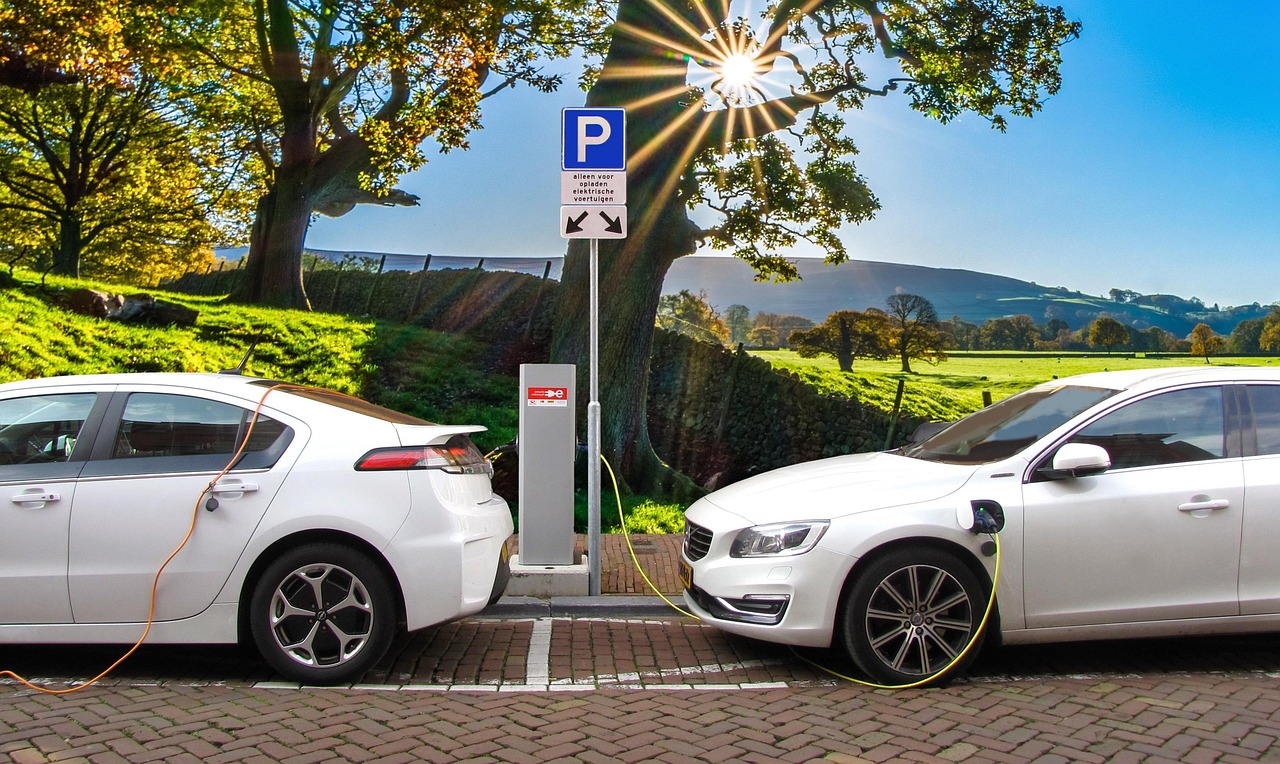
Senior officials from the Trump administration are promoting major changes to U.S. auto policy, arguing that rolling back vehicle emissions regulations will help lower car prices and address affordability concerns for American consumers. Transportation Secretary Sean Duffy, Environmental Protection Agency Administrator Lee Zeldin, and U.S. Trade Representative Jamieson Greer highlighted these efforts during a visit to the Detroit Auto Show, following tours of major auto manufacturing plants in Ohio.
The administration has reversed several electric vehicle and emissions policies introduced under former President Joe Biden, positioning the changes as a response to rising vehicle costs and consumer demand. Duffy stated that easing emissions regulations would allow automakers to build vehicles Americans prefer, including gasoline-powered cars and trucks, without government mandates favoring electric vehicles. He emphasized that the policy shift is not intended to undermine EVs but to create a level playing field between electric and combustion-engine vehicles.
Vehicle affordability has become a critical issue as inflation remains a top concern ahead of the midterm elections. According to Cox Automotive, average new vehicle transaction prices reached a record $50,326 in December, driven largely by higher-priced SUVs and trucks and a shrinking number of entry-level models. In response, President Donald Trump previously signed legislation eliminating the $7,500 EV tax credit, overturning California’s EV mandates, and removing penalties tied to fuel efficiency standards.
Despite concerns over new tariffs on imported vehicles and auto parts, U.S. vehicle sales rose 2.4% in 2025 to 16.2 million units. Greer argued that tariffs have not significantly impacted consumer prices and claimed overall car prices are trending downward.
Critics, including environmental groups and Democrats, argue the policy changes will increase fuel costs and benefit the oil industry while undermining clean vehicle adoption. The Department of Transportation estimates its proposed rollback of fuel efficiency standards could lower upfront vehicle prices by about $930 but significantly increase fuel consumption and long-term fuel costs for Americans through 2050.
As the administration prepares to finalize new emissions rules, the debate over auto prices, emissions regulations, and consumer choice continues to intensify.







