


 Dollar Slips Ahead of Key U.S. Jobs Data as Fed Rate Outlook, ECB, and Iran Talks Shape Forex Markets
  Gold Prices Drop as Fed Rate Outlook and Iran Tensions Weigh on Market
  Gold Price Ends Lower for Fourth Week Despite Rebound as Fed Rate Hike Bets Strengthen
  World Bank Approves $1.1 Billion Emergency Funding for Bangladesh Amid Food and Energy Price Pressures
  China Manufacturing PMI Edges Higher in June as Exports and AI Investment Boost Growth
  Economic pessimism has set in – but there are reasons for Australians to be hopeful
  Oil Prices Rise as US-Iran Tensions Threaten Strait of Hormuz Oil Shipments
  Japan Targets 1%+ Real Economic Growth With ¥370 Trillion Investment Plan
  Trump Threatens 100% Tariffs on Countries Imposing Digital Services Taxes on U.S. Tech Firms
  Argentina Economy Shrinks 1.5% in April, Recovery Under Milei Loses Momentum
  Gold Price Falls as Fed Rate Hike Fears and U.S.-Iran Tensions Weigh on Bullion
  US Stock Futures Steady as Investors Await Payrolls Data and Monitor Iran Tensions
  China Expands Export Controls, Adds 20 Japanese Companies to Restricted List
  Trump Urges Gasoline Retailers to Cut Prices to $2.50 Per Gallon, Warns of Legal Action
  Asian Stocks End Strong Quarter as Dollar Surges, Yen Hits 40-Year Low Ahead of US Jobs Data
  Canada Grants C$7 Million to Greenland Molybdenum Mine to Strengthen Critical Minerals Supply
  Trump Questions Housing Bill as He Prioritizes SAVE America Act


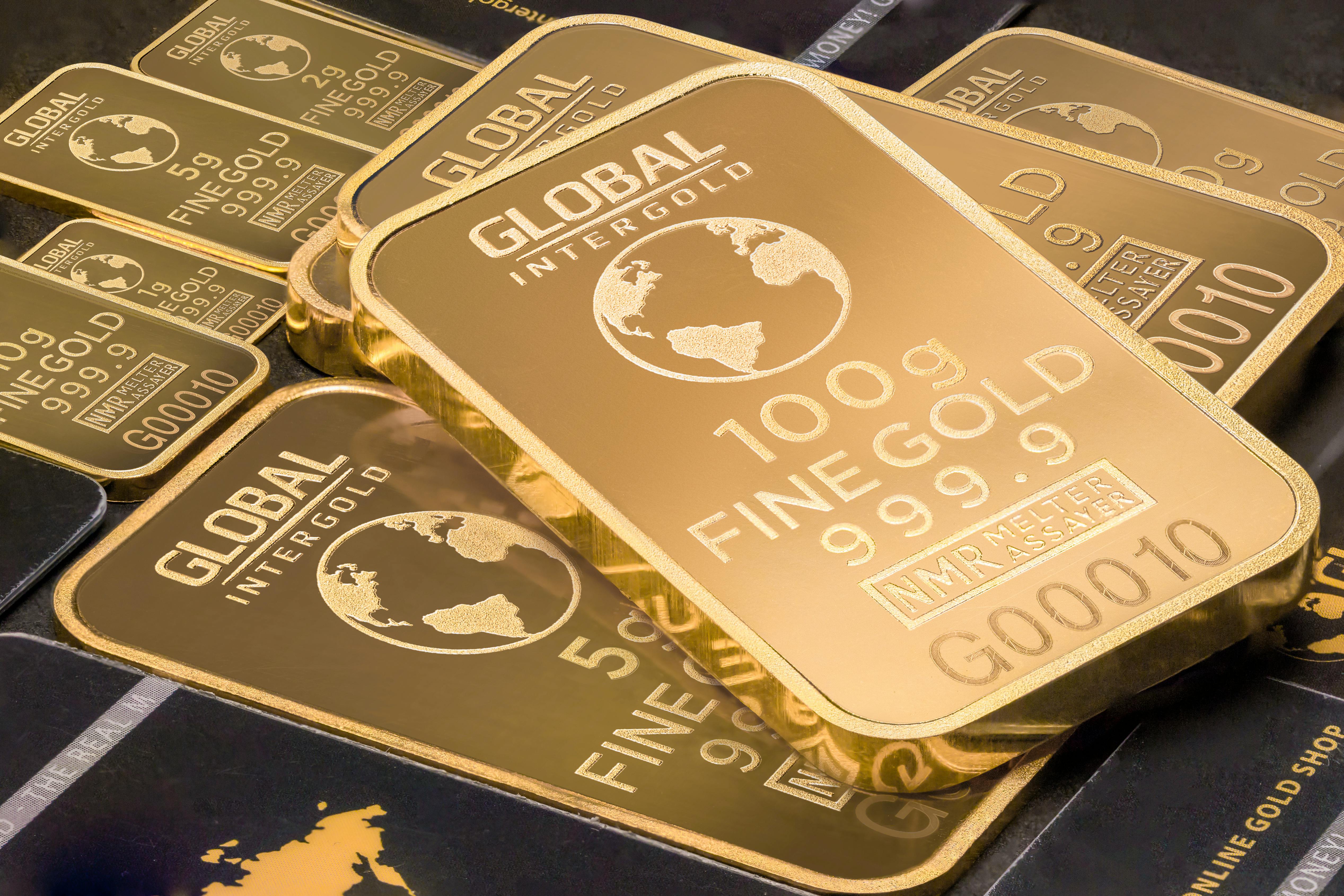
Gold prices remained relatively stable during Asian trading on Monday, as ongoing geopolitical tensions in the Middle East and uncertainty surrounding global interest rates continued to influence market sentiment. Despite its traditional role as a safe-haven asset, gold has struggled to gain momentum, recording losses over the past two months due to rising inflation concerns linked to the escalating U.S.-Iran conflict.
Spot gold hovered around $4,612.98 per ounce, while gold futures slipped 0.4% to $4,624.14 per ounce. Investors remain cautious as the potential economic fallout from the conflict, particularly its impact on energy prices and inflation, offsets the usual demand for gold during times of uncertainty.
Meanwhile, other precious metals showed modest gains. Silver prices increased by 0.4% to $75.6945 per ounce, and platinum climbed 0.9% to $2,010.0 per ounce, reflecting selective investor interest in the broader metals market.
Geopolitical developments continue to shape price movements. U.S. President Donald Trump recently announced a new initiative aimed at supporting commercial shipping through the Strait of Hormuz, a critical global oil route. While details remain unclear, the move is expected to involve increased U.S. military presence in the region. Iranian officials have warned that such actions could violate the fragile ceasefire, raising concerns about further escalation.
The uncertainty surrounding the Strait of Hormuz has kept oil prices elevated, contributing to inflation fears across global markets. This scenario complicates the outlook for gold, as higher inflation typically prompts central banks to consider tightening monetary policy.
Minneapolis Federal Reserve President Neel Kashkari indicated that prolonged conflict could increase inflation risks and limit the Federal Reserve’s ability to provide clear guidance on interest rates. He did not rule out potential rate hikes, a stance echoed by other global central banks, including the European Central Bank, Bank of England, and Bank of Japan. The Reserve Bank of Australia is also expected to raise rates soon.
Higher interest rates generally weaken gold’s appeal since it does not yield interest, making it less attractive compared to other income-generating assets. As a result, gold prices may continue to face pressure despite ongoing geopolitical uncertainty.







