


 Serbia Protests Continue as Thousands Rally Despite Vucic’s Resignation Plan
  China Expands Export Controls, Adds 20 Japanese Companies to Restricted List
  Despite its best efforts, Iran won’t be able to toll the Strait of Hormuz. Here’s why
  Australia, Vanuatu Sign Security Pact Amid Pacific Influence Competition
  Trump Urges Gasoline Retailers to Cut Prices to $2.50 Per Gallon, Warns of Legal Action
  Maria Corina Machado Vows Return to Venezuela After Earthquakes Despite Obstacles
  Taiwan Coast Guard Officer Finds Strength in Faith as China Increases Pressure in Taiwan Strait
  Iran Skips U.S. Technical Talks Over Unmet MoU Conditions and Frozen Funds Dispute
  Trump Suspends Some Morocco Fertilizer Tariffs to Ease U.S. Supply Shortage
  Russian Attacks Kill Four in Ukraine as Zaporizhzhia and Kharkiv Come Under Fire
  Supreme Court Backs Lisa Cook, Defends Federal Reserve Independence Against Trump Firing Attempt
  Canada Grants C$7 Million to Greenland Molybdenum Mine to Strengthen Critical Minerals Supply
  Australia Plans Higher Fines for Social Media Firms Failing to Block Underage Users
  US Strikes Iran Again After Strait of Hormuz Tanker Attack Escalates Ceasefire Tensions
  Ukraine Strikes Russian Titan-Barrikady Plant With Long-Range FP-5 Flamingo Missile
  Trump Signs Memorandum Backing Americans’ Right to Repair Their Own Vehicles
  Russia Intensifies Assault on Kostiantynivka as Ukraine’s Donetsk Defense Faces Mounting Pressure


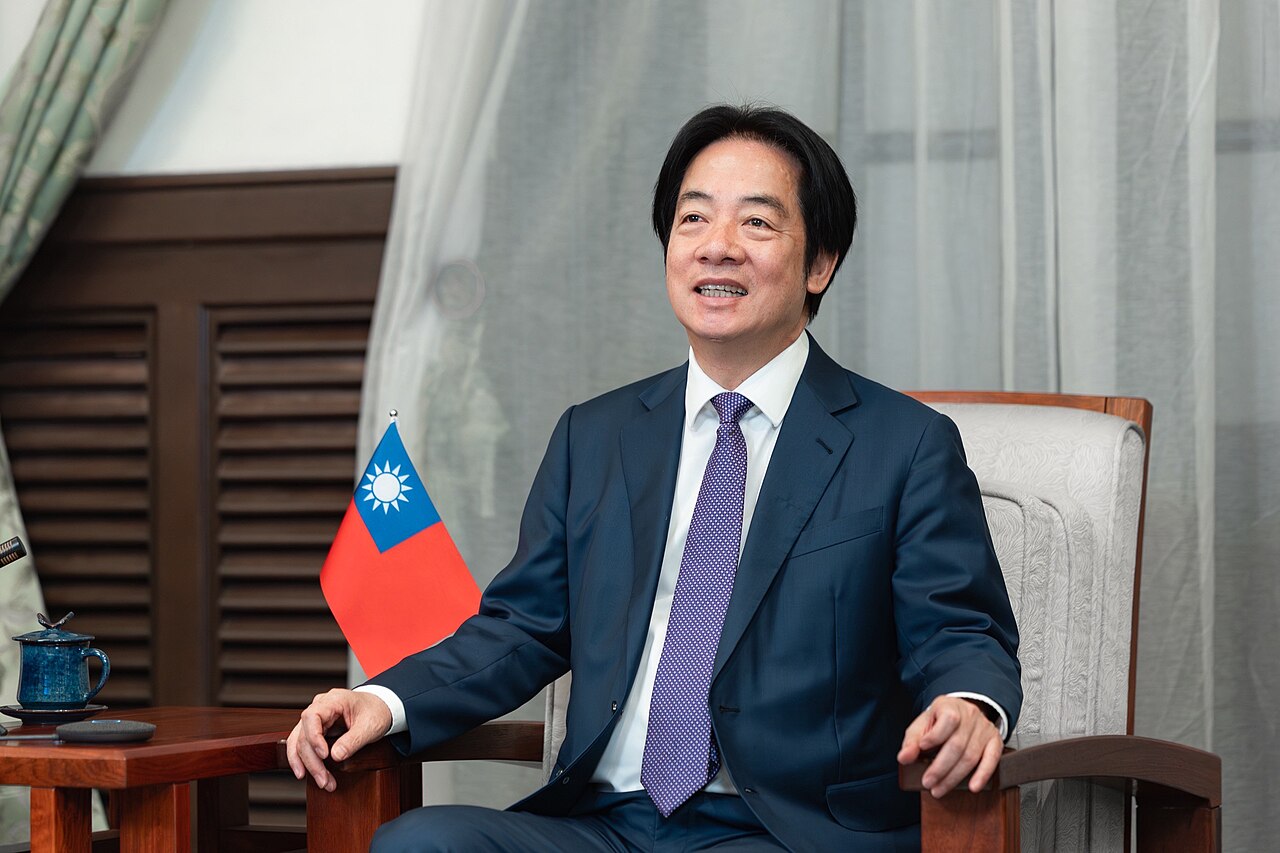
Taiwan President Lai Ching-te reaffirmed the island’s right to engage internationally during a surprise diplomatic visit to Eswatini, pushing back against mounting pressure from China. Speaking to King Mswati III, Lai emphasized that Taiwan is a sovereign nation with the freedom to build global relationships, despite Beijing’s objections.
China continues to claim Taiwan as part of its territory and opposes any official state-to-state interactions between Taipei and other countries. However, Taiwan’s government strongly rejects this stance, asserting its independence and democratic governance. Lai’s visit to Eswatini—one of only 12 nations maintaining formal diplomatic ties with Taiwan—highlights Taipei’s efforts to strengthen international partnerships.
According to Taiwan officials, China previously attempted to block Lai’s travel by pressuring several Indian Ocean nations to deny overflight access for his aircraft. As a result, Lai used an Eswatini government plane to complete the trip, which was intentionally kept unannounced until arrival. This “arrive then announce” strategy is commonly used in diplomacy to avoid interference and ensure security.
During his remarks, Lai stressed that Taiwan’s 23 million citizens deserve a place in the global community. He stated that no country has the authority to prevent Taiwan from contributing to international affairs. Taiwan’s Mainland Affairs Council also responded strongly to criticism from China, insisting that Lai does not need Beijing’s approval to travel.
China’s Taiwan Affairs Office condemned Lai’s visit, using harsh language and accusing him of acting improperly. Despite this, Taiwan remains firm in its position, continuing to promote its sovereignty and international engagement.
The situation has drawn international attention, with the United States and several European nations previously expressing concern over China’s attempts to restrict Taiwan’s diplomatic movements. Lai’s visit underscores ongoing geopolitical tensions and highlights Taiwan’s determination to maintain its global presence despite external pressure.







