


 US Dollar Hits Two-Month High as Aussie, Pound Slide
  RBA Set for September Rate Hike as Inflation Stays High
  Oil Surge Pressures Global Stocks as U.S.-Iran Truce Hopes Fade
  Global Central Banks Brace for More Rate Hikes as Inflation Risks Rise
  Gold Plunges 4% as Treasury Yields Surge and Fed Rate Hike Bets Rise
  Asian Currencies Mixed as Yen Weakens, RBA Hike Looms
  South Korea Exports Set for 16th Monthly Gain on AI Chip Demand
  Fed’s Williams Signals One More Rate Hike Before Year-End
  Europe’s AI Data Centre Boom Strengthens Case for Nuclear Power
  Hong Kong Home Prices Stabilize in August After July Decline
  Yen Sinks as BOJ Rate Hike Fails to Impress Markets
  RBA Hikes Interest Rate to 4.60% as Inflation Risks Rise
  BOJ Set for Rate Hike as Inflation and Yen Pressure Mount
  Asian Stocks Fall as Oil Surge, Bond Yields and AI Concerns Hit Markets


 Add as a preferred source on Google
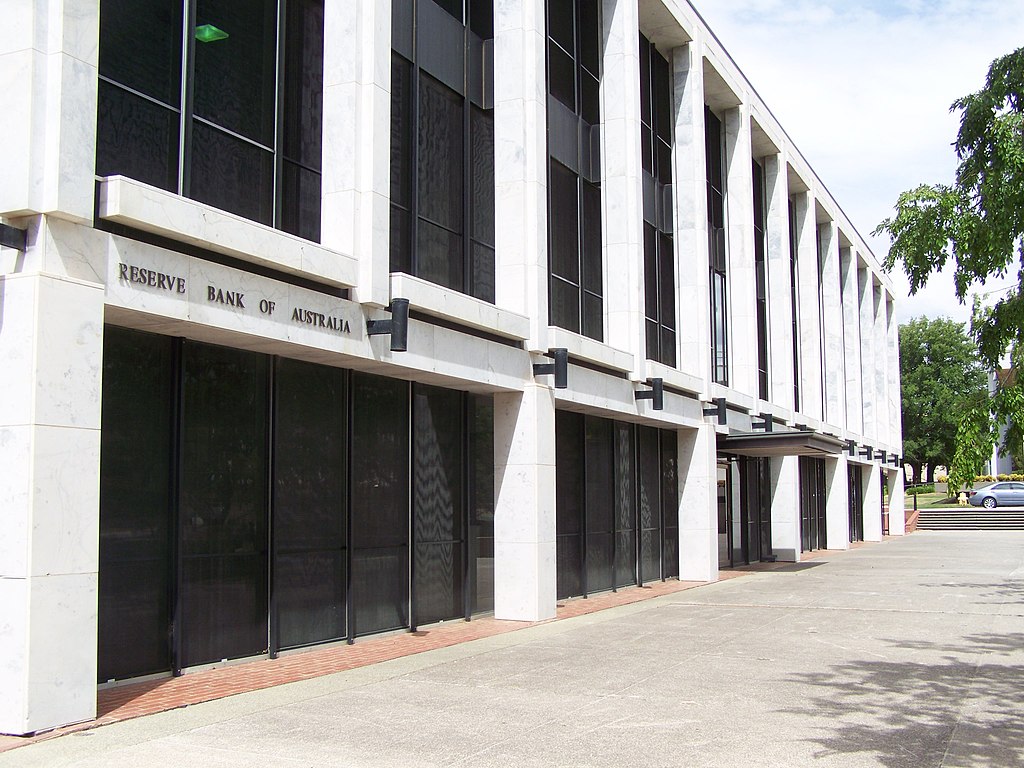
The Reserve Bank of Australia (RBA) is widely expected to raise interest rates by 25 basis points to 4.35% following its May 5 policy meeting, marking its third increase this year. This anticipated move would return the cash rate to levels last seen in late 2024 and effectively reverse the brief easing cycle observed in 2025. The decision comes amid renewed inflationary pressure, largely driven by rising global energy prices linked to the ongoing Middle East conflict.
Australia’s central bank has maintained a hawkish stance in response to persistent inflation, with recent data showing core inflation still well above the RBA’s target range of 2% to 3%. Increasing oil and energy costs are expected to further fuel price growth, prompting policymakers to act decisively. At the same time, the Australian labor market remains tight, providing the RBA with additional room to keep monetary policy restrictive.
Despite expectations of another rate hike, analysts believe the RBA may shift toward a more neutral tone after May. Many forecasts suggest the central bank could pause further tightening, allowing time to assess the full economic impact of elevated energy prices and previous rate increases. Market participants are closely watching the RBA’s post-meeting statement for any signals of an extended pause in policy adjustments.
The Australian dollar has already strengthened on expectations of higher interest rates, with the AUD/USD pair nearing multi-year highs. Higher yields tend to attract foreign investment into Australian assets, supporting the currency. However, a stronger Australian dollar may weigh on export competitiveness, particularly in key commodity sectors.
Meanwhile, the ASX 200 index has struggled amid rising borrowing costs and concerns over slower economic growth. Higher interest rates typically pressure equities, although financial stocks like banks and insurers may benefit from improved margins. In contrast, mining and resource stocks could face headwinds due to currency strength and softer global demand.
Overall, the RBA’s upcoming decision is set to influence currency markets, equity performance, and broader economic expectations in Australia.







