


 Meloni Loses Ground Among Young Italian Voters Ahead of 2027 Election
  Canada-US Trade Talks Gain Momentum Ahead of Aug. 19 Tariff Deadline
  Israel Warned US of Alleged Iran Plot to Assassinate Trump
  Iran Eyes New Development Bank Membership as BRICS Pushes Local Currency Trade
  Putin Visits Disputed Kuril Island, Sparking Strong Protest From Japan
  Taiwan Flags AI-Assisted Cyberattacks Targeting Government Agencies
  North Korea Slams US-South Korea Drills, Vows Stronger Nuclear Deterrence
  Canada, US Hold Fresh Trade Talks as August 19 Tariff Deadline Nears
  Jared Kushner May Visit Israel for Gaza Talks Next Week
  Trump Imposes New Tariffs on Drone Imports Over US Security Concerns
  North Korea Launches Ballistic Missile as US-South Korea Drills Near
  Peggy Flanagan Wins Minnesota Democratic Senate Nomination
  Israeli Troops Enter Qusra Homes as West Bank Settler Siege Continues
  Haftar Helps Broker Release of American Hostage Held by ISIS Affiliate
  Iran War Escalates as US, Houthis Target Ships Near Key Oil Routes
  Trump Orders Major Overhaul of US Navy Shipbuilding
  Israeli Troops Enter Palestinian Homes as Settler Siege Grips West Bank Village


 Add as a preferred source on Google
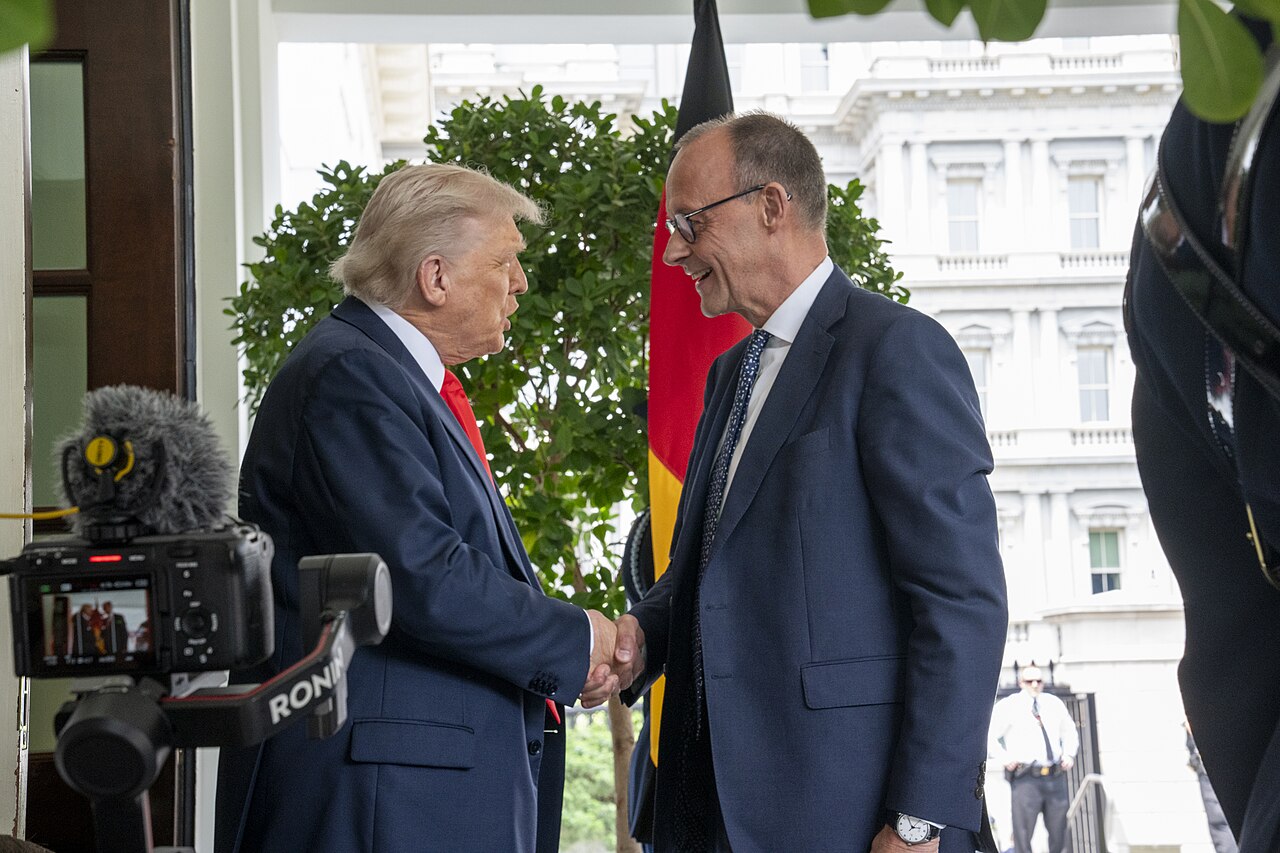
German Chancellor Friedrich Merz has acknowledged policy differences with former U.S. President Donald Trump but emphasized the importance of maintaining strong NATO ties and transatlantic cooperation. Speaking in a televised interview, Merz stated that while disagreements exist—particularly over U.S. strategy in Iran—these differences do not undermine Germany’s commitment to its alliance with the United States.
Merz rejected claims that his recent criticism of U.S. foreign policy influenced Washington’s decision to reduce its military presence in Germany by 5,000 troops. The reduction, announced Friday, affects one of America’s largest European bases and has raised concerns in Berlin about regional security and NATO readiness. However, Merz firmly stated there is “no connection” between the diplomatic tensions and the troop drawdown.
The German leader had previously questioned whether the U.S. had a clear exit strategy in the Middle East and described Washington’s negotiations with Iran as “embarrassing.” Trump responded by calling Merz an “ineffectual” leader, highlighting the growing political friction. Despite this exchange, Merz reiterated that the United States remains a vital partner for Germany and Europe.
The troop reduction also signals a shift from earlier plans under the Biden administration, which included deploying a U.S. battalion equipped with long-range Tomahawk missiles to Germany. That proposal had been strongly supported by Berlin as a deterrent against Russia, especially as European nations work to strengthen their own defense capabilities.
Trump has long advocated for reducing U.S. military commitments abroad, particularly in Europe, urging NATO members to take greater responsibility for their own security. Merz noted that Trump had never fully committed to the missile deployment plan and suggested the U.S. may currently lack sufficient resources to expand such capabilities overseas.
As geopolitical tensions continue, Germany remains focused on balancing its security needs with its strategic partnership with the United States, underscoring NATO’s ongoing importance in global defense and stability.







