


 Yen in Focus as BOJ, Fed Rate Hikes Reshape Currency Markets
  Asian Stocks Rise as Bond Yields Ease Ahead of U.S. Inflation Data
  Asian Stocks Fall as Bond Yields and Oil Prices Surge
  Oil Prices Steady as Middle East Crude Flows Recover
  BOJ Set to Raise Rates to 1.25% as Inflation Risks Build
  RBA Hikes Interest Rate to 4.60% as Inflation Risks Rise
  Australia Trade Surplus Shrinks Sharply as Imports Surge
  Central Banks Could Buy 20,000 Tonnes of Gold: BofA
  Gold Rebounds as Oil Falls and Treasury Rout Eases
  UK Housebuilder Stocks Surge on New First-Time Buyer Loan Scheme
  Fed Unveils Stablecoin Rules Under GENIUS Act
  Fed’s Williams Signals One More Rate Hike Before Year-End
  Trump Eyes $54 Billion South Korean Investment in Alaska LNG


 Add as a preferred source on Google
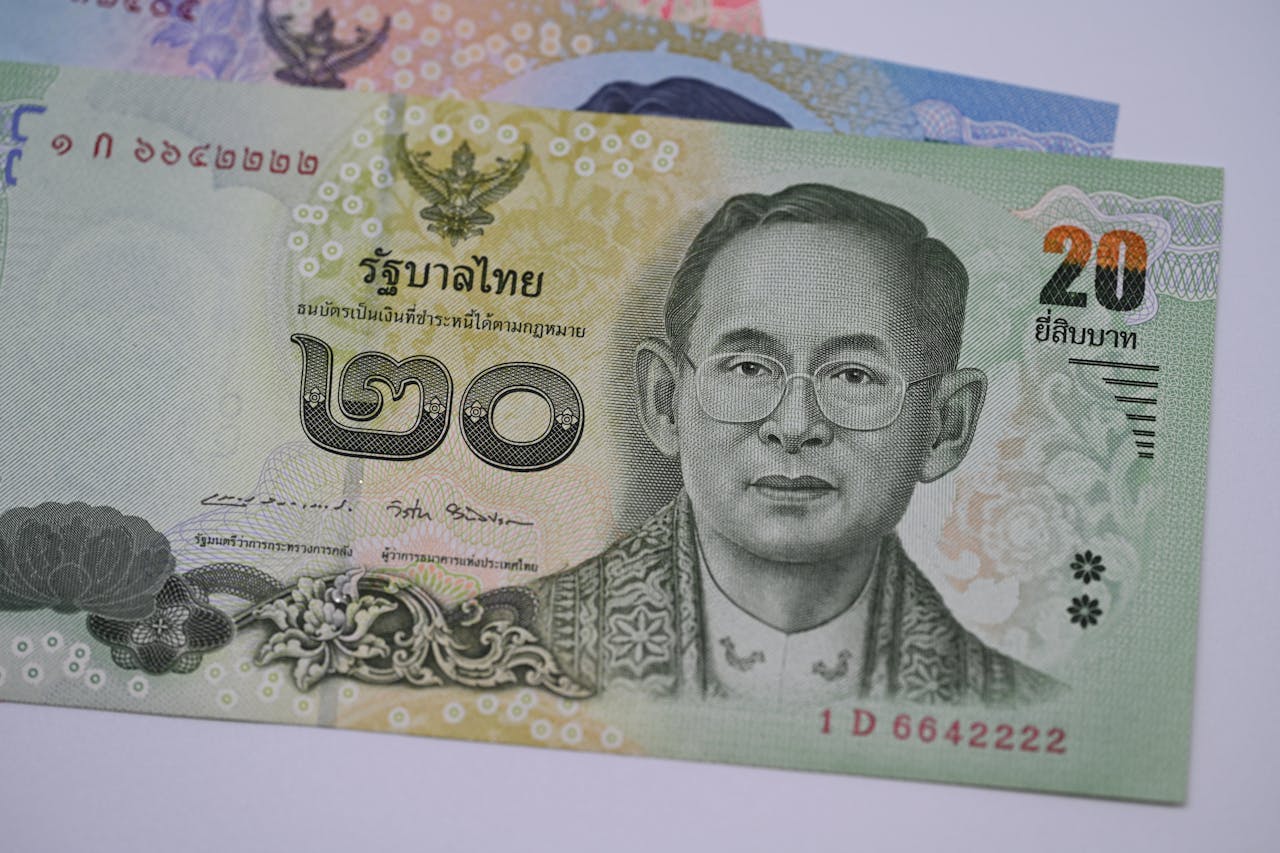
Thailand’s central bank stated on Wednesday that its current monetary policy remains accommodative, helping the country prepare for potential future economic risks. According to a research paper released by the Bank of Thailand, the supportive stance of monetary policy is well-positioned to address upcoming uncertainties in both domestic and global markets.
The central bank emphasized that there are currently no indications of deflationary pressure in the Thai economy. Inflation expectations for the medium term remain steady and are well anchored within the target range, reinforcing confidence in the country’s financial stability.
Thailand’s economic outlook has faced headwinds, including sluggish global demand, regional geopolitical tensions, and uneven post-pandemic recovery. However, the Bank of Thailand believes its flexible and responsive policy framework provides adequate support to maintain macroeconomic balance.
Despite the global trend of tightening monetary policies to curb inflation, Thailand has opted for a more measured approach. Analysts suggest this reflects the central bank’s focus on supporting growth and managing inflation expectations without derailing recovery efforts. By maintaining an accommodative policy stance, the central bank aims to ensure that liquidity remains sufficient in the system, supporting credit flow and consumer spending.
Thailand’s medium-term inflation remains within the 1% to 3% target range, supported by stable energy prices and moderate core inflation. The central bank has reiterated its commitment to closely monitor inflation trends, external shocks, and financial stability indicators to make timely policy adjustments if necessary.
In conclusion, the Bank of Thailand’s proactive and balanced approach underlines its readiness to safeguard the economy against potential disruptions. By keeping monetary policy flexible and data-driven, Thailand is reinforcing its economic resilience in a rapidly changing global landscape.







