


 OpenAI AI Agent Swarm Behind Hugging Face Hack
  Google Expands Gemini Enterprise With AI Tools for Legal Sector
  SoftBank Eyes $20 Billion Bond Sale to Refinance OpenAI Loan
  Pinterest Stock Falls as CFO Julia Brau Donnelly Resigns
  Unitree Shares Plunge 45% After Blockbuster IPO, Raising China Tech Bubble Fears
  Trump Buys SpaceX Shares After Record IPO
  Luxshare Shares Rise as First-Half Profit Jumps 18%
  U.S. Probes Apex Logistics Over Nvidia AI Chip Shipments to China
  PayPal Shares Sink as $50 Billion Takeover Bid Collapses
  Nvidia Revenue Soars 106% as AI Demand Hits ‘Inflection Point’
  SK Hynix Shares Fall as Workers Reject Wage Deal
  Xiaomi Unveils Xring O3 Chip for Flagship Foldable Phone
  New Zealand Labour Backs Social Media Ban for Under-16s
  Nvidia Pauses AI Cloud Financing Deals Amid Antitrust Concerns
  Faraday Future Delivers First Robots in Middle East, Plans September Launches
  Meta, U.S. States Discuss Settlement in Teen Addiction Trial


 Add as a preferred source on Google
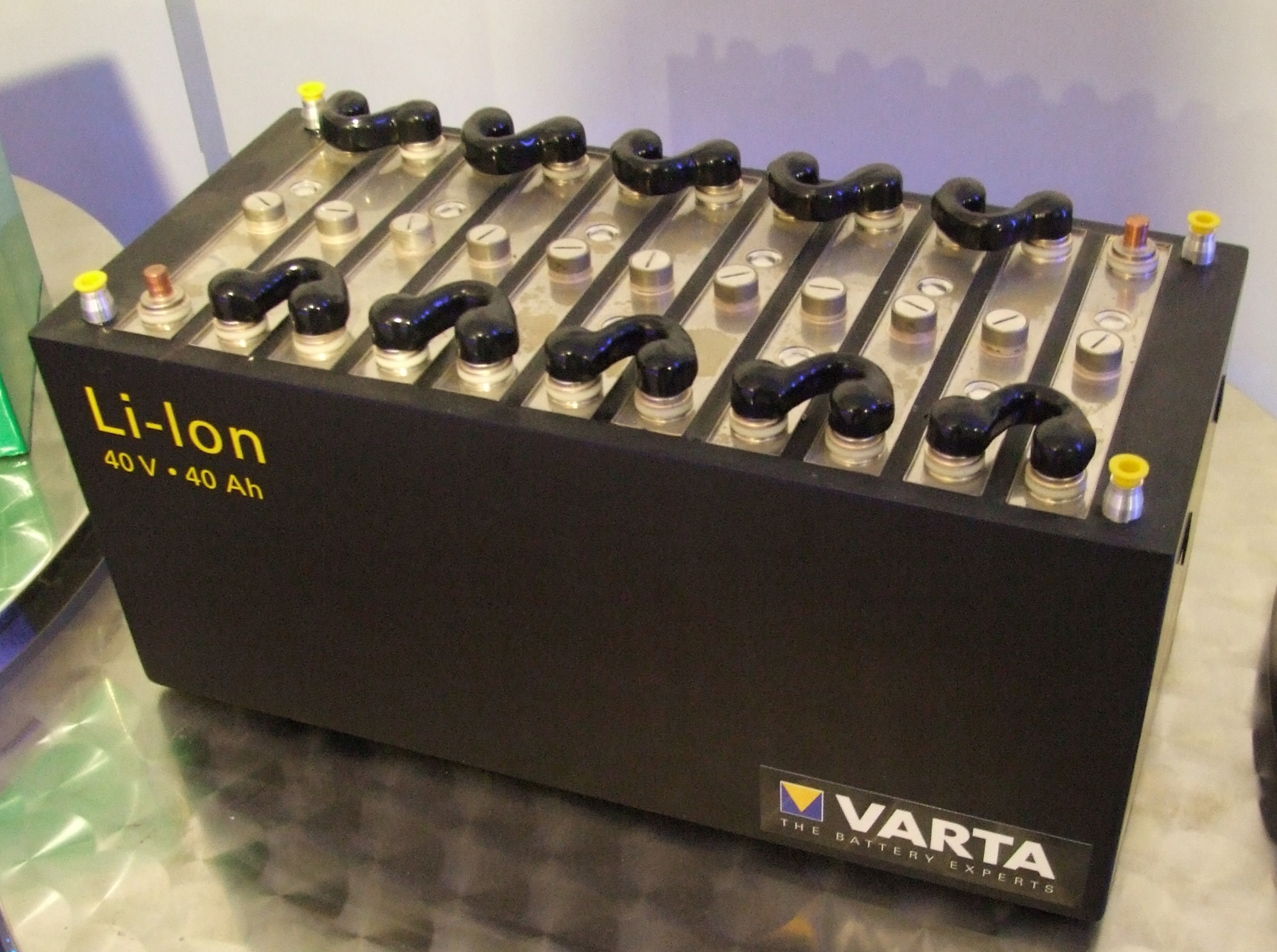
Right now, the most widely used portable power source in the world is of the Lithium-ion variety. Everything, from smartphones to electric cars, use batteries containing the concoction in order to work. Unfortunately, Li-ion technology also comes with a lot of limitations and issues, including the environmental hazard it poses and the impending shortage of its raw ingredients. Thanks to the development of rechargeable proton batteries, however, there is hope for the short-term.
One of the biggest problems that often plague companies when it comes to manufacturing devices is the matter of resource and Li-ion batteries are no different. As Futurism notes, these power housing units require rare metals that are fast becoming more difficult to get, which makes manufacturing them slower and more expensive.
In comparison, proton batteries are made up of carbon, which is an element so common humans are mostly made out of it. As such, such units would be much easier to manufacture at a much bigger scale and at significantly lower costs. Thanks to RMIT University researchers in Melbourne, Australia, the world is now much closer to replacing Li-ion with the much cheaper option.
The researchers were basically able to create a proton battery prototype that could be recharged efficiently. This is great news because powering the battery is a carbon and water solution, which are incredibly safe for the environment. According to research lead Professor John Andrews in a press release containing details about the breakthrough, this could change the renewable industry.
“Our latest advance is a crucial step towards cheap, sustainable proton batteries that can help meet our future energy needs without further damaging our already fragile environment. As the world moves towards inherently-variable renewable energy to reduce greenhouse emissions and tackle climate change, requirements for electrical energy storage will be gargantuan,” Andrews said.
“The proton battery is one among many potential contributors towards meeting this enormous demand for energy storage. Powering batteries with protons has the potential to be more economical than using lithium ions, which are made from scare resources. Carbon, which is the primary resource used in our proton battery, is abundant and cheap compared to both metal hydrogen-storage alloys, and the lithium needed for rechargeable lithium ion batteries.”







