Ukraine’s top sanctions official will visit Washington this week to press U.S. lawmakers to approve sweeping new Russia sanctions legislation that has already cleared the Senate but faces resistance in the House of Representatives.
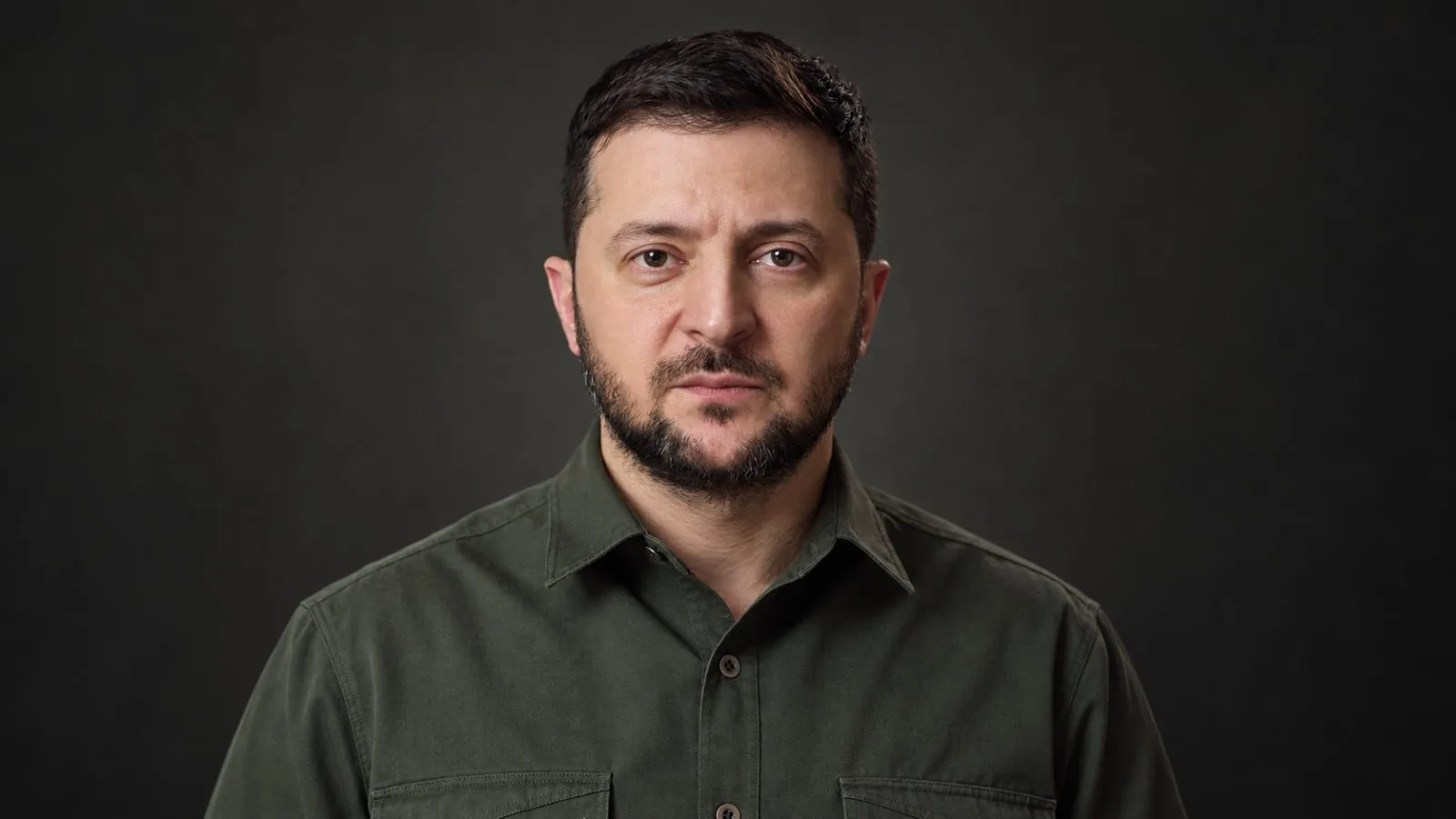
Vladyslav Vlasiuk, sanctions commissioner for Ukrainian President Volodymyr Zelenskiy, told Reuters he is scheduled to arrive in Washington on Tuesday for meetings with members of Congress. Congressional aides said Vlasiuk will seek support for the Lindsey O. Graham Sanctioning Russia and Iran Act of 2026.
The legislation targets Russian officials while giving the U.S. president authority to impose steep tariffs on countries that remain major buyers of Russian oil and gas. The measure is designed to reduce Moscow’s energy revenue and increase economic pressure over Russia’s full-scale invasion of Ukraine.
Named after Senator Lindsey Graham, who died in July, the bill passed the Senate on August 7 in an 86-11 vote, drawing strong bipartisan backing. President Donald Trump also supports the legislation.
However, its prospects in the House remain uncertain. Some Democrats and Republicans are concerned that expanding Trump’s tariff authority could increase costs for American businesses and consumers, potentially creating political risks ahead of the November midterm elections.
House Democratic Leader Hakeem Jeffries said Monday that Democrats have not reached a unified position. He said senior members of the party are particularly concerned that the administration could misuse the additional sanctions and tariff powers.
The House has yet to schedule a vote, although Jeffries said Democratic lawmakers could hold serious discussions on the legislation this week.
Opponents also argue that Trump already possesses sufficient authority to impose tougher sanctions against Russia without new legislation.
The debate comes as Ukraine continues to face heavy Russian drone attacks, including strikes on Kyiv and surrounding areas that have killed dozens and damaged residential buildings.
If approved by the House and signed by Trump, the Russia sanctions bill would authorize tariffs of up to 100% on countries that are major consumers of Russian energy, potentially affecting India, Japan and some European Union nations. The president would also have discretion to remove those tariffs.