


 Peru Economy Grows 2.6% in Q2 as Private Investment Surges
  Iran Allows Iraqi Oil Tankers Through Strait of Hormuz
  Xiaomi Unveils Xring O3 Chip for Flagship Foldable Phone
  SK Hynix Shares Surge on Record $28.6 Billion Buyback
  ING Says Yen Is 20% Undervalued Against Dollar
  UK Budget Swings to Surprise £1.8 Billion Deficit in July
  Asian Currencies Steady as Dollar Hovers Near Multi-Month Lows
  China EV Stocks Slide as Door Handle Recall Hits 4.3 Million Vehicles
  Countries Tighten Social Media Bans for Children
  Alibaba Shares Fall as AI Spending Hits Profit
  Merz Pushes Faster Reforms to Revive German Economy
  Samsung Shares Rise on $72 Billion Shareholder Return Plan
  RBA Debated Rate Hike as Inflation Risks Persist
  29 US states are suing Meta. What might it mean for the rest of the world?
  Trump Vows Tougher Iran Sanctions as US Weighs New Economic Pressure
  New Zealand Moves to Ban Social Media for Children Under 16
  The importance of teaching students what AI can’t do


 Add as a preferred source on Google
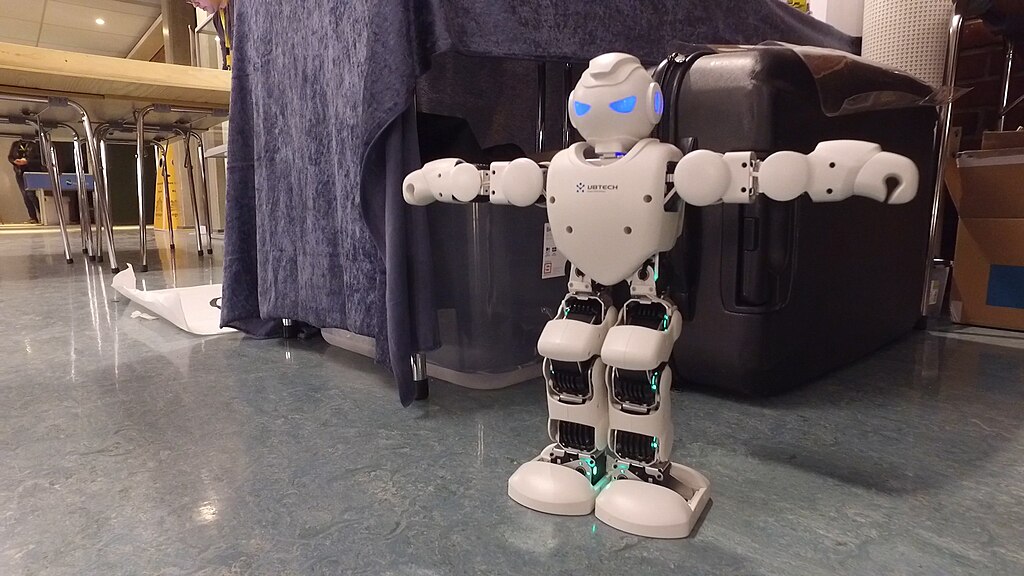
Unitree shares have plunged about 45% from their post-IPO highs, raising concerns about a potential robotics stock bubble, retail investor losses and weaknesses in China’s listing system.
The Chinese humanoid robot maker made a spectacular Shanghai debut last Wednesday, with its shares surging 460% on their first trading day. At its peak, Unitree reached a valuation of roughly $66 billion before losing around $30 billion in market value. Shares stabilized on Tuesday following three consecutive sessions of declines.
The dramatic reversal has fueled debate over whether investor enthusiasm for artificial intelligence and robotics has moved too far ahead of company fundamentals. Unitree is among the world’s largest manufacturers of quadruped and humanoid robots and competes with Tesla and Hyundai-owned Boston Dynamics.
Despite attracting attention with robots capable of running, dancing and performing martial arts, Unitree has yet to achieve widespread commercial adoption. Its adjusted net profit dropped 53% to 40 million yuan ($5.95 million) during the first three months of 2026, according to its prospectus.
“Investors were carried away by the technology revolution narrative,” said Dong Baozhen, chairman of Beijing-based asset manager Lingtong Shengtai, warning that speculative bubbles eventually burst.
Unitree’s 460% debut gain also far exceeded the average 226% first-day increase recorded by newly listed Chinese stocks over the past three years. Memory chipmaker CXMT similarly surged 466% during its Shanghai debut last month.
Analysts say perceived government support for strategic technology industries helped fuel demand. Unitree’s accelerated listing on Shanghai’s STAR Market, which targets hard-tech companies, reinforced expectations that the robotics industry benefits from Beijing’s push for technological self-sufficiency.
Critics argue China’s tightly controlled IPO pricing system and restrictions on short selling can contribute to extreme post-listing valuations. They also warn that early investors and major shareholders can benefit disproportionately while retail traders absorb losses after buying at inflated secondary-market prices.
However, some investors believe robotics companies should be evaluated over a longer horizon because heavy research spending often comes years before meaningful commercial demand.
Unitree’s volatile debut could now serve as a warning for other Chinese AI and robotics companies considering IPOs as Beijing seeks to strengthen strategic technology industries without encouraging excessive market speculation.







