


 FAA Warns US Airlines Over Saudi Arabia Flight Risks
  Russian Strikes Kill Six in Ukraine, Including Three in Kharkiv
  Tencent Shares Fall as $5 Billion AI Bond Sale Weighed
  Trump Weighs FBI Probe Into Nolan Wells’ Death
  Apple Cuts iPhone 18 Pro Production Orders Amid Weak Demand
  Amazon in Talks to Acquire AI Startup Decart for $7 Billion
  US DOT Ends Airline Privacy Review Without Enforcement
  Elon Musk Eyes Semiconductor Manufacturing Expansion With $15 Billion Terrafab Project
  EU Gives Crypto Platforms Three Months to Remove USDT Under MiCA Rules
  US Suspends Microsoft, Adobe From Green Card Program
  Apple Supplier Luxshare Sees Limited Impact From US Patent Probe
  OpenAI Revenue Hits $50 Billion, Below Earlier $70 Billion Estimate
  Yandex Data Center Hit by Drone Strike as Russia-Ukraine Cyber Infrastructure Attacks Escalate
  Uber Exits Four African Markets Amid Rising Competition
  Jameson Lopp Downplays AI Threat to Bitcoin Cryptography
  Deutsche Bank CEO Urges Faster German Economic Reforms
  Trump Sanctions International Criminal Court, Sparking EU Backlash


 Add as a preferred source on Google
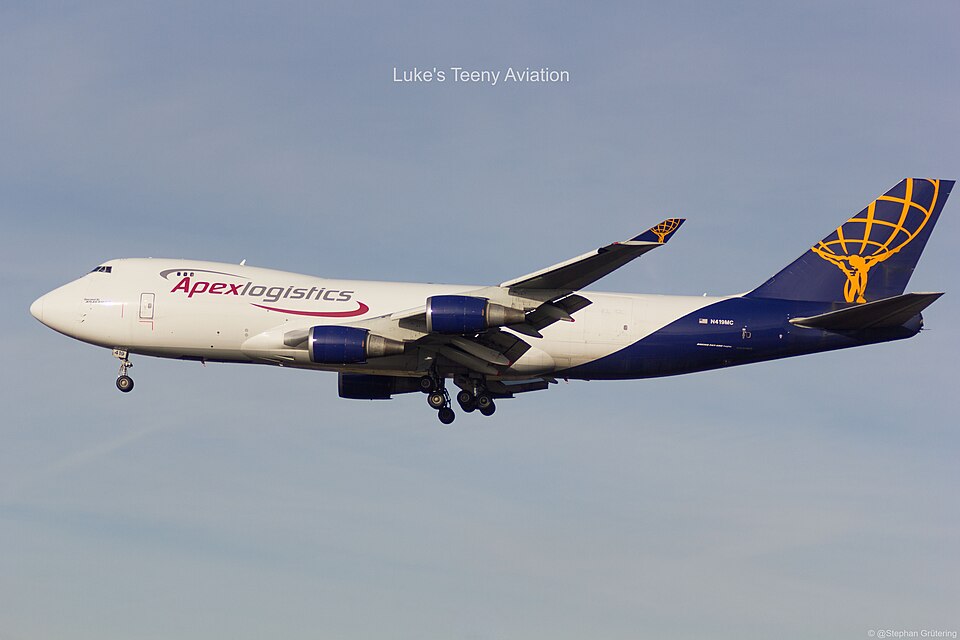
The U.S. government is investigating Singapore-based Apex Logistics over allegations that the freight company helped transport Nvidia AI chips and computer systems to China despite U.S. export restrictions, Bloomberg reported Thursday.
The investigation, led by the U.S. Commerce Department’s Bureau of Industry and Security (BIS), is examining whether Apex handled artificial intelligence systems manufactured by Super Micro Computer that ultimately reached mainland China in violation of American semiconductor export controls.
According to the report, authorities are reviewing 47 shipments handled by Apex during 2024. The suspected supply chain allegedly involved Nvidia-powered servers traveling from Taiwan to the United States before being routed through Southeast Asia and Hong Kong and eventually entering China.
If enforcement action follows, the case could represent the first significant U.S. move against a transportation company accused of participating in the unauthorized trade of advanced AI semiconductors. The investigation also underscores Washington’s growing scrutiny of logistics providers and intermediaries involved in global technology supply chains.
The United States has imposed increasingly strict controls on exports of advanced AI chips to China since 2022, citing national security concerns and the potential military applications of high-performance computing technology.
Apex Logistics acknowledged that U.S. authorities had raised concerns about a limited number of shipments and said it was fully cooperating with the investigation. Its Swiss parent company, Kuehne & Nagel, also confirmed that Apex was cooperating, although the parent company itself had not been contacted by U.S. authorities, according to Bloomberg.
Nvidia, meanwhile, said it works with established partners to ensure its products are sold in accordance with U.S. export regulations. The AI chipmaker added that its due-diligence procedures have helped uncover suspected efforts to evade export restrictions.
The Apex Logistics investigation could broaden the focus of U.S. semiconductor enforcement beyond chipmakers, distributors and customers to freight and logistics companies responsible for moving advanced computing equipment across international borders.







