


 Asian Stocks Slide as U.S.-Iran Fighting Lifts Oil Prices
  Canadian Dollar Slides as Fed Rate Hike Bets Boost US Dollar
  Oil Prices Jump as U.S.-Iran Tensions Threaten Hormuz
  US Stock Futures Fall as Iran Strikes, Fed Rate Fears Rise
  Tokyo Inflation Rises in August as BOJ Rate Hike Bets Grow
  Canada Backs €100B Global Defence Bank as G7 Support Lags
  Iran Weighs Conditions to Reopen Strait of Hormuz
  Asian Tech Stocks Slide as Fed Rate Hike Bets Rise
  China Manufacturing PMI Contracts Again as Recovery Remains Fragile
  Citi Sees Signs of Shift in Global Currency Policy
  Wall Street Slips as Warsh’s Hawkish Fed Speech Rattles Markets
  Bessent Urges G20 to Rethink China Trade Ties
  UAE Central Bank Probes Banque Misr Over Iran Links
  Dollar Holds Near Two-Week High as Fed Rate Hike Bets Rise
  France Inflation Accelerates to 2.7% in August
  Ukraine Seeks Early EU Funds to Cover $27B Defence Gap
  Asian Stocks Fall as Fed Rate Hike Bets and Iran Conflict Rattle Markets


 Add as a preferred source on Google
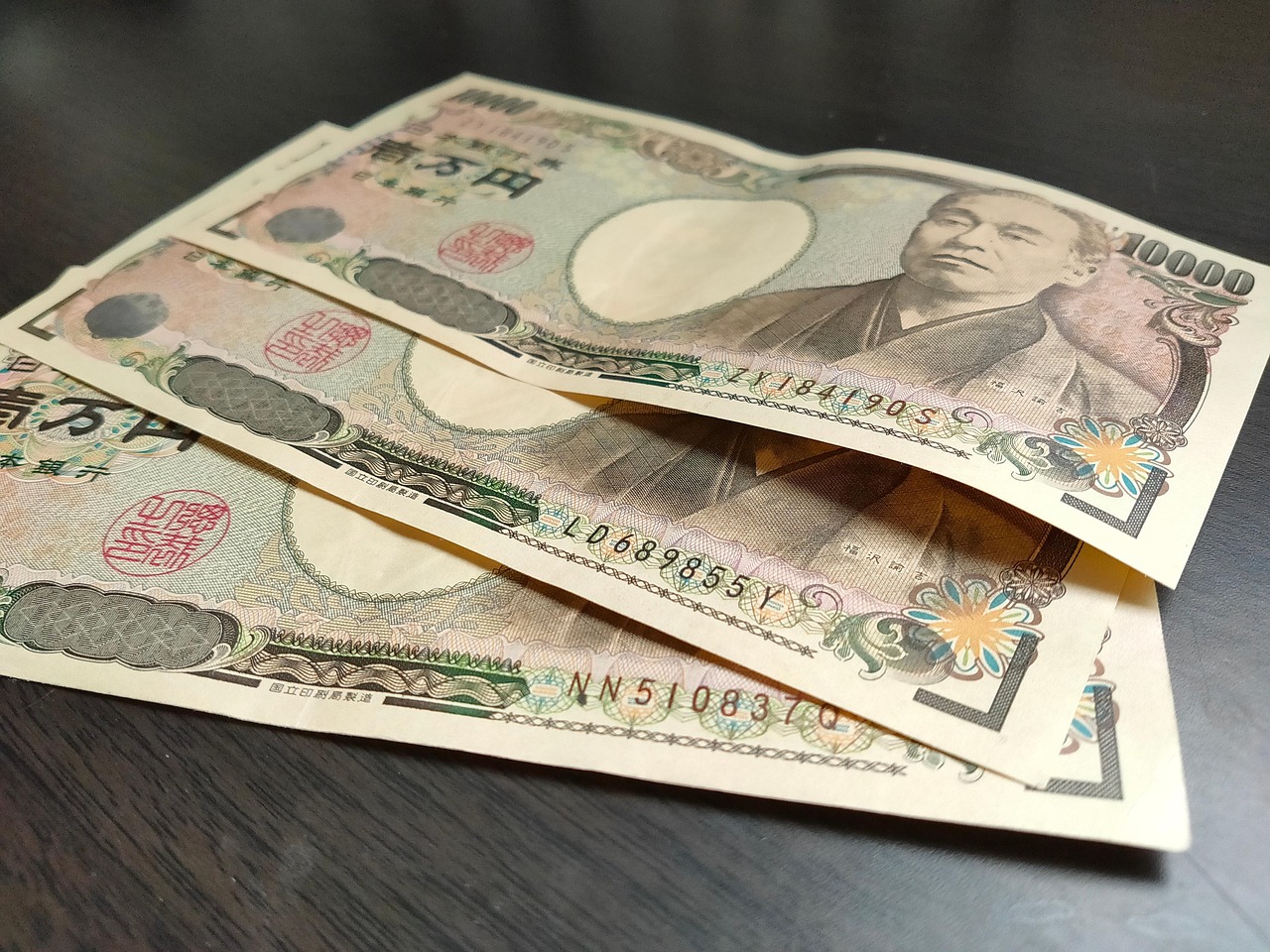
Asian currencies traded mixed on Monday as the Japanese yen remained close to the critical 160-per-dollar level, while escalating U.S.-Iran tensions pushed oil prices higher and fueled risk aversion across financial markets.
The U.S. dollar stayed firm after Federal Reserve Chair Kevin Warsh’s hawkish comments increased expectations for another interest rate hike. Markets now price roughly a 57% chance of a September Fed hike, while the two-year U.S. Treasury yield climbed to a more than one-month high of 4.33%. The U.S. Dollar Index hovered near 99.60 after gaining 0.6% on Friday.
USD/JPY traded around 159.83, keeping the yen near a level widely viewed as increasing the likelihood of intervention by Japanese authorities. Japan and the United States jointly intervened in currency markets in late July.
U.S. Treasury Secretary Scott Bessent said recent yen movements were “pretty well contained” and plans to meet Bank of Japan Governor Kazuo Ueda during the G20 gathering in North Carolina. His remarks indicated that current currency moves may not yet justify another coordinated intervention.
Pressure nevertheless remains on the yen as differences between U.S. and Japanese monetary policy persist. Japanese 10-year government bond yields reached their highest level since 1996, while markets are assigning increased odds to a September BOJ rate hike.
Elsewhere in Asia, the Australian dollar edged higher, while the Singapore dollar strengthened slightly. The South Korean won was broadly unchanged near 1,373.23 per dollar, and the Indian rupee opened about 0.1% higher.
China’s yuan was steady after official manufacturing PMI improved to 49.8 in August from 49.2, beating expectations but remaining below the 50-point threshold separating expansion from contraction. Non-manufacturing PMI remained at 49.0.
Geopolitical risks added pressure after Brent crude surged 2.8% to $90.60 a barrel following U.S. strikes on Iranian launchers on Larak Island and subsequent Iranian attacks against U.S. forces in Jordan.
Investors now await Friday’s U.S. nonfarm payrolls report, with economists forecasting a 58,000-job increase and unemployment holding at 4.1%. The data could provide the next major catalyst for the U.S. dollar, yen and broader Asian currency markets.







