


 Gold Rebounds as Oil Falls and Treasury Rout Eases
  BOJ Set for 25-Basis-Point Rate Hike as Yen Weakness Fuels Inflation
  Fed Unveils Stablecoin Rules Under GENIUS Act
  XRP Price Targets $1.70 as Bullish Momentum Builds
  BlackRock’s Rick Rieder Favors Bonds Over Stocks as Treasury Yields Surge
  Asian Stocks Rise as Bond Yields Ease Ahead of U.S. Inflation Data
  RBI Uses $10 Billion Currency Swaps to Drain Excess Rupee Liquidity
  ECB May Stop Rate Hikes After December, Capital Economics Says
  US Dollar Hits Two-Month High as Aussie, Pound Slide
  RBA Set for September Rate Hike as Inflation Stays High
  US Alcohol Ban Exposes Canada’s Internal Trade Barriers
  Gold Prices Slip as High Treasury Yields Weigh on Bullion


 Add as a preferred source on Google
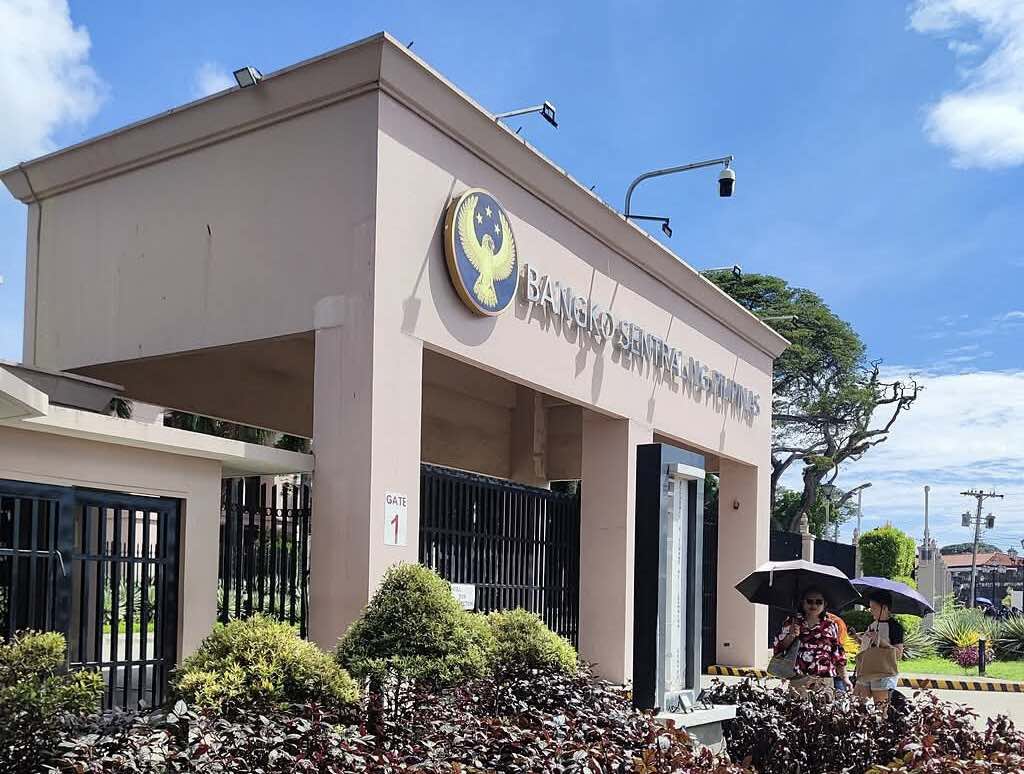
The Bangko Sentral ng Pilipinas (BSP) has revised its current account deficit forecast for 2025 to 3.3% of GDP, down from its earlier estimate of 3.9%, and expects it to narrow further to 2.5% in 2026. The central bank also trimmed its balance of payments outlook, now projecting a deficit of 1.3% of GDP this year and 0.5% next year, compared to the previous 0.8% forecast for both years.
These adjustments reflect continued global uncertainties, including geopolitical tensions and volatile trade dynamics, which may impact investor sentiment. Despite external risks, the BSP said the country remains resilient, backed by sufficient liquidity buffers. Gross international reserves are forecast to dip slightly to $104 billion in 2025 from $106.3 billion in 2024, but are expected to rebound to $105 billion in 2026.
Remittance inflows from overseas Filipinos remain a stable economic driver, with the BSP maintaining its projections. Remittances are expected to grow 2.8% this year to $35.5 billion, and by 3% in 2026 to reach $36.5 billion.
Last week, the Philippine government also downgraded its GDP growth targets due to the economic fallout from Middle East conflicts and shifts in U.S. trade policy. The 2025 growth forecast now stands at 5.5%-6.5%, down from the previous 6%-8%. The targets for 2026 to 2028 were also reduced to 6%-7%, from the earlier range of 6%-8%.
As the Philippines navigates global economic headwinds, policymakers are focusing on maintaining financial stability while adjusting outlooks to reflect evolving risks and external pressures.







