


 Dollar Slips Ahead of Key U.S. Jobs Data as Fed Rate Outlook, ECB, and Iran Talks Shape Forex Markets
  Iran Skips U.S. Technical Talks Over Unmet MoU Conditions and Frozen Funds Dispute
  China Expands Export Controls, Adds 20 Japanese Companies to Restricted List
  China Manufacturing PMI Edges Higher in June as Exports and AI Investment Boost Growth
  Gold Price Falls as Fed Rate Hike Fears and U.S.-Iran Tensions Weigh on Bullion
  Argentina Economy Shrinks 1.5% in April, Recovery Under Milei Loses Momentum
  Asian Currencies Stay Range-Bound as Investors Eye China Data, RBNZ Outlook and U.S.-Iran Ceasefire
  US Stock Futures Steady as Investors Await Payrolls Data and Monitor Iran Tensions
  Australia Plans Higher Fines for Social Media Firms Failing to Block Underage Users
  Trump Suspends Some Morocco Fertilizer Tariffs to Ease U.S. Supply Shortage
  Economic pessimism has set in – but there are reasons for Australians to be hopeful
  Trump Announces September Overhaul of Washington’s East Potomac Golf Links
  China Factory PMI Seen Returning to Growth in June as AI Export Demand Supports Economy
  World Bank Approves $1.1 Billion Emergency Funding for Bangladesh Amid Food and Energy Price Pressures
  Taiwan Coast Guard Officer Finds Strength in Faith as China Increases Pressure in Taiwan Strait
  Maria Corina Machado’s Return to Venezuela Faces U.S. Hesitation After Deadly Earthquakes


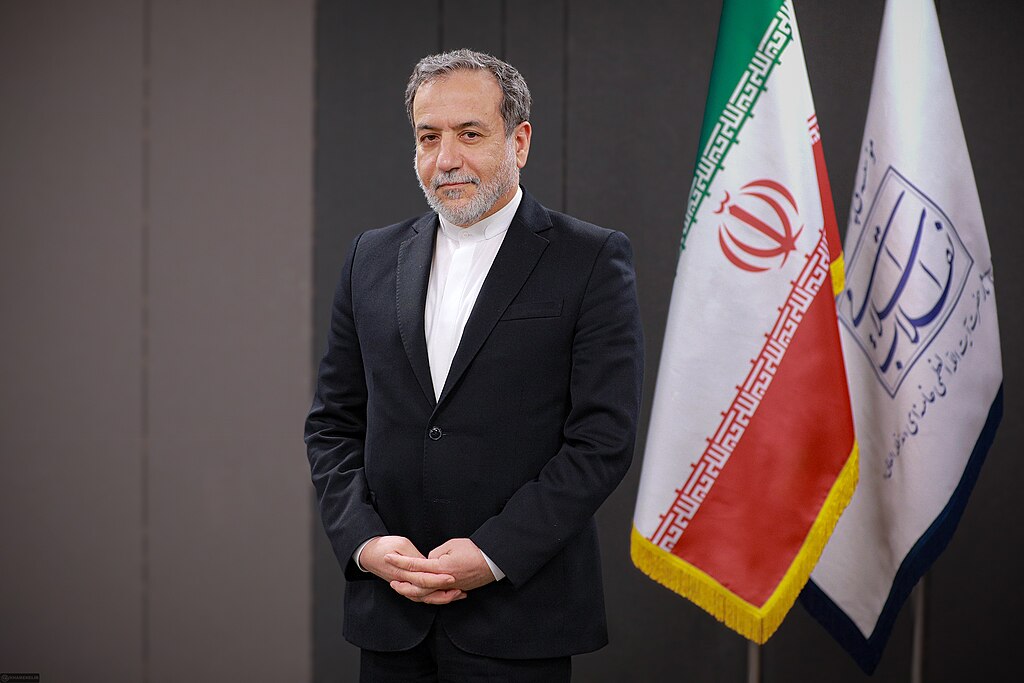
Pakistani officials have confirmed that Iran’s Foreign Minister Abbas Araghchi is expected to visit Islamabad by the weekend, according to a report by The Associated Press. The high-level diplomatic trip, which may begin as early as Friday, will include a small Iranian government delegation. This visit highlights Pakistan’s growing role as a mediator in ongoing geopolitical tensions involving Iran, the United States, and regional allies.
Pakistan has recently positioned itself as a key facilitator in ceasefire discussions between Washington and Tehran. These diplomatic efforts come amid a fragile geopolitical landscape, with uncertainty surrounding multiple ceasefire agreements in the Middle East. U.S. President Donald Trump announced a three-week extension of a ceasefire between Israel and Lebanon following talks with officials from both nations. However, the absence of Hezbollah representatives from these discussions has raised concerns about the long-term stability of the agreement.
Earlier developments included an indefinite ceasefire announcement between the U.S. and Iran. Despite this, the U.S. has maintained a blockade on Iranian ports, escalating tensions further. In response, Iran has demonstrated its control over the Strait of Hormuz, a critical global oil transit route responsible for nearly 20% of the world’s oil supply. Reports indicate that Iranian forces have attacked vessels in the region, while U.S. forces have seized Iranian-flagged ships and issued strict military warnings against further escalation.
The ongoing conflict has had a significant impact on global oil markets. Concerns over supply disruptions in the Strait of Hormuz have driven oil prices above $100 per barrel, intensifying fears of rising inflation and slower economic growth worldwide. Brent crude, a key global benchmark, recently traded at $104.38 per barrel, reflecting continued volatility despite slight declines.
As diplomatic efforts continue, global markets remain highly sensitive to developments in Iran-U.S. relations, Middle East conflicts, and energy supply stability.







