


 $16B Michigan Data Center Project Boosts U.S. AI Infrastructure Expansion
  U.S. Disrupts Russian Military Hackers' Global DNS Hijacking Network
  Mercedes-Benz Faces Rising Competition in China but Rejects Price War Strategy
  Weight-Loss Drug Ads Take Over the Super Bowl as Pharma Embraces Direct-to-Consumer Marketing
  Fonterra Admits Anchor Butter "Grass-Fed" Label Misled Consumers After Greenpeace Lawsuit
  Florida Launches Criminal Probe Into OpenAI Over FSU Shooting Incident
  Hims & Hers Halts Compounded Semaglutide Pill After FDA Warning
  Trump Pardon Clears Juan Orlando Hernández as U.S. Court Dismisses Drug Conviction Appeal
  U.S. Vaccine Policy Shifts Under RFK Jr. Create Uncertainty for Pharma and Investors
  CDC Acting Director Urges Measles Vaccination as U.S. Cases Surge in 2026
  Bank of America's $72.5M Epstein Settlement: What You Need to Know
  Trump Administration Sues Three States Over Prediction Market Regulations
  Innovent Biologics Shares Rally on New Eli Lilly Oncology and Immunology Deal
  Why the future of marijuana legalization remains hazy despite high public support
  Florida Investigates OpenAI and ChatGPT Over Alleged Role in FSU Shooting
  Texas AG Investigates Lululemon Over "Forever Chemicals" in Activewear


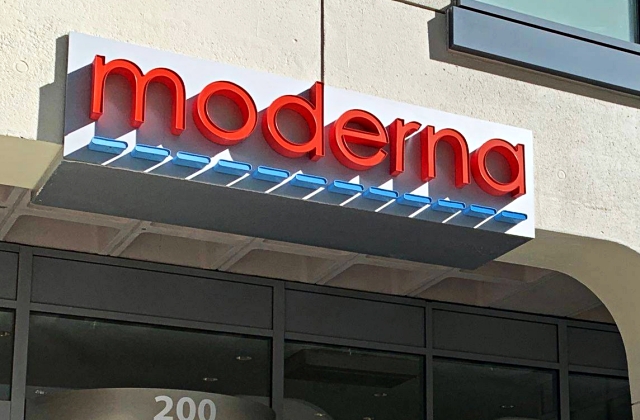
Moderna has reached a major legal settlement worth up to $2.25 billion with Genevant Sciences and Arbutus Biopharma, ending a long-running patent dispute over the lipid nanoparticle (LNP) technology used in its COVID-19 vaccine. The agreement resolves multiple lawsuits accusing Moderna of using the companies’ LNP delivery system without authorization in its mRNA-based vaccine.
Under the terms of the settlement, Moderna will pay $950 million upfront in July 2026. An additional $1.3 billion may be paid depending on the outcome of a separate legal appeal. The deal brings closure to both U.S. and international legal actions related to the disputed vaccine technology.
Lipid nanoparticles play a critical role in mRNA vaccines, including Moderna’s COVID-19 shot. The technology acts as a protective carrier that shields fragile messenger RNA molecules and helps deliver them safely into human cells, enabling the vaccine to trigger an immune response. Genevant and Arbutus claimed ownership of key patents covering this LNP delivery system and argued that Moderna used the technology without proper licensing.
As part of the settlement, Moderna stated it will not owe royalties to Genevant or Arbutus for LNP technology in its future vaccine products. This clause removes potential financial uncertainty for the biotech company as it continues developing new vaccines, including updated COVID-19 shots and combination COVID/flu vaccines.
Investors reacted positively to the announcement. Moderna shares surged more than 10% in after-hours trading following the news. Arbutus Biopharma stock climbed approximately 11%, while Roivant Sciences, Genevant’s parent company, saw a modest gain of about 1%.
Analysts believe the settlement removes a significant legal risk for Moderna. According to Jefferies analyst Andrew Tsai, the agreement eliminates the worst-case scenario of paying double-digit royalty rates on vaccine sales. Considering Moderna has generated roughly $48 billion in global COVID-19 vaccine revenue, the settlement amount represents only a small fraction of those earnings.
The case had been scheduled to go to trial in Delaware federal court, marking what would have been the first major trial among several high-stakes patent disputes tied to COVID-19 vaccine technology. Similar lawsuits involving Pfizer and BioNTech remain ongoing, highlighting the intense competition and intellectual property battles within the rapidly evolving mRNA vaccine industry.







