


 DOJ Clears Paramount Skydance-Warner Bros. Discovery Merger Without Conditions
  Maria Corina Machado’s Return to Venezuela Faces U.S. Hesitation After Deadly Earthquakes
  Apple Challenges India Antitrust Probe, Says CCI Copied Rivals’ Claims in App Store Case
  US-Iran De-Escalation Shifts Washington’s Focus to AI Regulation and Crypto Legislation
  Sheinbaum Says No One Is Above the Law After Abuse Video of Ex-Pemex Chief Emerges
  Despite its best efforts, Iran won’t be able to toll the Strait of Hormuz. Here’s why
  Trump Administration Defends Anthropic AI Restrictions in Ongoing Federal Lawsuit
  Mexico, U.S. Launch Sterile Fly Facility to Combat New World Screwworm Outbreak
  Colombia Opens New Investigation Into Former President Álvaro Uribe Over Paramilitary Allegations
  Trump Urges Gasoline Retailers to Cut Prices to $2.50 Per Gallon, Warns of Legal Action
  DOJ Opens Investigation Into NYC Coffee Shop Over Anti-Goldman Social Media Post
  RFK Jr. Orders Extended Hantavirus Quarantine for Cruise Passenger
  Australia Sues Amazon Over Prime Video Ads and Subscription Terms
  Italy Investigates Microsoft Over Microsoft 365 AI Subscription Price Hike
  China Expands Export Controls, Adds 20 Japanese Companies to Restricted List
  U.S. Eases Iran Team Travel Restrictions Ahead of Seattle World Cup Match
  NTSB Investigates Boston Logan Airport Near-Miss Between Delta and American Airlines Jets


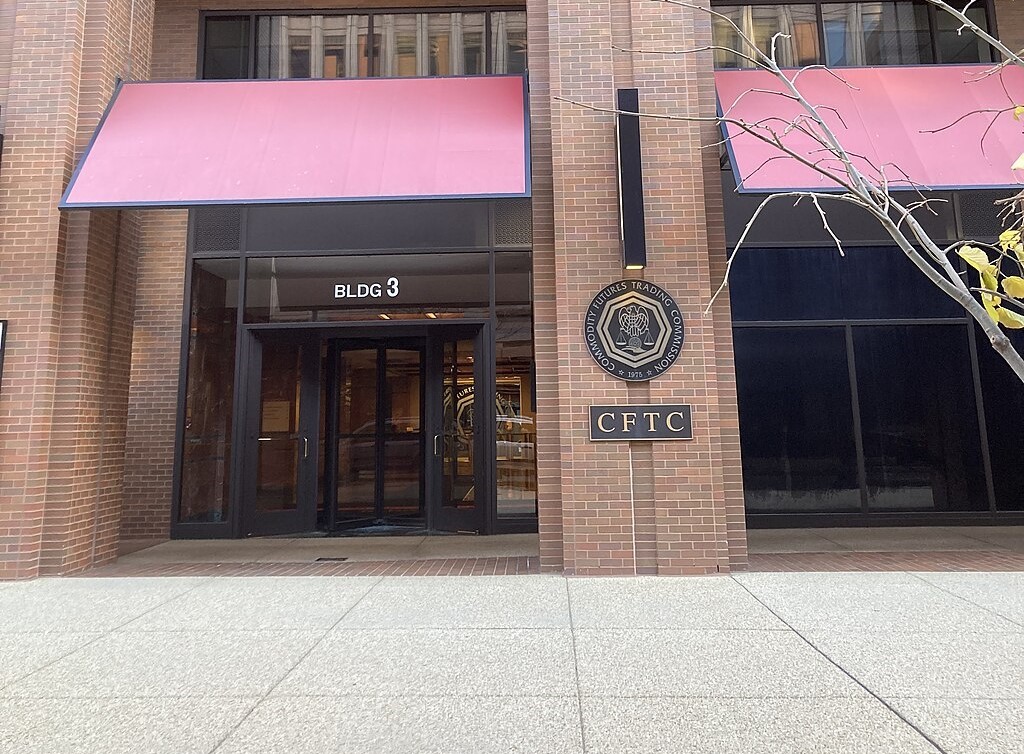
The Trump administration has filed lawsuits against Arizona, Connecticut, and Illinois, seeking to halt what federal officials describe as unlawful state interference in the growing prediction markets industry. The legal action centers on whether state gambling laws can be applied to companies operating federally regulated event contract platforms.
The Commodity Futures Trading Commission filed the suits, arguing that state regulators overstepped their authority by issuing cease-and-desist orders to prediction market operators including Kalshi, Polymarket, Crypto.com, and Robinhood. According to the CFTC, federal law grants it exclusive jurisdiction over national swaps markets, making state-level enforcement actions unconstitutional.
Prediction markets, also known as event contracts, allow users to trade based on the anticipated outcomes of real-world events — ranging from sporting results to political elections. These platforms have grown significantly in popularity, attracting millions of users and substantial investment interest.
CFTC Chairman Michael Selig defended the agency's position, stating the regulator would continue protecting its exclusive authority and shield market participants from what he called overzealous state regulators. The lawsuits name Democratic governors and attorneys general in all three states, including Arizona's Katie Hobbs and Kris Mayes, Connecticut's Ned Lamont and William Tong, and Illinois' JB Pritzker and Kwame Raoul.
State officials pushed back strongly. Connecticut Attorney General William Tong called the federal action a recycled industry argument previously rejected by district courts. Illinois officials accused the administration of ignoring state jurisdiction while prioritizing corporate profits over consumer protections.
Arizona escalated the dispute further by filing criminal charges against Kalshi in March — the first such state criminal case — accusing the company of facilitating illegal gambling and unlicensed election wagering. Kalshi denied the allegations, arguing it operates under federal oversight and should not be subject to a fragmented set of state regulations.







