


 BOJ Signals Faster Rate Hikes as Inflation Risks Grow
  Australia Inflation Accelerates to 4% After RBA Rate Hike
  Fed’s Hammack Says Bond Yield Surge Is Not Driven by Inflation Fears
  Central Banks Could Buy 20,000 Tonnes of Gold: BofA
  Oil Prices Jump Nearly 3% as Iran Holds Firm on Hormuz Conditions
  Asian Currencies Mixed as Yen Slides on BOJ Rate Signals
  RBA Hikes Interest Rate to 4.60% as Inflation Risks Rise
  US Alcohol Ban Exposes Canada’s Internal Trade Barriers
  UK Housebuilder Stocks Surge on New First-Time Buyer Loan Scheme


 Add as a preferred source on Google
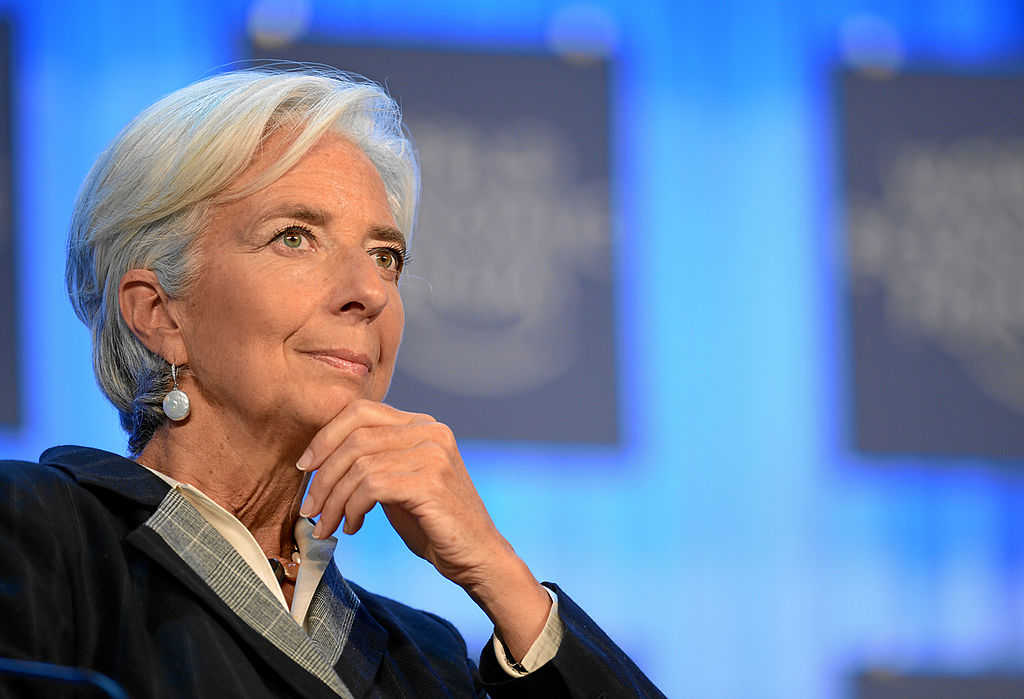
European Central Bank President Christine Lagarde said Monday that the euro could rival the U.S. dollar globally—if the European Union strengthens its financial and security frameworks. Speaking in Berlin, Lagarde emphasized that recent global shifts present a “global euro moment,” but warned that the euro must “earn” its influence through reforms.
Investor confidence in the dollar has waned due to erratic U.S. policy, prompting shifts toward gold instead of alternative currencies. Despite the dollar's share of global reserves falling to 58%, the euro remains stagnant at around 20% due to incomplete EU financial integration and political resistance to deeper unification.
Lagarde stressed that the euro's rise requires a more liquid and unified capital market, improved legal foundations, and strengthened military capabilities. Investors, particularly official ones, prioritize geopolitical security alongside economic factors, often favoring assets from militarily reliable regions.
To expand the euro's role, Lagarde urged the EU to promote the currency for international trade invoicing, forge new trade deals, enhance cross-border payments, and expand liquidity agreements via the ECB. However, domestic reforms are critical, especially addressing the euro area’s fragmented capital markets and lack of a widely available, safe asset.
Lagarde proposed joint financing of public goods, which could increase the eurozone’s supply of safe assets. Yet, this remains politically sensitive, particularly in Germany, where joint borrowing is seen as a fiscal risk.
If successful, these reforms would deliver substantial economic benefits: increased investment inflows, lower borrowing costs, protection from exchange rate volatility, and reduced vulnerability to international sanctions. Lagarde’s remarks highlight a pivotal moment for the eurozone to assert greater global financial independence.







