


 OpenAI Executive Fidji Simo to Step Down Amid Health Challenges Ahead of IPO
  Samsung Chairman Lee Jae-yong Expected to Meet Nvidia CEO Jensen Huang on AI and Chip Partnership
  SK Hynix Soars 13% in Nasdaq Debut After Record $26.5 Billion IPO
  Nvidia Tightens AI Chip Sales in Asia With Stricter Customer Approval Process
  Muji Owner Ryohin Keikaku Stock Soars After Raising Full-Year Earnings Forecast
  Morgan Stanley Names Marks & Spencer Top European Retail Pick, Sees Strong Upside
  Deutsche Bank Fined A$2 Million by ASIC Over OTC Derivatives Reporting Errors
  Mastercard Explores Sale of Majority Stake in UK Payments Firm Vocalink: Report
  Goldman AM Sees Strong Buyout Opportunities in Japan, South Korea and Australia
  TSMC Q2 Revenue Surges 36% as AI Chip Demand Powers Growth Ahead of Earnings
  Fast Retailing Raises Full-Year Forecast After Uniqlo Owner Beats Q3 Profit Estimates
  Paramount-Warner Bros. Discovery Merger Faces Lawsuit From 12 States
  Samsung to Launch First Yongin Chip Plant by 2029 as South Korea Speeds Up Semiconductor Hub
  Yaskawa Electric Shares Slide as Weak Profit Overshadows Strong AI Demand
  Nippon Paint Reportedly Offers Up to €7.5 Billion for Akzo Nobel Decorative Paints Business
  Kitron Q2 Revenue Beats Estimates as Defense Demand Lifts Growth
  SoftBank Corp Partners With Sierra to Expand AI Customer Support Across Japan


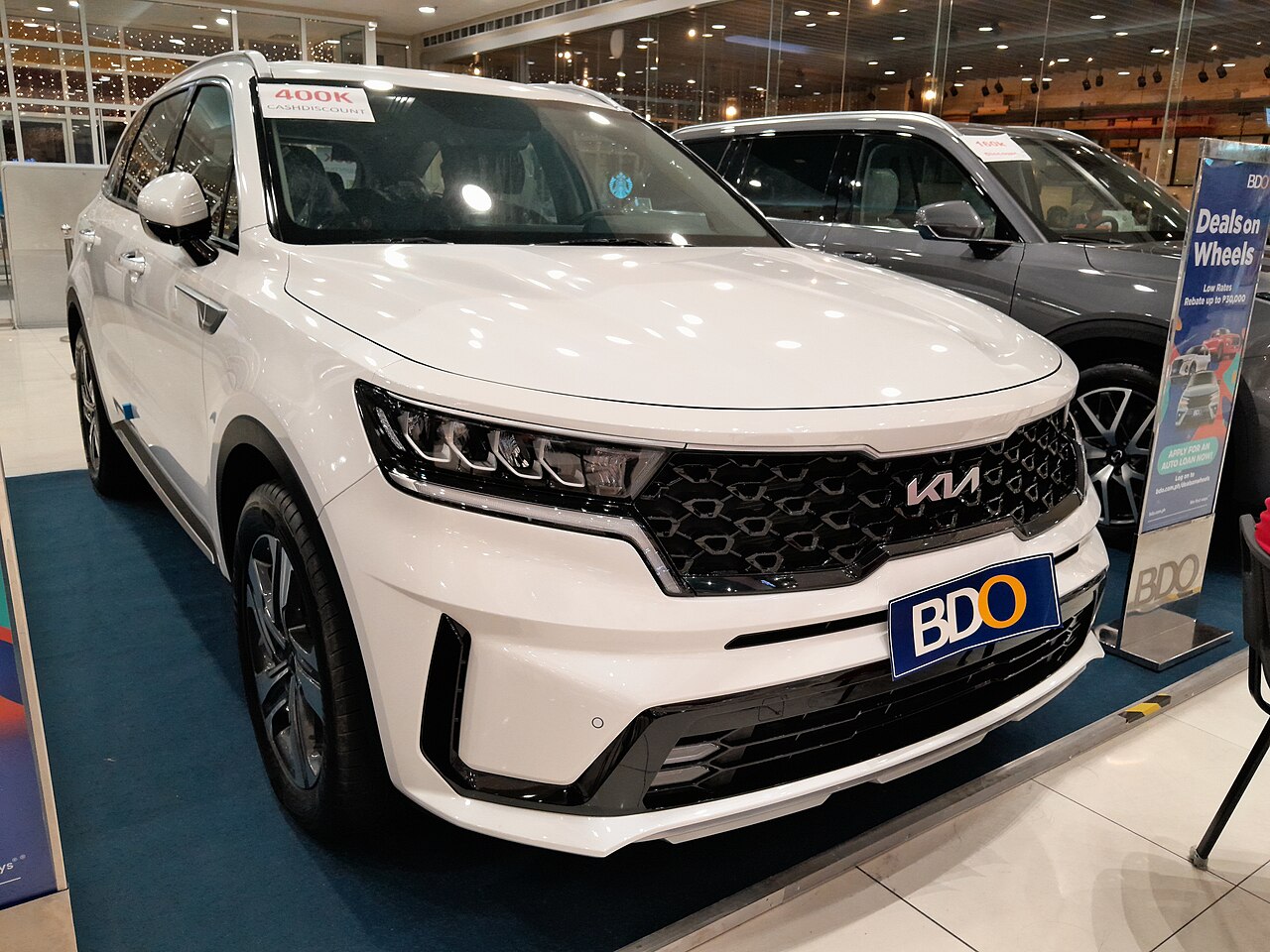
Kia Corp is tightening its pricing strategy in Europe to better compete with rapidly expanding Chinese electric vehicle (EV) brands, signaling the start of a potential price war in one of the world’s most important automotive markets. According to CEO Song Ho-sung, the South Korean automaker has reduced the price gap between its vehicles and Chinese rivals to around 15–20%, down from 20–25% in previous years, depending on the market.
This strategic adjustment comes as Chinese automakers like BYD aggressively expand into Europe amid slowing domestic demand and limited access to the U.S. market. The move has already shown results, helping Kia boost global revenue despite an overall downturn in the automotive sector. However, the company recently reported a decline in quarterly profits, partly due to increased sales incentives introduced to remain competitive in Europe.
Chinese EV brands are gaining traction quickly. BYD, for example, recorded nearly 150% growth in European registrations in March, far outpacing the broader market’s 11% growth and Kia and Hyundai’s 6% increase. This surge has forced established automakers to lower prices and roll out more affordable EV models to protect market share.
Kia believes its strong financial position will allow it to withstand pricing pressure. Meanwhile, industry dynamics in China are also shifting. Song noted that restructuring in China’s auto sector may arrive sooner than expected as government priorities pivot toward emerging technologies like artificial intelligence and robotics. Reduced subsidies for EV makers in China could weaken domestic players’ expansion capabilities over time.
Despite these challenges, Kia and its affiliate Hyundai Motor remain focused on sustainable growth and profitability. Hyundai CEO Jose Munoz emphasized that while they may not match the rapid expansion of Chinese competitors, their ability to grow independently and maintain strong margins sets them apart.
With China’s car sales dropping 18% in the first quarter and expected to remain stagnant, competition in overseas markets like Europe will likely intensify, reshaping the global EV landscape.







