


 Japanese Pharmaceutical Stocks Slide as TrumpRx.gov Launch Sparks Market Concerns
  RBI Holds Repo Rate at 5.25% as India’s Growth Outlook Strengthens After U.S. Trade Deal
  Dollar Near Two-Week High as Stock Rout, AI Concerns and Global Events Drive Market Volatility
  India–U.S. Interim Trade Pact Cuts Auto Tariffs but Leaves Tesla Out
  Vietnam’s Trade Surplus With US Jumps as Exports Surge and China Imports Hit Record
  Missouri Judge Dismisses Lawsuit Challenging Starbucks’ Diversity and Inclusion Policies
  Dow Hits 50,000 as U.S. Stocks Stage Strong Rebound Amid AI Volatility
  SoftBank Shares Slide After Arm Earnings Miss Fuels Tech Stock Sell-Off
  CK Hutchison Launches Arbitration After Panama Court Revokes Canal Port Licences
  Nvidia, ByteDance, and the U.S.-China AI Chip Standoff Over H200 Exports
  Nvidia CEO Jensen Huang Says AI Investment Boom Is Just Beginning as NVDA Shares Surge
  Amazon Stock Rebounds After Earnings as $200B Capex Plan Sparks AI Spending Debate
  Silver Prices Plunge in Asian Trade as Dollar Strength Triggers Fresh Precious Metals Sell-Off
  Trump Signs Executive Order Threatening 25% Tariffs on Countries Trading With Iran
  Uber Ordered to Pay $8.5 Million in Bellwether Sexual Assault Lawsuit
  FDA Targets Hims & Hers Over $49 Weight-Loss Pill, Raising Legal and Safety Concerns
  Fed Governor Lisa Cook Warns Inflation Risks Remain as Rates Stay Steady


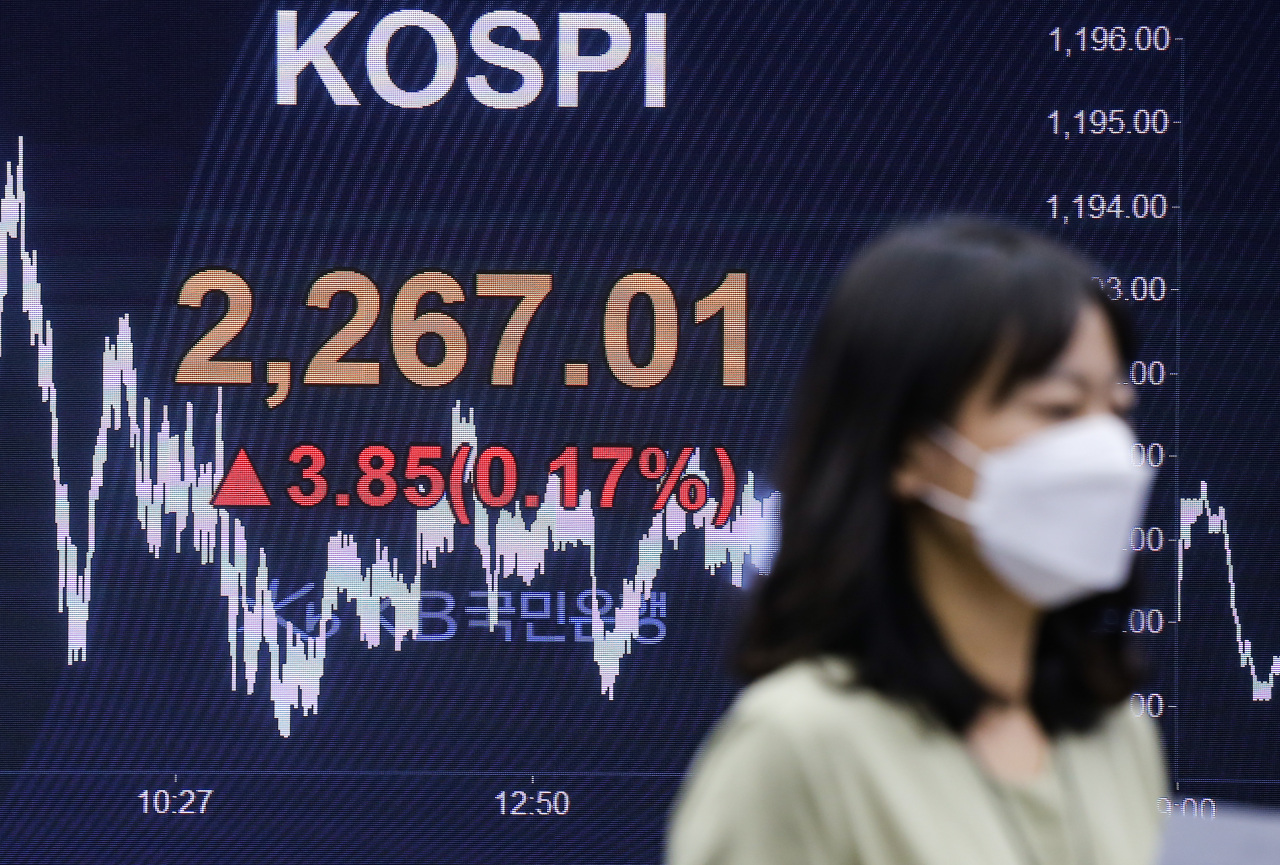
South Korean stocks ended the year 2022 down 24.9 percent to mark its first annual loss in four years due to global monetary tightening and economic recession woes.
The benchmark Korea Composite Stock Price Index (KOSPI) closed Thursday at 2,236.40 points, representing a 24.9 percent plunge for 2022.
The KOSPI got off to 2,988.77 points on its first session on Jan. 3, and had been on a downward spiral, hitting a low of 2,155.49 on Sept. 30.
The KOSPI posted a 7.7 percent jump in 2019, a 30.8 percent increase in 2020, and a 3.6 percent surge in 2021.
Along with the decline in trading volume, there has been a decline in market optimism.
The aggressive tightening of monetary policies by major central banks, particularly the US Federal Reserve, is blamed by the Korea Exchange (KRX) for the KOSPI's underwhelming performance.
The policies were aimed at fighting inflation caused by high energy prices and a post-pandemic rebound in demand.
KOSPI’s performance in 2022 ranked 25th out of the benchmark stock indexes in 27 economies, including G-20 and other Asian countries.













