


 Anthropic Sues Pentagon Over AI Blacklist, Citing Free Speech Violations
  IEA Releases Record 400 Million Barrels of Oil Amid U.S.-Iran War
  After the Iran war, Persian Gulf nations face tough decisions on the US – a former diplomat explains
  Venezuela Names Paula Henao as New Oil Minister Amid U.S.-Led Industry Overhaul
  Taiwan's MQ-9B SkyGuardian Drone Order Stays on Schedule Despite Middle East Conflict
  Trump Administration Spent $5.6 Billion in Munitions in Opening Days of Iran Strikes
  Trump-Putin Call Addresses Iran War, Ukraine Peace, and Global Oil Crisis
  Trump Announces New U.S. Oil Refinery in Texas with Indian Energy Giant Reliance
  Bipartisan Housing Bill Advances in Senate, Aims to Tackle U.S. Affordability Crisis
  Trump Doubts Iran Mining Reports as Strait of Hormuz Tensions Escalate
  U.S. and Russia Hold Diplomatic Talks in Florida Amid Ongoing Tensions
  Iran's Government Remains Stable Despite U.S. and Israeli Strikes, Intelligence Shows
  Boeing Secures $289 Million Smart Bomb Contract With Israel
  Iran-Israel War Sparks Global Oil Crisis as Tankers Burn in Gulf Waters
  Russian Drone Strikes Hit Kharkiv and Dnipro, Injuring Over 20 Civilians
  Iran Mines Strait of Hormuz: Crude Oil Prices Surge Amid Middle East Tensions


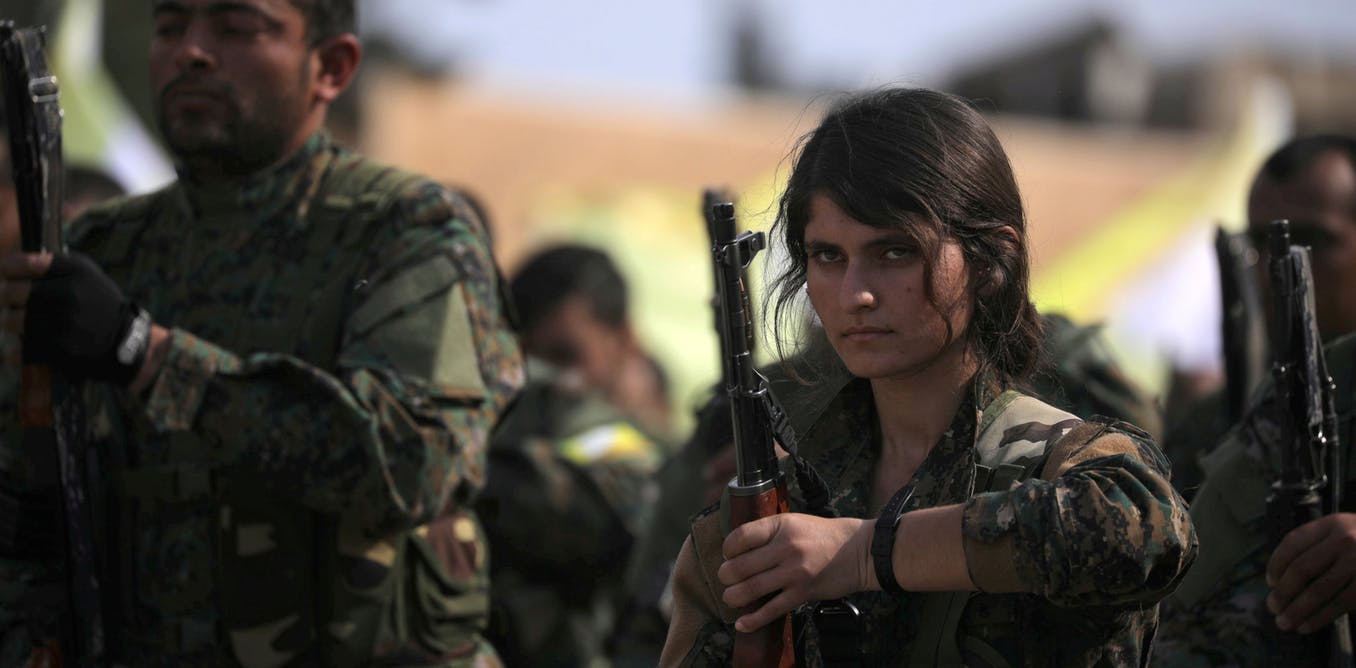
Syrian, Kurdish and U.S. officials are intensifying diplomatic efforts ahead of a year-end deadline to demonstrate progress on a long-stalled agreement to integrate Kurdish-led forces into the Syrian state, according to multiple sources familiar with the talks. While discussions have accelerated in recent days, officials caution that a comprehensive breakthrough remains unlikely.
At the center of negotiations is the Kurdish-led Syrian Democratic Forces (SDF), which controls northeastern Syria and commands roughly 50,000 fighters. The interim Syrian government has recently submitted a proposal to the SDF outlining potential terms for partial integration. According to Syrian, Kurdish and Western officials, Damascus has signaled openness to allowing the SDF to reorganize its fighters into three main divisions and smaller brigades. In return, the SDF would need to relinquish certain chains of command and permit Syrian army units to deploy in areas it currently controls.
Although some Kurdish officials say the sides are closer to an agreement than ever before, others downplay expectations of a last-minute deal. Western officials suggest that any near-term announcement may be designed largely to preserve stability, extend negotiations beyond the deadline and allow all parties to save face in a country still emerging from 14 years of war.
The talks stem from a landmark March 10 agreement that envisioned full integration of the SDF into Syria’s military and state institutions by year-end. Most sources now believe that goal will not be met on schedule. Failure to bridge this divide risks renewed conflict, potentially drawing in Turkey, which has repeatedly threatened military action against Kurdish forces it considers terrorists.
The SDF remains wary of surrendering the autonomy it gained as a key U.S. ally in the fight against Islamic State, particularly given its control over vital oil resources and detention facilities. Damascus, meanwhile, accuses the SDF of stalling, while Kurdish leaders argue that meaningful integration requires time and guarantees.
The United States has played a mediating role, relaying messages and encouraging compromise. A U.S. State Department spokesperson confirmed that Washington continues to support dialogue to maintain momentum toward integration. Kurdish officials have suggested the process could extend into mid-2026, underscoring the complexity of resolving one of Syria’s deepest remaining fractures.













