


 Samsung to Launch First Yongin Chip Plant by 2029 as South Korea Speeds Up Semiconductor Hub
  DOJ Grand Jury Investigates UAW President Shawn Fain Ahead of Union Election
  Levi Strauss Raises 2026 Outlook After Q2 Earnings Beat, Shares Drop Despite Strong Results
  SK Hynix Prices Record U.S. ADR Offering at $149 After $200 Billion Investor Demand
  AstraZeneca Shares Sink After Wainua Trial Misses Key Heart Disease Goal
  Mastercard Explores Sale of Majority Stake in UK Payments Firm Vocalink: Report
  SoftBank Corp Partners With Sierra to Expand AI Customer Support Across Japan
  Paramount-Warner Bros. Discovery Merger Faces Lawsuit From 12 States
  UBS Starts CarTrade Tech With Buy Rating, Sees Strong Earnings Growth and ₹4,000 Target
  TSMC Q2 Revenue Surges 36% as AI Chip Demand Powers Growth Ahead of Earnings
  Nvidia Tightens AI Chip Sales in Asia With Stricter Customer Approval Process
  Samsung Chairman Lee Jae-yong Expected to Meet Nvidia CEO Jensen Huang on AI and Chip Partnership
  SK Hynix Soars 13% in Nasdaq Debut After Record $26.5 Billion IPO
  Yaskawa Electric Shares Slide as Weak Profit Overshadows Strong AI Demand
  Deutsche Bank Fined A$2 Million by ASIC Over OTC Derivatives Reporting Errors
  Morgan Stanley Says China’s Reusable Rocket Progress Poses Long-Term Challenge to SpaceX
  Elon Musk Says Anthropic Leads AI Race as Claude Models Challenge OpenAI


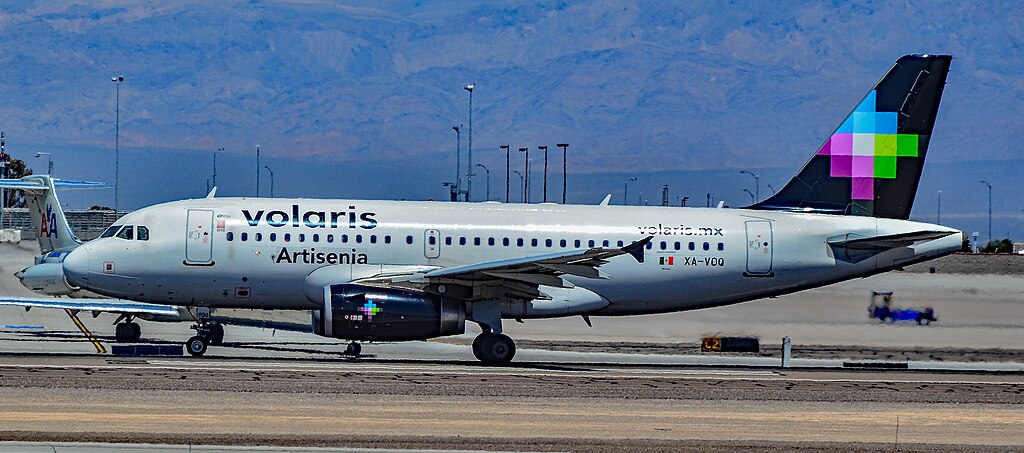
Mexico’s aviation industry is set for a major transformation after Volaris and Viva, the country’s two busiest low-cost airlines, announced an agreement to merge. The deal will create a new airline group that is expected to become the largest domestic carrier in Mexico, strengthening competition in the low-cost air travel segment while reshaping the competitive landscape dominated by Aeromexico.
Under the proposed transaction, the airlines will merge at the holding-company level while continuing to operate under their existing brands. This structure allows Volaris and Viva to preserve independent commercial strategies, routes, and brand identities, while benefiting from shared ownership, scale, and operational efficiencies. The companies confirmed that the merger aligns with an earlier Reuters report that indicated negotiations were nearing completion.
Both carriers operate all-Airbus fleets and serve similar domestic routes across Mexico, which executives say creates strong potential for cost reductions, network expansion, and improved connectivity. Volaris CEO Enrique Beltranena said the formation of the new airline group is expected to unlock significant growth opportunities for air travel in Mexico, helping stimulate demand and support broader economic growth.
The deal is structured as a merger of equals. Viva shareholders will receive newly issued shares in Volaris’ holding company, while existing Volaris shareholders will retain their stakes, resulting in a 50-50 ownership split. Shares will remain listed in both Mexico and New York. The new group’s board will include representatives from both airlines and will be chaired by Roberto Alcantara, head of Viva’s parent company IAMSA.
Regulatory approval remains a key hurdle, with antitrust authorities expected to closely scrutinize the deal. Opposition is also likely from Aeromexico, which currently controls roughly one-third of Mexico’s domestic market and leads international travel. The companies aim to close the transaction in 2026, positioning the merged group to better compete in a market facing regulatory challenges and increasing pressure from U.S. airlines, which hold more than half of Mexico’s international passenger market.







