


 Carney’s Trump Tariff Pushback Wins Canadian Support, but Economic Risks Mount
  Street Poller Media and The Boom of the Street Interview Ad Industry
  Qatar PM Heads to Tehran to Revive Iran-US Diplomacy
  Pinterest Stock Falls as CFO Julia Brau Donnelly Resigns
  Nvidia Pauses AI Cloud Financing Deals Amid Antitrust Concerns
  Trian Drops Wendy’s Take-Private Bid Plans, Shares Plunge 14%
  SK Biopharmaceuticals Secures Global Rights to Biohaven Epilepsy Drug Opakalim
  US Military Uses Laser to Shoot Down Cartel Drones at Mexico Border
  Countries Tighten Social Media Bans for Children
  Israeli Airstrike Kills Hamas Operative, Two Others in West Bank
  Bessent Defends US Yen Intervention Over Treasury Market Risks
  Toyota Global Sales Fall as China Demand Slumps
  Israel Weighs Expelling UK Officials From Gaza Coordination Center
  Trump Administration Plans New Drug Pricing Deals With Biotech Firms
  Jefferies Names AMEC Top China Semiconductor Equipment Pick
  Amazon Secures 200 MW Wind Power Deals in Sweden
  Nvidia Options Price in $280 Billion Earnings Swing


 Add as a preferred source on Google
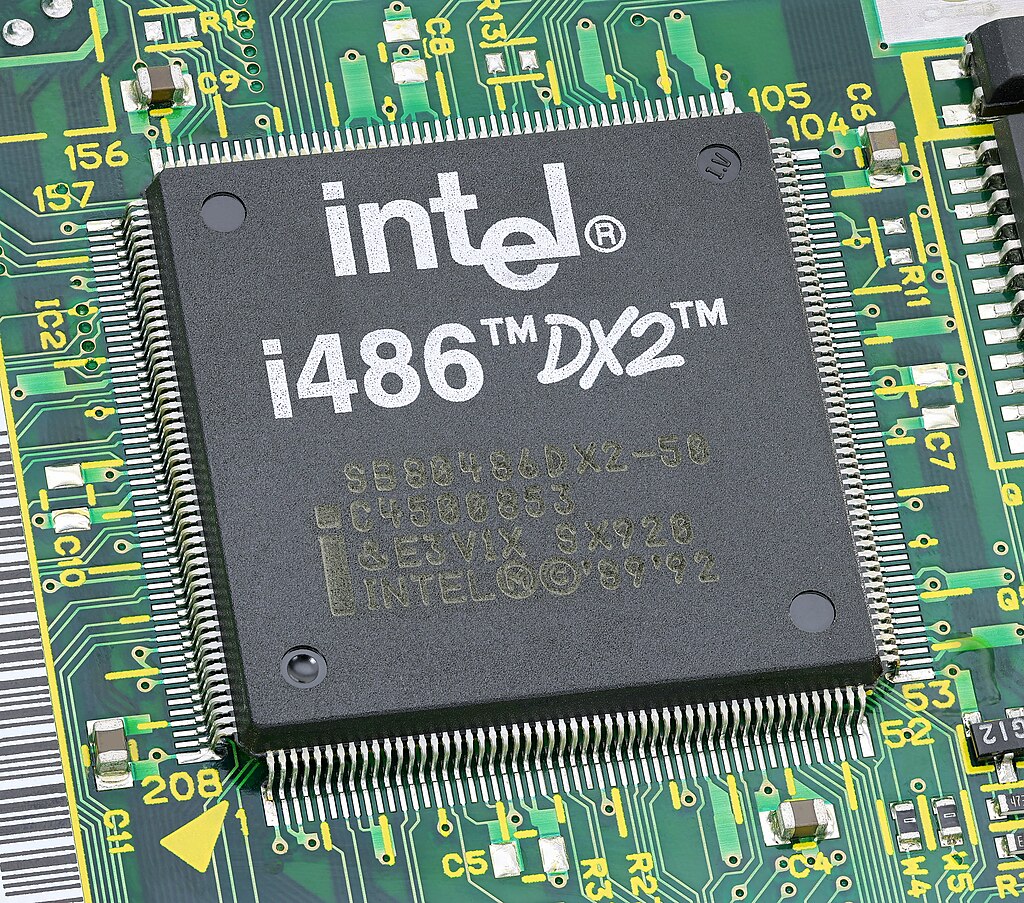
Republican lawmakers are raising alarms over potential U.S. national security risks after a Reuters report revealed that Intel evaluated advanced chipmaking equipment from ACM Research, a company with significant ties to China. The controversy centers on whether using such tools in U.S. semiconductor manufacturing could expose sensitive technology and undermine America’s technological edge.
According to Reuters, Intel tested chipmaking tools supplied by ACM Research, a Fremont, California-based firm, to assess their suitability for its most advanced manufacturing process, known as 14A. While Intel emphasized that the tools are not currently being used in production and that no regulations were violated, the revelation triggered strong reactions from lawmakers critical of China’s influence in high-tech supply chains.
Two overseas units of ACM Research were sanctioned by the U.S. government last year over allegations that they supported Chinese government efforts to leverage commercial technology for military purposes, including advanced chip production. ACM has denied these claims, and following publication of the Reuters story, shares of its Shanghai-listed unit rose sharply, reflecting heightened investor attention.
Republican Senator Marsha Blackburn warned that testing China-linked equipment in U.S. chip factories could create vulnerabilities, arguing it might allow foreign interference or compromise in America’s most advanced semiconductor capabilities. She renewed calls for legislation that would prevent chipmakers receiving U.S. government subsidies from using Chinese-made equipment in taxpayer-backed expansion projects.
Intel has sought to reassure policymakers, stating it takes national security seriously and complies fully with U.S. laws. The company highlighted strict cybersecurity protocols, limits on data access for individual tools, and continuous monitoring of manufacturing equipment communications. Intel also said it maintains ongoing dialogue with lawmakers and regulators to address concerns.
China-focused lawmakers and analysts argue that even evaluating equipment from firms with sanctioned affiliates poses risks, including potential technology transfer, displacement of trusted Western suppliers, and long-term strategic vulnerabilities. Representative John Moolenaar, chair of the House Select Committee on China, said relying on Chinese manufacturing tools could erode U.S. leadership in AI chips and advanced semiconductor technology.
The situation underscores growing tensions between national security priorities and globalized supply chains as the U.S. seeks to strengthen domestic chip manufacturing while limiting China’s access to cutting-edge technology.







