


 Gold Prices Climb Above $5,200 as Iran War Uncertainty and Inflation Data Loom
  Venezuela Names Paula Henao as New Oil Minister Amid U.S.-Led Industry Overhaul
  UK Housing Market Slows Amid Geopolitical Tensions and Mortgage Rate Fears
  Asia FX Steady as Iran War Signals and U.S. Inflation Data Weigh on Sentiment
  German Exports Drop 2.3% in January, Exceeding Forecast Decline
  Dollar Steadies as Traders Await Clarity on U.S.-Israel-Iran War
  IEA Plans Record Emergency Oil Release Amid Iran Strait of Hormuz Crisis
  ANZ and Westpac Forecast Two RBA Rate Hikes in March and May 2026
  Gold Prices Slip as U.S.-Israel-Iran War Fuels Dollar and Oil Demand
  Asian Currencies Face Pressure as U.S.-Iran Conflict Weighs on Markets
  Dollar Strengthens Amid Oil Price Surge and Inflation Fears
  RBA Rate Decision: Deputy Governor Signals Genuine Debate Ahead of March Meeting
  Diesel Price Surge Threatens Global Economy Amid Middle East Conflict
  Oil Prices Surge Toward $100/Barrel After Tanker Attacks in Iraqi Waters
  Chinese AI Stocks Surge as Tencent, MiniMax, and Zhipu Launch Agentic AI Programs
  U.S. Solar Market Contracts in 2025 as Trump Rolls Back Renewable Energy Incentives


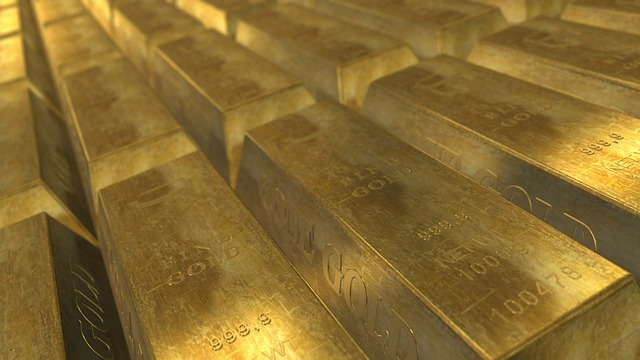
Gold prices edged slightly lower in Asian trading on Friday but were still on track to post modest weekly gains, as strong safe-haven demand continued to support the precious metals market. At the same time, silver and platinum significantly outperformed gold, remaining close to record highs and marking some of their strongest weekly performances in years. The broader rally in metal prices was fueled by softer-than-expected U.S. inflation data, which strengthened expectations of further interest rate cuts by the Federal Reserve, even as the U.S. dollar showed signs of mild recovery.
Spot gold slipped 0.1% to around $4,326 per ounce, staying close to its recent record high reached in October. Gold futures for February delivery also eased slightly, trading near $4,355 per ounce. Despite Friday’s dip, gold prices were still up roughly 0.4% for the week, reflecting ongoing investor demand for traditional safe-haven assets amid economic uncertainty.
Silver and platinum, however, stole the spotlight. Spot silver climbed about 0.5% to nearly $65.84 per ounce and was up approximately 6% for the week, extending its winning streak to a fourth consecutive week. Platinum prices also advanced, rising 0.6% to around $1,937 per ounce and posting an impressive weekly gain of more than 10%. Palladium joined the rally, surging over 14% for the week as expectations of tight supply conditions added to bullish sentiment.
Investors have increasingly favored silver and platinum in recent weeks, viewing them as attractive alternatives to gold due to their lower prices and comparable stability. Concerns over potential supply shortages for both metals in the coming year have further supported prices, especially as demand for tangible, real-world assets grows amid fears of slowing economic growth in developed economies.
The precious metals rally was reinforced by weaker U.S. consumer price index data for November, which boosted confidence that the Federal Reserve may cut interest rates further. However, some analysts cautioned that the November data may have been distorted by disruptions linked to a government shutdown, suggesting that December’s inflation reading could provide clearer guidance on the Fed’s policy outlook. Meanwhile, rising uncertainty around the U.S. economy, including an unexpected increase in unemployment, has heightened stagflation concerns and strengthened safe-haven demand across the metals market.













