


 Russian Drone Strikes Hit Kharkiv and Dnipro, Injuring Over 20 Civilians
  Trump-Putin Call Addresses Iran War, Ukraine Peace, and Global Oil Crisis
  Trump Administration Spent $5.6 Billion in Munitions in Opening Days of Iran Strikes
  Bipartisan Housing Bill Advances in Senate, Aims to Tackle U.S. Affordability Crisis
  After the Iran war, Persian Gulf nations face tough decisions on the US – a former diplomat explains
  Japan's BOJ Independence Under Fire as PM Takaichi's Rate Stance Draws Political Heat
  Trump Announces New U.S. Oil Refinery in Texas with Indian Energy Giant Reliance
  U.S. Patriot Missiles Redeployed From South Korea Amid Middle East Conflict
  Mexico's Electoral Reform Bill Fails in Congress as Coalition Fractures
  IEA Releases Record 400 Million Barrels of Oil Amid U.S.-Iran War
  Ukraine Strikes Russian Missile Component Factory in Bryansk Using British Weapons
  Iran-Israel War Sparks Global Oil Crisis as Tankers Burn in Gulf Waters
  Venezuela Names Paula Henao as New Oil Minister Amid U.S.-Led Industry Overhaul
  Iran-U.S. Oil Tensions Escalate as Revolutionary Guards Threaten Strait of Hormuz Blockade
  U.S. Calls for Reassessment of International Aid to Taliban-Ruled Afghanistan
  Iran's Government Remains Stable Despite U.S. and Israeli Strikes, Intelligence Shows
  Shots Fired at U.S. Consulate in Toronto in Suspected National Security Incident


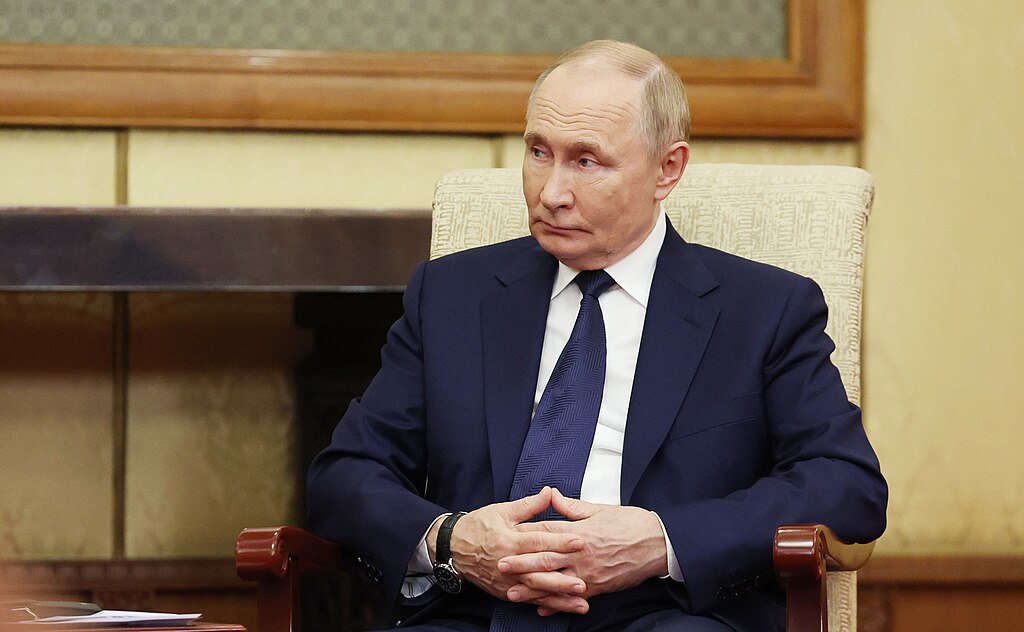
Russian President Vladimir Putin is expected to send a significant signal to the United States and European powers regarding the future of the Ukraine war when he speaks at his annual end-of-year news conference on Friday. The high-profile event, scheduled to begin at 0900 GMT, is closely watched by global leaders and analysts as it may offer insight into whether Russia is open to peace negotiations or prepared for a prolonged conflict.
Russia invaded Ukraine in February 2022 after years of fighting in eastern Ukraine, sparking the largest confrontation between Moscow and the West since the Cold War. Since then, the war has devastated Ukraine, strained European economies, and reshaped global geopolitics. Putin, who has ruled Russia since the end of 1999, will field dozens of questions during the “Results of the Year” event, covering topics ranging from domestic economic pressures to nuclear weapons and what the Kremlin refers to as its “special military operation” in Ukraine.
The speech comes at a critical moment as U.S. President Donald Trump, who has positioned himself as a peacemaker, has repeatedly expressed frustration over the lack of progress in ending the war. European leaders, however, fear that any U.S.-brokered peace deal could undermine Ukraine’s interests and leave Europe bearing the financial burden of reconstruction and security. These concerns have intensified as Russian forces reportedly advanced by 12 to 17 square kilometers per day in 2025.
European Union leaders recently agreed to borrow funds to support Ukraine’s defense for the next two years, avoiding the politically sensitive use of frozen Russian assets. Meanwhile, Putin continues to frame the war as a defining moment in Russia’s relationship with the West, accusing NATO of encroachment following the collapse of the Soviet Union.
An end to the war could potentially reintegrate resource-rich Russia into global markets and allow Washington to focus more on strategic competition with China. However, continued fighting risks further casualties, economic damage, and escalation. U.S. officials estimate that more than two million people have been killed or wounded since the war began, underscoring the immense human cost as the world awaits Putin’s next move.













