


 Trump Allows Commercial Fishing in Protected New England Waters
  Trump Signs Executive Order Threatening 25% Tariffs on Countries Trading With Iran
  Trump Says “Very Good Talks” Underway on Russia-Ukraine War as Peace Efforts Continue
  Nicaragua Ends Visa-Free Entry for Cubans, Disrupting Key Migration Route to the U.S.
  Bosnian Serb Presidential Rerun Confirms Victory for Dodik Ally Amid Allegations of Irregularities
  Federal Judge Restores Funding for Gateway Rail Tunnel Project
  Anutin’s Bhumjaithai Party Wins Thai Election, Signals Shift Toward Political Stability
  Trump’s Inflation Claims Clash With Voters’ Cost-of-Living Reality
  Trump Congratulates Japan’s First Female Prime Minister Sanae Takaichi After Historic Election Victory
  US Pushes Ukraine-Russia Peace Talks Before Summer Amid Escalating Attacks
  U.S. Lawmakers to Review Unredacted Jeffrey Epstein DOJ Files Starting Monday
  U.S.-India Trade Framework Signals Major Shift in Tariffs, Energy, and Supply Chains
  U.S. to Begin Paying UN Dues as Financial Crisis Spurs Push for Reforms
  Antonio José Seguro Poised for Landslide Win in Portugal Presidential Runoff
  New York Legalizes Medical Aid in Dying for Terminally Ill Patients
  India–U.S. Interim Trade Pact Cuts Auto Tariffs but Leaves Tesla Out
  Trump Lifts 25% Tariff on Indian Goods in Strategic U.S.–India Trade and Energy Deal


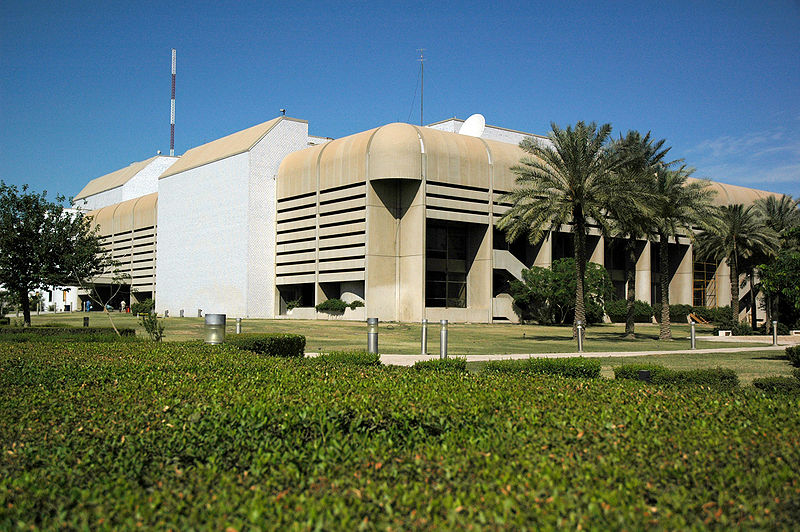
The Iraqi parliament has passed the controversial amendments to the country’s election laws this week. The amendments would potentially undermine chances for smaller parties and independent candidates to win seats in future elections.
The Iraqi parliament passed the controversial amendments to the country’s election laws this week, the amendments widely supported by the pro-Iran Coordination Framework faction. The amendments increase the size of electoral districts and reverse key provisions that were passed ahead of the 2021 election and redraw the electoral maps to return the country to having one electoral district per governorate. The legislation reportedly passed the chamber in a 206-12 vote in the 329-seat parliament.
Several Iraqi political factions and independent parliamentarians opposed the amendments and stalled the votes for weeks. Hundreds of people also took to the streets over the weekend to protest against the amendments. Independent lawmakers who opposed the law also walked out of a previous session, resulting in the postponement over the lack of a quorum.
The Coordination Framework holds the majority in the current parliament, which led to Prime Minister Mohammad Shia al-Sudani taking office last year.
The previous election law in Iraq was adopted following widespread anti-government protests in 2019. The legislation gave independent candidates and grassroots parties a good chance at winning seats in the assembly. The law and the amendments to the law in 2021 were drafted with assistance from the United Nations.
Revising the electoral law and reversing provisions that disempowered the governing parties became a priority for the new government. Iraq is set to have its provincial elections on November 6, the first local vote in 10 years.
March marked 20 years since the start of the US war in Iraq, and the Senate voted to advance legislation that would repeal the 1991 and 2002 Authorizations for the Use of Military Force which presidents have used to justify the country’s military action in the world. The legislation passed 65-28 to limit debate on the bill, which would clear the way for passage in the coming days. All 28 votes opposing the legislation were from Republicans.
Under the US Constitution, Congress has the authority to declare war.













