


 Stellantis Q2 Vehicle Shipments Rise 10% as North America Drives Growth
  Samsung Chairman Lee Jae-yong Expected to Meet Nvidia CEO Jensen Huang on AI and Chip Partnership
  Samsung to Launch First Yongin Chip Plant by 2029 as South Korea Speeds Up Semiconductor Hub
  Apple Sues OpenAI, Former Employees Over Alleged Trade Secret Theft
  Mastercard Explores Sale of Majority Stake in UK Payments Firm Vocalink: Report
  Oppenheimer Sees CNH Industrial as Top 2026 Agriculture Stock Pick on Dealer Consolidation Strategy
  Nippon Paint Reportedly Offers Up to €7.5 Billion for Akzo Nobel Decorative Paints Business
  Kitron Q2 Revenue Beats Estimates as Defense Demand Lifts Growth
  SK Hynix Prices Record U.S. ADR Offering at $149 After $200 Billion Investor Demand
  Muji Owner Ryohin Keikaku Stock Soars After Raising Full-Year Earnings Forecast
  SoftBank Corp Partners With Sierra to Expand AI Customer Support Across Japan
  Morgan Stanley Names Marks & Spencer Top European Retail Pick, Sees Strong Upside
  Yaskawa Electric Shares Slide as Weak Profit Overshadows Strong AI Demand
  AstraZeneca Shares Sink After Wainua Trial Misses Key Heart Disease Goal
  SK Hynix Shares Drop After Strong Nasdaq Debut Despite $26 Billion ADR Listing
  SK Hynix Soars 13% in Nasdaq Debut After Record $26.5 Billion IPO
  Elon Musk Says Anthropic Leads AI Race as Claude Models Challenge OpenAI


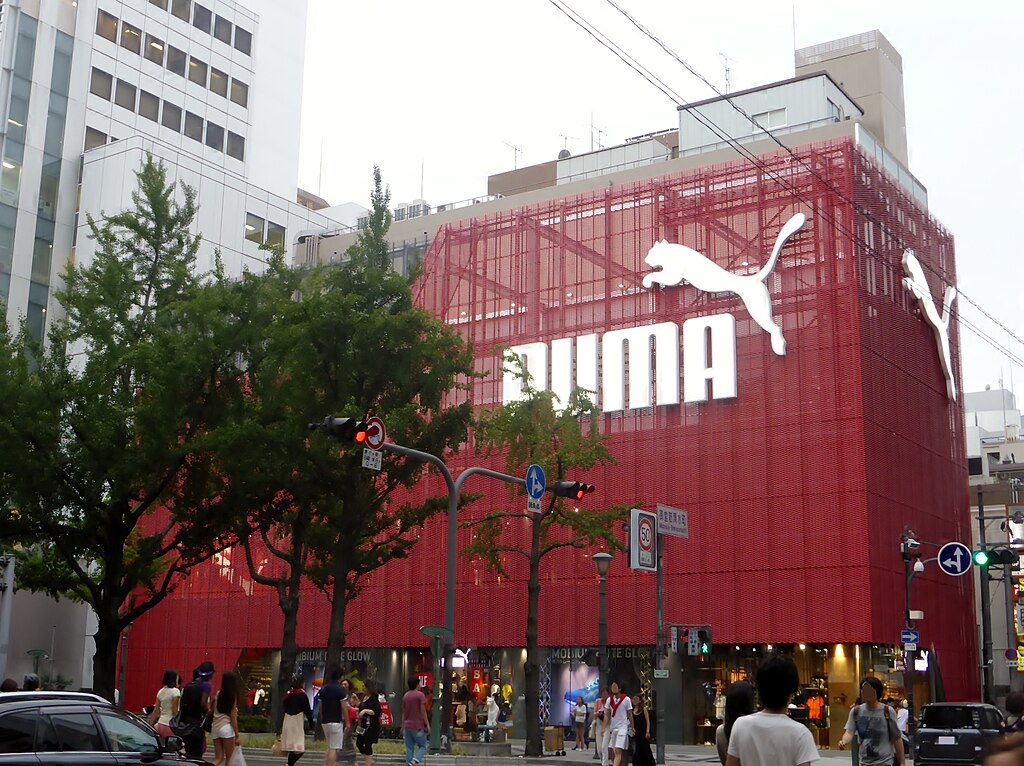
China’s leading sportswear company Anta Sports is accelerating its global ambitions through acquisitions, highlighted by its recent $1.8 billion purchase of a 29% stake in Germany’s Puma. The deal underscores Anta’s long-term strategy to build a diversified, international sportswear portfolio that spans multiple price points, categories, and regions.
Founded in Fujian province, Anta is known domestically for offering reliable, value-driven sports apparel priced significantly lower than competitors like Nike. Over the past decade, the company has transformed from a mass-market Chinese brand into a global sportswear conglomerate. By 2025, Anta commanded around 23% of China’s sportswear market, overtaking both Nike and Adidas, and reached a market valuation of approximately $28 billion, ranking it among the world’s top three sportswear companies.
Chairman and founder Ding Shizong has consistently emphasized that his goal is not to create “the Nike of China,” but rather “the Anta of the world.” That vision has been driven by a steady acquisition strategy. Anta’s brand portfolio now includes Fila in China and parts of Southeast Asia, premium outdoor labels such as Descente, Kolon Sport, and Jack Wolfskin, women’s activewear brand MAIA Active, and global sports equipment names under Amer Sports.
Anta’s 2018 acquisition of Amer Sports for $6.29 billion proved pivotal. Brands like Arc’teryx, Salomon, and Wilson have since experienced rapid growth, particularly in China, supported by Anta’s expertise in local retail expansion and direct-to-consumer strategies. Arc’teryx alone operates more than 70 stores in Greater China, contributing to annual regional growth exceeding 40%.
The Puma investment fills a strategic gap in Anta’s portfolio by adding a globally recognized, mass-market brand with strong presence in Europe and the United States. Puma currently generates only a small portion of its revenue from China, a market analysts believe has been underdeveloped. With Anta’s operational playbook, Puma is expected to benefit from increased investment, improved retail experiences, and stronger brand positioning in China.
As Anta’s domestic market approaches saturation, the company is expanding aggressively overseas, particularly in Southeast Asia and the United States. While Anta’s own brand faces challenges gaining Western recognition, partnerships like Puma provide a faster route to global scale, reinforcing Anta’s ambition to become the world’s largest sportswear group.







