


 US-Iran Conflict Escalates Amid Oil Blockade and Rising Global Tensions
  King Charles and Queen Camilla Honor 9/11 Victims During New York Visit Amid US-UK Tensions
  Trump Administration Dismisses Entire National Science Board, Raising Concerns Over Scientific Independence
  Ghana Rejects U.S. Health Deal Over Data Sharing Concerns Amid Foreign Aid Shift
  US House Advances $70 Billion Immigration Enforcement Budget Plan
  Trump Administration Files Fraud Charges Against Southern Poverty Law Center Over Informant Payments
  Federal Appeals Court Allows Texas SB4 Immigration Law Enforcement to Proceed
  Taiwan Activates Backup Communications After Undersea Cable Break on Dongyin Island
  Former FBI Director James Comey Charged Over Alleged Threat Against President
  US Freezes $344M in Crypto Linked to Iran Amid Escalating Sanctions
  Trump Meets King Charles: “Two Kings” Moment Sparks Debate on Presidential Power
  Trump to Receive Briefing on Potential U.S. Military Action Against Iran
  China Food Delivery Stocks Dip as Regulators Crack Down on “Ghost Deliveries”
  US Proposes Maritime Freedom Construct to Secure Strait of Hormuz Shipping
  U.S. Sanctions Target Chinese Refinery Over Iranian Oil Purchases
  Google Secures Pentagon AI Deal for Classified Projects
  Trump-Iran Conflict Escalates as Nuclear Talks Stall and Oil Prices Surge


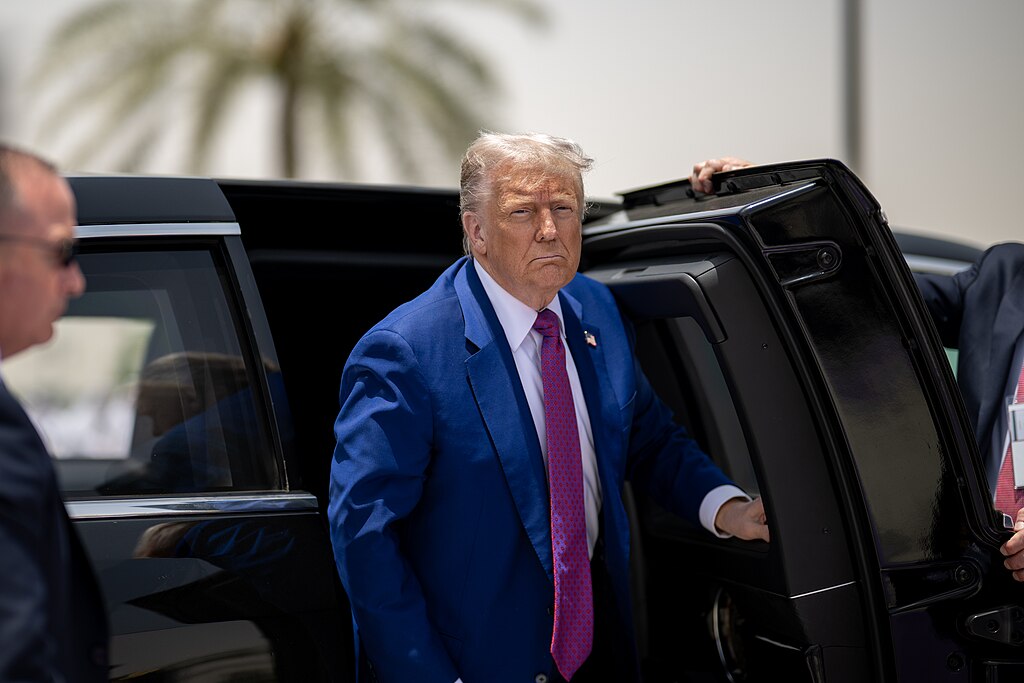
U.S. President Donald Trump has signed a proclamation permitting commercial fishing in a previously restricted marine protected area off the coast of New England, a move that has sparked renewed debate over ocean conservation, fishing industry access, and federal environmental policy. According to the White House, the proclamation affects the Northeast Canyons and Seamounts Marine National Monument, a vast underwater region in the Atlantic Ocean that was designated as a protected area in 2016.
The Northeast Canyons and Seamounts Marine National Monument is known for its deep-sea canyons, underwater mountains, and diverse marine ecosystems that include whales, dolphins, corals, and numerous fish species. Under prior protections, commercial fishing activities were largely prohibited in order to preserve the fragile habitat and promote long-term ecological health. The Trump administration, however, has argued that such restrictions are no longer necessary.
In its statement, the White House said the “prohibition on commercial fishing is not, at this time, necessary for proper care, management” of the monument. The administration emphasized that the change aims to balance environmental stewardship with economic opportunity, particularly for commercial fishing communities in New England that have long pushed for access to the area. Supporters of the proclamation say it could help strengthen the regional fishing industry, protect jobs, and allow for sustainable use of ocean resources.
Environmental groups and conservation advocates have expressed strong opposition to the decision, warning that opening the monument to commercial fishing could threaten vulnerable marine species and damage habitats that take decades or centuries to recover. They argue that marine national monuments play a critical role in protecting biodiversity, supporting climate resilience, and serving as scientific research areas. Critics also contend that the monument was never a significant barrier to the fishing economy, as most commercial fishing already occurs outside its boundaries.
The decision highlights the ongoing tension between conservation efforts and commercial interests in U.S. ocean policy. As debates over marine protection, sustainable fishing, and environmental regulation continue, the future management of the Northeast Canyons and Seamounts Marine National Monument is likely to remain a closely watched issue among policymakers, industry leaders, and environmental advocates alike.







