


 Trump Signs Executive Order Threatening 25% Tariffs on Countries Trading With Iran
  Jack Lang Resigns as Head of Arab World Institute Amid Epstein Controversy
  Pentagon Ends Military Education Programs With Harvard University
  South Korea Assures U.S. on Trade Deal Commitments Amid Tariff Concerns
  New York Legalizes Medical Aid in Dying for Terminally Ill Patients
  Ohio Man Indicted for Alleged Threat Against Vice President JD Vance, Faces Additional Federal Charges
  Federal Judge Restores Funding for Gateway Rail Tunnel Project
  Norway Opens Corruption Probe Into Former PM and Nobel Committee Chair Thorbjoern Jagland Over Epstein Links
  U.S.-India Trade Framework Signals Major Shift in Tariffs, Energy, and Supply Chains
  US Pushes Ukraine-Russia Peace Talks Before Summer Amid Escalating Attacks
  India–U.S. Interim Trade Pact Cuts Auto Tariffs but Leaves Tesla Out
  U.S. to Begin Paying UN Dues as Financial Crisis Spurs Push for Reforms
  Japan Election 2026: Sanae Takaichi Poised for Landslide Win Despite Record Snowfall
  Nighttime Shelling Causes Serious Damage in Russia’s Belgorod Region Near Ukraine Border
  Trump Lifts 25% Tariff on Indian Goods in Strategic U.S.–India Trade and Energy Deal
  Trump Signs “America First Arms Transfer Strategy” to Prioritize U.S. Weapons Sales
  TrumpRx Website Launches to Offer Discounted Prescription Drugs for Cash-Paying Americans


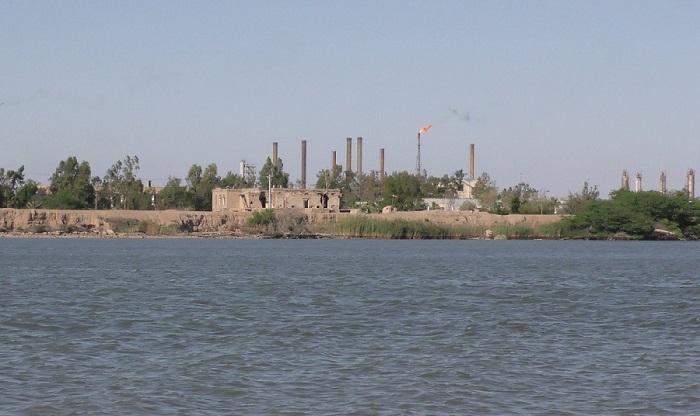
Iraq and Iran signed a deal to strengthen border security between the two neighboring countries over the weekend. The agreement is an effort to tighten security near Iraq’s Kurdish region, as Iran says armed Kurdish dissidents are posing a threat to its security.
Iranian Supreme National Security Council secretary Ali Shamkhani signed a border security deal with Iraqi National Security Adviser Qasim Al-Araji on Sunday, with Iraqi Prime Minister Mohammed Shia al-Sudani overseeing the deal, according to the Iraqi prime minister’s office. The joint deal includes coordination in “protecting the common borders between the two countries and consolidating cooperation in several security fields.”
“Under the signed security deal, Iraq pledges it would not allow armed groups to use its territory in the Iraqi Kurdish region to launch any border-crossing attacks on neighbor Iran,” according to an Iraqi security official who attended the event.
The region was placed in the spotlight in 2022 when the Iranian Revolutionary Guards launched missile and drone attacks against the Iranian Kurdish groups that are based in northern Iraq. The groups were accused of fomenting the widespread protests in Iran that followed after the death of Kurdish Iranian Mahsa Amini in the custody of the morality police after she was arrested for allegedly flouting the Islamic dress code.
“Shamkhani’s current trip to Iraq has been planned since four months and is focused on issues related to the armed groups in northern Iraq,” said Iranian foreign minister Hossein Amirabdollahian.
Tehran has also accused Kurdish militants of working with its adversary Israel and has often alleged that there is the presence of Israeli intelligence agency Mossad in the Kurdish region of Iraq.
Meanwhile, Iranian President Ebrahim Raisi also received an invitation from Saudi King Salman to visit Riyadh following the deal that saw the reconciliation of the two countries, according to an Iranian official. Iran and Saudi Arabia announced last week a China-brokered deal to restore ties after cutting off relations seven years ago in 2016. Saudi Arabia severed relations with Iran after Iranian protesters attacked Saudi’s diplomatic mission after the Saudi execution of Shia cleric Nimr al-Nimr.
The deal expects to have Iran and Saudi Arabia reopen their embassies and missions to each other’s countries in two months and implement security and cooperation deals that were signed over 20 years ago.













