


 Trump Rejects Iran Proposal as War Tensions Push Oil Prices Higher
  Asian Currencies Rise Ahead of BOJ and Fed Meetings as Dollar Softens
  Trump Urges Iran to Call for Talks as War Stalemate Disrupts Oil Markets
  King Charles and Queen Camilla Visit the U.S. Amid Political Tensions and Historic Milestone
  Asian Stock Markets Rally as Japan and South Korea Hit Record Highs Amid Oil Price Concerns
  Wall Street Futures Rise as Trump Discusses Iran’s Hormuz Strait Proposal and Tech Earnings Loom
  King Charles Reaffirms UK-US Alliance Amid Global Tensions
  U.S. Envoy Julie Davis to Retire Amid Ukraine War Diplomacy Challenges
  China’s Ultra-Cheap EV Boom: Why Electric Cars Cost Far Less Than in the U.S.
  Yen Strengthens as BOJ Signals Rate Hikes; Asian Currencies Slip Ahead of Fed Meeting
  U.S. Stock Futures Edge Higher Ahead of Big Tech Earnings and Fed Decision
  King Charles Addresses U.S. Congress, Emphasizes UK-US Alliance Amid Political Tensions
  Oil Prices Rise Amid U.S.-Iran Tensions and Strait of Hormuz Deadlock
  Ukraine Faces Pressure to Introduce VAT on Low-Value Imports to Secure IMF Funding
  European Stocks Slip as U.S.-Iran Tensions and Earnings Season Weigh on Markets
  U.S. and EU Strengthen Critical Minerals Partnership to Reduce China Dependence
  Erdogan Condemns White House Correspondents’ Dinner Shooting, Voices Support for Trump


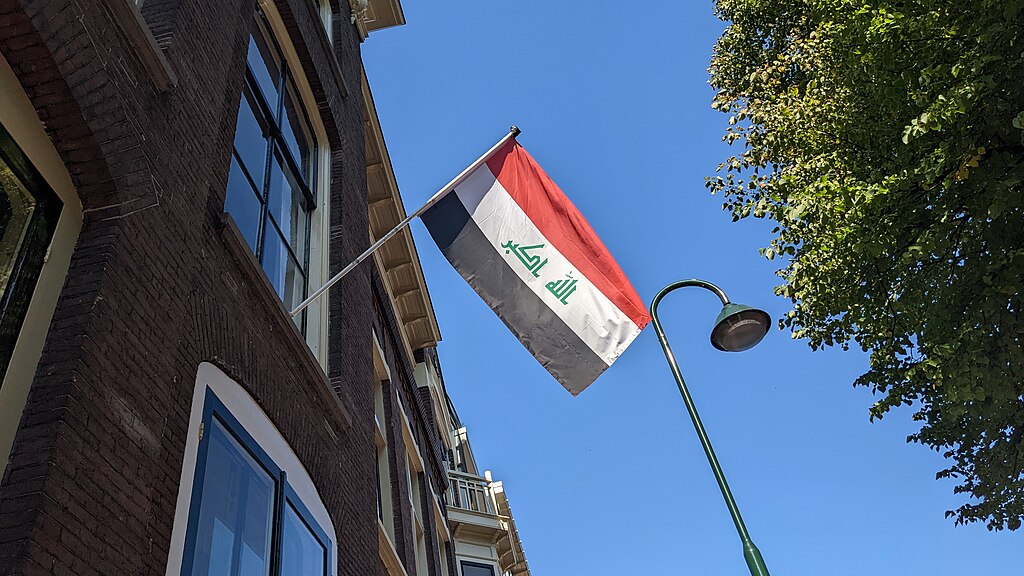
Iraq has confirmed it has no intention of leaving OPEC or OPEC+, according to a Reuters report citing two Iraqi oil officials. The statement comes shortly after the United Arab Emirates (UAE) announced its decision to withdraw from both organizations, a move that has raised concerns across global oil markets. Iraq emphasized its continued support for a strong and unified OPEC, highlighting the group’s role in maintaining stable and sustainable oil prices during a time of economic uncertainty.
The Iraqi officials noted that remaining within OPEC and OPEC+ aligns with the country’s long-term energy strategy. By cooperating with major oil-producing nations, Iraq aims to contribute to balanced supply levels and avoid extreme price volatility. This stance reflects Iraq’s broader commitment to global energy stability, especially as geopolitical risks continue to disrupt markets.
In contrast, the UAE’s decision to exit OPEC and OPEC+ represents a significant shift in the dynamics of the oil-producing alliance. The move is widely seen as a challenge to the influence of Saudi Arabia, which has traditionally acted as the group’s leading force. Analysts suggest that the UAE’s departure could impact future production agreements and weaken collective decision-making within the organization.
The timing of the UAE’s exit is particularly notable, as it coincides with heightened geopolitical tensions linked to the Iran conflict. The ongoing crisis has triggered a major energy shock, contributing to fluctuations in oil supply and increasing pressure on the global economy. In this volatile environment, Iraq’s decision to remain in OPEC underscores its preference for cooperation and market stability.
As oil markets continue to react to shifting alliances and geopolitical developments, Iraq’s firm commitment to OPEC and OPEC+ signals a desire to uphold coordinated production policies. This approach may help cushion the impact of external shocks and maintain investor confidence in the global energy sector.







