


 Trump Suspends Some Morocco Fertilizer Tariffs to Ease U.S. Supply Shortage
  Iran Launches Drone Attack on Bahrain After U.S. Strikes, Strait of Hormuz Tensions Escalate
  Mexico, U.S. Launch Sterile Fly Facility to Combat New World Screwworm Outbreak
  Serbia Protests Continue as Thousands Rally Despite Vucic’s Resignation Plan
  Ukraine Strikes Russian Titan-Barrikady Plant With Long-Range FP-5 Flamingo Missile
  Sheinbaum Says No One Is Above the Law After Abuse Video of Ex-Pemex Chief Emerges
  Israeli Airstrike Kills Three in Central Gaza Despite Ceasefire
  China Expands Export Controls, Adds 20 Japanese Companies to Restricted List
  Trump Urges Gasoline Retailers to Cut Prices to $2.50 Per Gallon, Warns of Legal Action
  Despite its best efforts, Iran won’t be able to toll the Strait of Hormuz. Here’s why
  Australia Plans Higher Fines for Social Media Firms Failing to Block Underage Users
  Russian Attacks on Dnipro, Zaporizhzhia, and Kharkiv Kill 10 as Ukraine Vows Response
  Trump Questions Housing Bill as He Prioritizes SAVE America Act
  Australia, Vanuatu Sign Security Pact Amid Pacific Influence Competition
  US, Iran Agree to Halt Attacks Ahead of Doha Talks on Strait of Hormuz


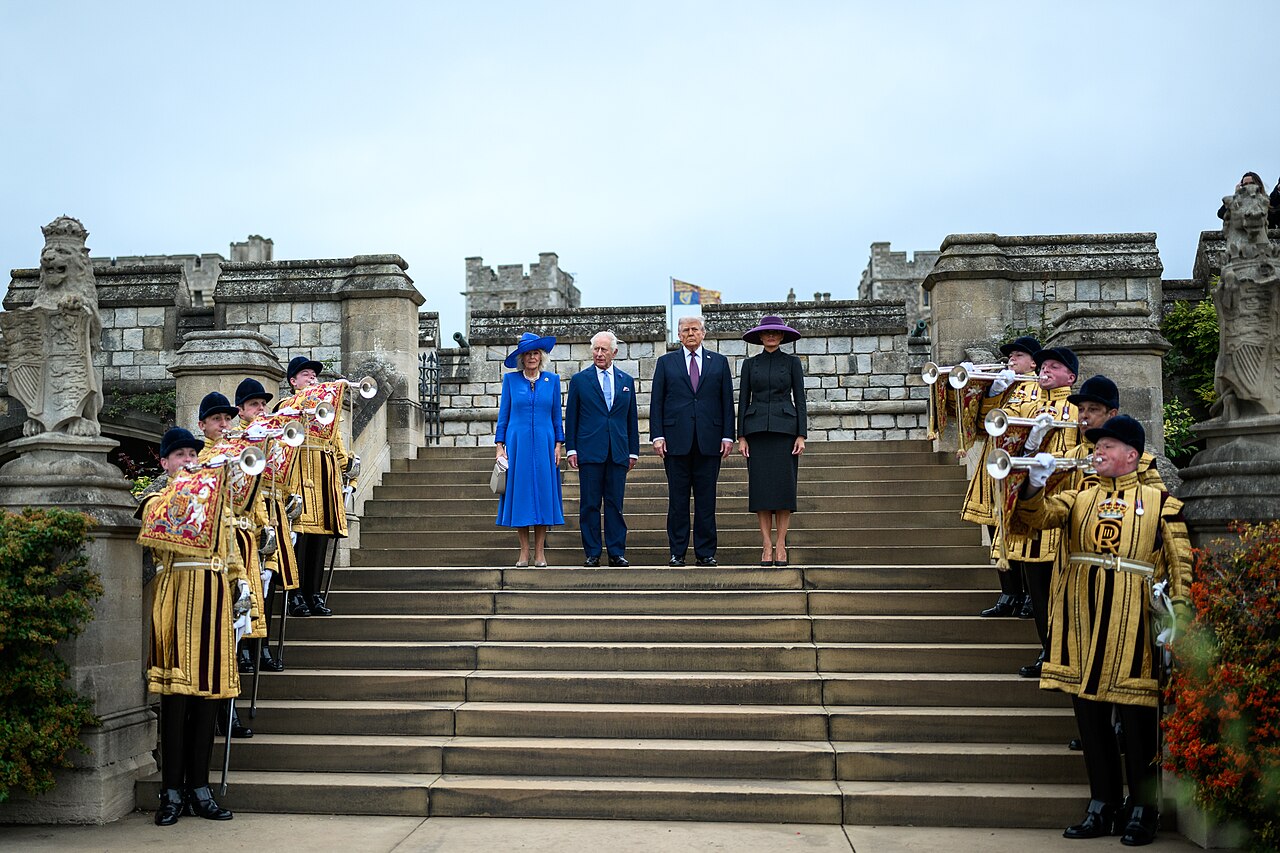
King Charles III delivered a historic speech to the U.S. Congress, emphasizing the enduring strength of the UK-US alliance during a period marked by geopolitical uncertainty and strained relations. Addressing lawmakers, the British monarch highlighted the importance of unity in defending democracy, particularly amid ongoing conflicts in Europe and the Middle East. He acknowledged that while differences may arise between the two nations, their shared commitment to security, freedom, and global stability remains unshaken .
In his address, King Charles subtly referenced concerns surrounding NATO, Ukraine, and rising isolationist sentiments. Stressing the need for continued support for Ukraine in its conflict with Russia, he reminded Congress of the long-standing partnership between the UK and the U.S., citing cooperation through major historical events such as World War II and the fight against terrorism. His remarks appeared to counter growing political debates over reduced international involvement, reinforcing the importance of global collaboration.
The king also touched on environmental protection, urging leaders to prioritize sustainability and safeguard natural resources for future generations. This message reflects his long-standing advocacy for environmental issues, although it received mixed reactions among U.S. political figures.
During his state visit, King Charles engaged with prominent technology leaders, including executives from major global companies, to discuss innovation and challenges facing startups, particularly those emerging from academic research. The UK continues to position itself as a leading destination for tech investment and entrepreneurship.
The visit comes at a delicate time in UK-US relations, with tensions linked to international conflicts and political disagreements. Despite this, both King Charles and U.S. leaders emphasized the deep-rooted friendship between the two nations. The monarch’s speech ultimately reinforced the message that cooperation, shared values, and mutual respect remain central to the transatlantic relationship.







