


 Japan Targets 1%+ Real Economic Growth With ¥370 Trillion Investment Plan
  World Bank Approves $1.1 Billion Emergency Funding for Bangladesh Amid Food and Energy Price Pressures
  Gold Prices Drop as Fed Rate Outlook and Iran Tensions Weigh on Market
  RBA Minutes Signal Australia Central Bank Remains Ready to Raise Interest Rates if Inflation Persists
  Dollar Slips Ahead of Key U.S. Jobs Data as Fed Rate Outlook, ECB, and Iran Talks Shape Forex Markets
  Global Financial Firms Shift Asia Expansion Focus to South Korea as China, India Face Caution
  Canada Grants C$7 Million to Greenland Molybdenum Mine to Strengthen Critical Minerals Supply
  Trump Threatens 100% Tariffs on Countries Imposing Digital Services Taxes on U.S. Tech Firms
  China Factory PMI Seen Returning to Growth in June as AI Export Demand Supports Economy
  Oil Prices Slip as U.S.-Iran Peace Talks and Strait of Hormuz Risks Keep Markets on Edge
  Asian Stocks Slip as US-Iran Ceasefire Hopes Lift Oil, Dollar Strength Persists
  Oil Prices Rise as US-Iran Tensions Threaten Strait of Hormuz Oil Shipments
  US Stock Futures Rise as US-Iran Ceasefire Hopes Boost Market Sentiment
  US Dollar Slips After PCE Inflation Data as Fed Rate Hike Expectations Stay Elevated
  Argentina Economy Shrinks 1.5% in April, Recovery Under Milei Loses Momentum
  Trump Questions Housing Bill as He Prioritizes SAVE America Act


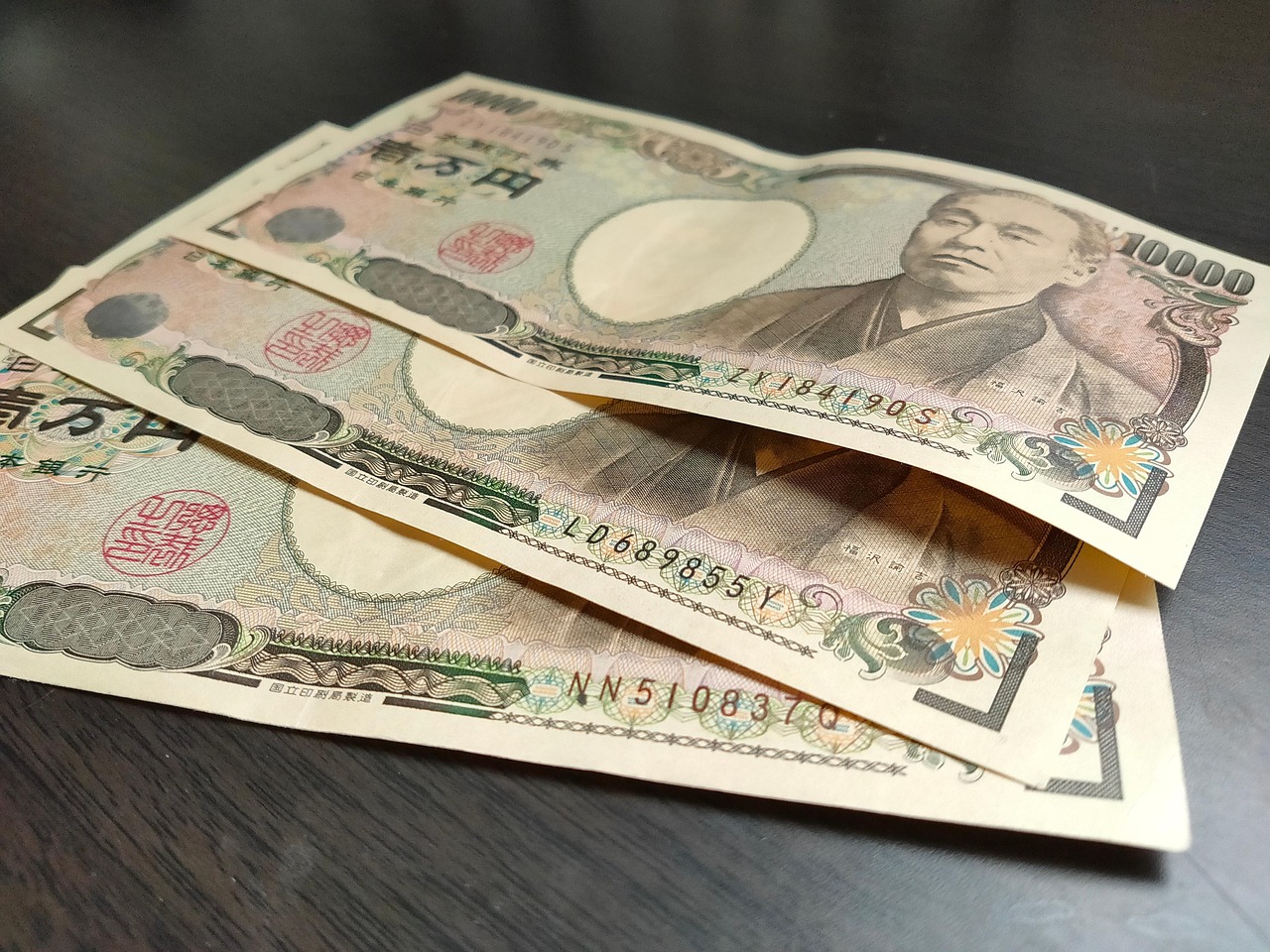
The Japanese yen strengthened on Tuesday after the Bank of Japan (BOJ) maintained its interest rates but hinted at potential rate hikes amid rising inflation risks. The USD/JPY pair declined by 0.2%, hovering near the 159 level, as markets reacted to the central bank’s increasingly hawkish outlook. Although the BOJ kept rates steady at 0.75%, the decision revealed internal divisions, with three out of nine policymakers supporting an immediate rate increase.
The BOJ also revised its economic projections, lowering growth forecasts while sharply increasing inflation expectations. Officials now anticipate inflation to exceed the 2% target by 2026, driven largely by higher oil prices linked to ongoing geopolitical tensions in the Middle East. Analysts suggest that this shift in tone could lead to a 25 basis point rate hike as early as June, signaling a tighter monetary policy stance.
Meanwhile, broader Asian currencies weakened as investor sentiment remained fragile due to persistent uncertainty surrounding U.S.-Iran relations. Reports indicated continued disagreements over Iran’s nuclear activities and proposals to reopen the Strait of Hormuz, keeping global markets cautious. Rising oil prices, fueled by supply concerns, further pressured risk-sensitive currencies across the region.
The U.S. dollar remained relatively stable ahead of the Federal Reserve’s upcoming policy meeting, where interest rates are widely expected to remain unchanged. This meeting is likely to be Federal Reserve Chair Jerome Powell’s last, adding another layer of market focus. Speculation is also growing around Kevin Warsh’s potential appointment as the next Fed chair.
In Asia, currency movements reflected the cautious environment. The Indian rupee weakened, with USD/INR rising 0.3%, while the South Korean won edged lower. The Australian dollar remained flat ahead of key inflation data, and the Chinese yuan saw slight declines as traders awaited upcoming PMI figures. Overall, forex markets remain driven by central bank signals, geopolitical risks, and commodity price trends.







