


 US Dollar Slips After PCE Inflation Data as Fed Rate Hike Expectations Stay Elevated
  Economic pessimism has set in – but there are reasons for Australians to be hopeful
  Trump Questions Housing Bill as He Prioritizes SAVE America Act
  Yen Falls to 40-Year Low as Markets Watch Japan Intervention and U.S. Jobs Report
  World Bank Approves $1.1 Billion Emergency Funding for Bangladesh Amid Food and Energy Price Pressures
  US Stock Futures Rise as US-Iran Ceasefire Hopes Boost Market Sentiment
  Argentina Economy Shrinks 1.5% in April, Recovery Under Milei Loses Momentum
  Canada Grants C$7 Million to Greenland Molybdenum Mine to Strengthen Critical Minerals Supply
  Asian Currencies Stay Range-Bound as Investors Eye China Data, RBNZ Outlook and U.S.-Iran Ceasefire
  RBA Minutes Signal Australia Central Bank Remains Ready to Raise Interest Rates if Inflation Persists
  Trump Suspends Some Morocco Fertilizer Tariffs to Ease U.S. Supply Shortage
  Dollar Slips Ahead of Key U.S. Jobs Data as Fed Rate Outlook, ECB, and Iran Talks Shape Forex Markets
  Oil Prices Slip as U.S.-Iran Peace Talks and Strait of Hormuz Risks Keep Markets on Edge
  Gold Price Hits Annual Low as Fed Rate Hike Bets and Sticky Inflation Weigh on Bullion
  Asian Stocks End Strong Quarter as Dollar Surges, Yen Hits 40-Year Low Ahead of US Jobs Data
  Gold Price Falls as Fed Rate Hike Fears and U.S.-Iran Tensions Weigh on Bullion
  Trump Threatens 100% Tariffs on Countries Imposing Digital Services Taxes on U.S. Tech Firms


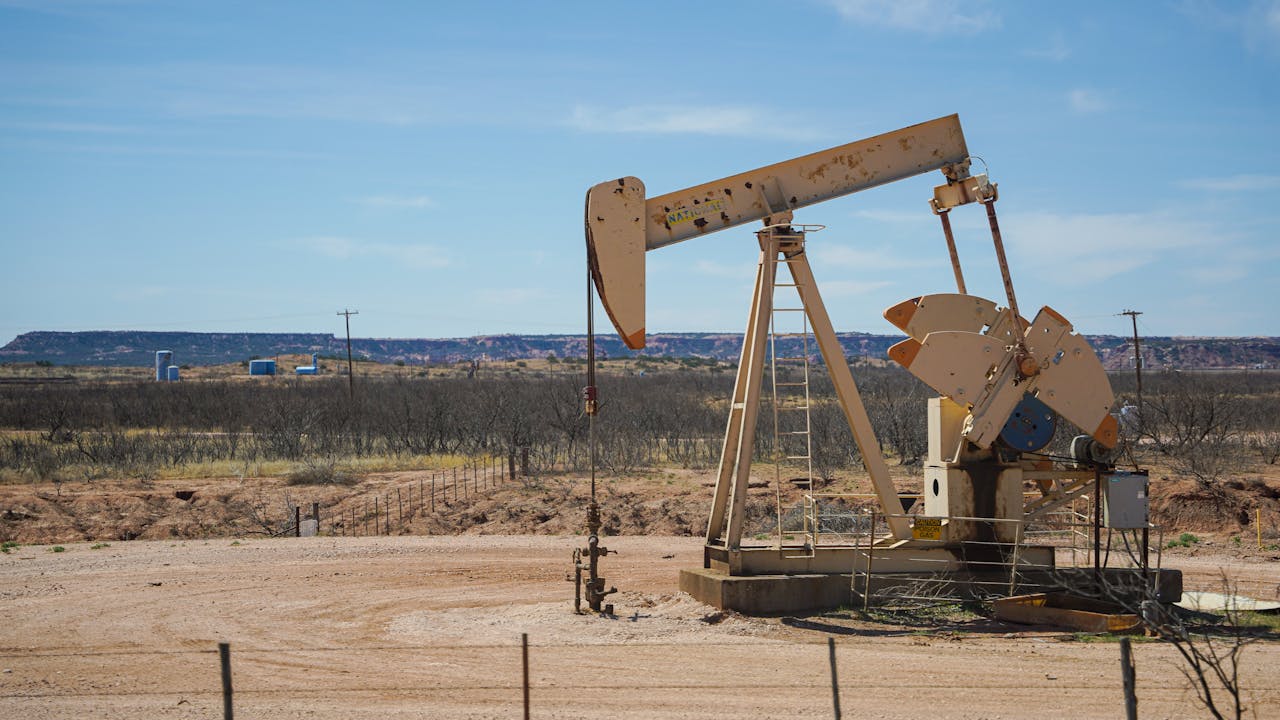
Oil prices moved higher during Asian trading on Tuesday as geopolitical tensions between the United States and Iran continued to weigh on global energy markets. The ongoing stalemate over the Strait of Hormuz, a critical oil shipping route, has heightened concerns about supply disruptions and supported crude prices.
Brent crude futures climbed 1% to $109.34 per barrel, while West Texas Intermediate (WTI) crude gained 0.9% to reach $97.28 per barrel. This follows a strong rally in the previous session, where both benchmarks surged between 2% and 3%, driven by fears of tightening oil supply.
Recent reports indicate that U.S. President Donald Trump remains dissatisfied with Iran’s proposal to reopen the Strait of Hormuz. While Tehran reportedly suggested resuming access to the vital passage, the proposal included delaying discussions on its nuclear program—an issue that remains a top priority for Washington. The U.S. has consistently emphasized halting Iran’s nuclear enrichment activities and preventing potential weapon development, making the postponement a major sticking point.
The Strait of Hormuz remains largely closed, significantly restricting global oil flows and sustaining upward pressure on prices. Meanwhile, the U.S. naval blockade on Iran continues, further limiting the country’s oil exports. Attempts to restart negotiations, including Pakistan-mediated talks, have stalled, leaving the outlook for diplomatic progress uncertain.
Adding to supply concerns, U.S. Treasury Secretary Scott Bessent warned that Iran’s oil industry could face a severe downturn due to the blockade. With exports constrained and storage capacity nearing its limits, Iran may be forced to reduce production significantly. Reports also suggest the country could soon experience gasoline shortages as the situation intensifies.
Investors are also closely watching upcoming central bank meetings in the U.S. and Japan, as rising oil prices may contribute to inflationary pressures. Overall, the combination of geopolitical risks and constrained supply continues to drive volatility in global oil markets.







