


 Havana Protests Erupt as Cuba Faces Severe Blackouts and Fuel Crisis
  Trump, Xi Begin High-Stakes China Summit Focused on Trade, Taiwan and Global Tensions
  Trump Pushes China Market Access During High-Stakes Xi Summit
  US-China Trade Talks Sideline Chip Export Controls as Nvidia China Sales Draw Attention
  Macron Faces Political Test Over Bank of France Nomination Ahead of 2027 Election
  US Plans Imminent Indictment of Cuba’s Raul Castro Over 1996 Plane Shootdown
  ICC Pressure Mounts as Families of Duterte Drug War Victims Demand Justice
  Taiwan Independence Debate: China, U.S., and Taipei Tensions Explained
  Starmer Faces Leadership Crisis as Wes Streeting Reportedly Considers Challenge
  Russian Border Drone Attack Leaves One Dead in Belgorod Region
  Japan Considers Extra Budget Aid Amid Rising Fuel and Utility Costs
  US Expects China to Boost Purchases of American Farm Products After Trump-Xi Summit
  Trump Says China to Boost U.S. Oil Imports After Xi Talks
  CIA Director John Ratcliffe Meets Cuban Officials in Havana Amid Renewed U.S.-Cuba Talks
  U.S. Urges China to Help Curb Iran’s Actions in Gulf, Rubio Says
  Russia Launches Massive Drone and Missile Attack on Kyiv
  Russia Launches Massive Drone Attack on Ukraine, NATO Allies Respond


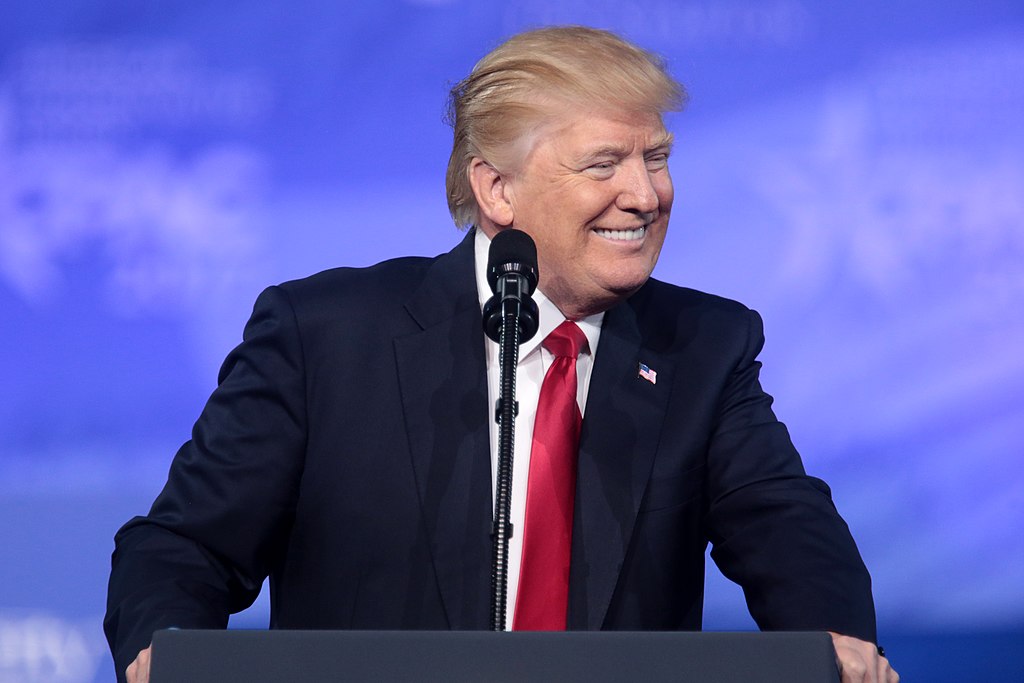
As President Donald Trump embarks on his second term in 2025, his administration is implementing significant changes to the United States' involvement in the North Atlantic Treaty Organization (NATO). These policy shifts are prompting widespread concern among allies and defense experts.
Demand for Increased Defense Spending
A central aspect of Trump's NATO strategy is his insistence that member nations increase their defense expenditures. He has reiterated that the U.S. will not continue to shoulder a disproportionate share of the alliance's financial burden. This stance has led to heightened tensions within NATO, as some member countries struggle to meet the 2% of GDP defense spending target.
Reevaluation of U.S. Military Commitments
The administration is reassessing the deployment of U.S. forces in Europe. Discussions include potential troop reductions in Germany and other NATO countries, aiming to realign military resources with the administration's strategic priorities. Critics argue that such moves could weaken the alliance's deterrence capabilities against adversaries like Russia.
Controversial Statements and Reactions
President Trump's remarks questioning the automatic defense of NATO allies have sparked controversy. He has suggested that U.S. support could be conditional on allies fulfilling their financial obligations. These statements have raised concerns about the reliability of the U.S. commitment to collective defense, a cornerstone of NATO's founding principles.
European Response and Strategic Adjustments
In response to the U.S. policy shifts, European nations are exploring measures to bolster their own defense capabilities. Initiatives include increased defense spending, development of independent military assets, and strengthening regional security collaborations. These efforts aim to reduce reliance on U.S. military support and ensure the continent's security amidst evolving geopolitical dynamics.
Implications for Transatlantic Relations
The administration's approach to NATO is influencing broader transatlantic relations. Allies express concerns about the future of U.S. leadership within the alliance and the potential impact on global security structures. Diplomatic efforts are underway to address these issues and maintain cohesion among member states.
Conclusion
President Trump's 2025 NATO policies represent a significant shift in the United States' approach to the alliance. By demanding increased financial contributions from allies and reevaluating military commitments, the administration seeks to redefine the U.S. role within NATO. These developments are prompting critical discussions about the future of transatlantic security and the resilience of longstanding international partnerships.







