


 Canada Grants C$7 Million to Greenland Molybdenum Mine to Strengthen Critical Minerals Supply
  Asian Currencies Stay Range-Bound as Investors Eye China Data, RBNZ Outlook and U.S.-Iran Ceasefire
  China Expands Export Controls, Adds 20 Japanese Companies to Restricted List
  Oil Prices Rise as US-Iran Tensions Threaten Strait of Hormuz Oil Shipments
  Central Banks Eye Gold, Reduce Dollar Exposure as AI Adoption Accelerates: OMFIF Survey
  Maria Corina Machado’s Return to Venezuela Faces U.S. Hesitation After Deadly Earthquakes
  Ukraine Strikes Russian Titan-Barrikady Plant With Long-Range FP-5 Flamingo Missile
  Despite its best efforts, Iran won’t be able to toll the Strait of Hormuz. Here’s why
  Supreme Court Backs Lisa Cook, Defends Federal Reserve Independence Against Trump Firing Attempt
  Serbia Protests Continue as Thousands Rally Despite Vucic’s Resignation Plan
  Trump Suspends Some Morocco Fertilizer Tariffs to Ease U.S. Supply Shortage
  World Bank Approves $1.1 Billion Emergency Funding for Bangladesh Amid Food and Energy Price Pressures
  Asian Stocks Slip as US-Iran Ceasefire Hopes Lift Oil, Dollar Strength Persists
  Mexico, U.S. Launch Sterile Fly Facility to Combat New World Screwworm Outbreak
  Australia, Vanuatu Sign Security Pact Amid Pacific Influence Competition
  Trump Threatens 100% Tariffs on Countries Imposing Digital Services Taxes on U.S. Tech Firms
  Israeli Airstrike Kills Three in Central Gaza Despite Ceasefire


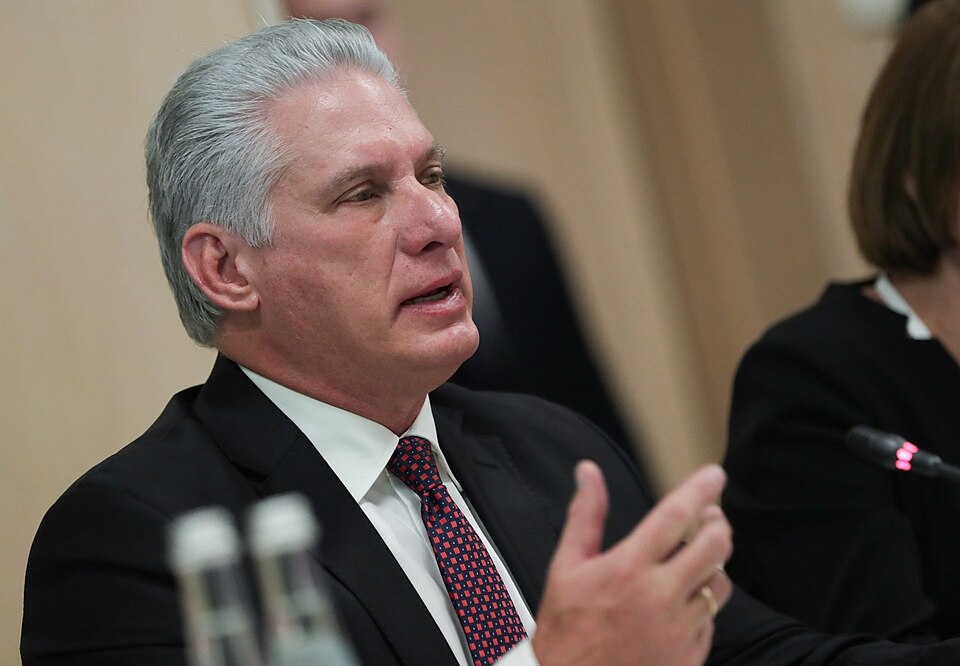
Cuba said Thursday it is open to considering a $100 million humanitarian aid proposal from the United States, though officials remain doubtful about President Donald Trump’s broader intentions as the island struggles through a worsening energy and economic crisis.
Cuban Foreign Minister Bruno Rodriguez stated that Havana would review the aid package if it comes without political conditions or attempts to influence the country’s internal affairs. His comments followed renewed claims from the Trump administration that Washington had offered humanitarian assistance along with access to fast satellite internet in exchange for what U.S. officials described as “meaningful reforms.”
Rodriguez dismissed earlier reports of the proposal as a “fable,” but U.S. officials repeated the offer this week, escalating diplomatic tensions between the two countries.
Cuba’s economic conditions have sharply deteriorated since Trump threatened tariffs in January on countries supplying oil to the Caribbean nation. Key partners including Venezuela and Mexico reportedly reduced fuel shipments, contributing to severe shortages of gasoline and widespread electricity outages across Cuba. The crisis has heavily affected transportation, healthcare services, food distribution, and daily life for millions of Cubans.
The United Nations recently criticized the U.S. fuel blockade, calling it unlawful and warning that the sanctions undermine Cuba’s rights to food, healthcare, education, and sanitation.
Cuban President Miguel Diaz-Canel said the government would accept humanitarian aid if it respects international standards. However, he described Washington’s approach as “inconsistent and paradoxical,” arguing that lifting U.S. sanctions would provide more meaningful relief than temporary assistance.
Diaz-Canel said any incoming aid would prioritize fuel, medicine, and food supplies. Meanwhile, the Trump administration continues to accuse Cuba’s communist government of corruption and incompetence while seeking political change on the island.
Despite rising tensions, diplomatic contacts remain active. Cuba confirmed Thursday that CIA Director John Ratcliffe recently met with Cuban intelligence officials to discuss economic security and potential future cooperation if Cuba implements major reforms.







