


 Trump Congratulates Ali al-Zaidi on Iraq Prime Minister Nomination, Signals Strong U.S.-Iraq Ties
  U.S. Flags Vietnam as “Priority Foreign Country” Over Intellectual Property Concerns
  Trump Expands Cuba Sanctions Targeting Key Sectors and Foreign Entities
  EU Warns of Response as U.S. Considers 25% Tariffs on Car Imports
  FEMA Reinstates Employees After Dissent Letter, Signaling Shift in Workforce Stability
  U.S. Military Presence in Germany Strengthens NATO Readiness and Training
  Medicare to Cover GLP-1 Weight-Loss and Diabetes Drugs Starting July 1
  U.S. Sanctions Former DR Congo President Joseph Kabila Over Rebel Support
  Cuba Condemns New U.S. Sanctions, Calls Measures “Collective Punishment”
  Iran Threatens Prolonged Strikes as Strait of Hormuz Crisis Drives Global Oil Surge
  Lebanon Political Divide Complicates Saudi Push for Israel Negotiations
  Trump Criticizes German Chancellor Merz Over Iran War and Ukraine Policy
  Aung San Suu Kyi Moved to House Arrest Amid Myanmar Political Crisis
  US Adds European Union to Section 301 Watchlist Amid Trade Concerns
  US Gaza Coordination Overhaul Raises Concerns Over Ceasefire and Aid Efforts
  Judge Rules Use of Military Lawyers in Civilian Prosecutions Is Lawful
  Trump Rejects Iran Proposal as Tensions Persist Amid Fragile Ceasefire


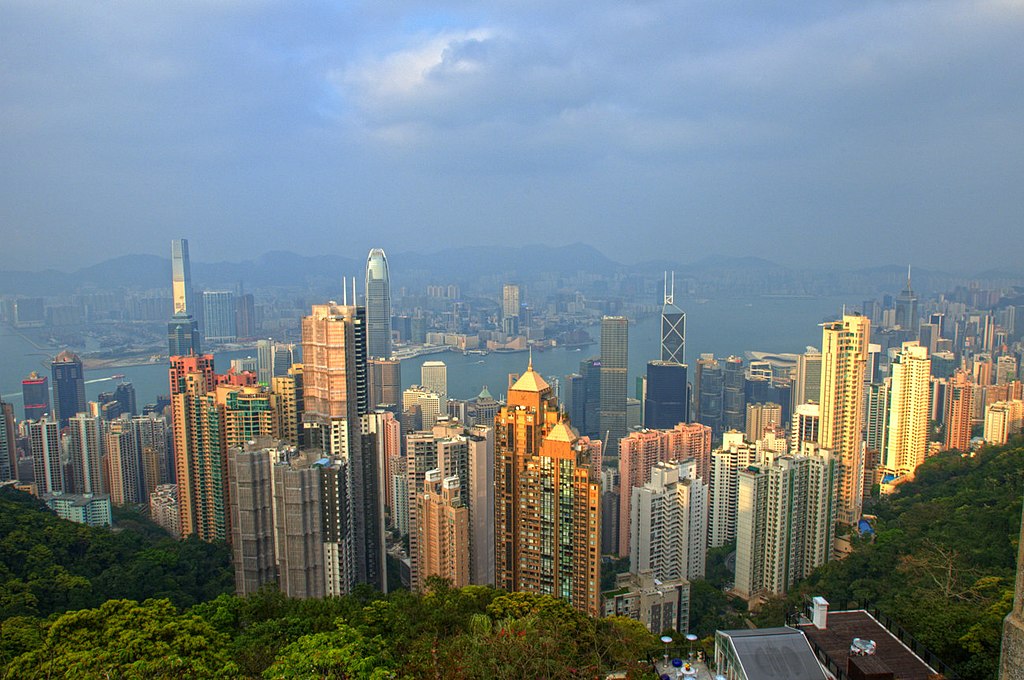
Hong Kong’s last major opposition party, the Democratic Party, has voted to disband, marking a significant moment in the city’s political history and underscoring the impact of China’s national security crackdown on liberal voices. Party members approved the decision on Sunday following years of mounting pressure and shrinking political space for pro-democracy groups.
Founded in the mid-1990s, three years before Hong Kong’s 1997 handover from Britain to China, the Democratic Party was long regarded as the city’s flagship opposition force. For decades, it played a central role in legislative politics, winning city-wide elections and advocating democratic reforms, civil liberties, and the protection of Hong Kong’s freedoms under the “one country, two systems” framework.
The political landscape changed dramatically after the mass pro-democracy protests of 2019, which were triggered by concerns over Beijing’s growing influence in the city. In response, China imposed a sweeping national security law in 2020, granting authorities broad powers to curb dissent. Since then, numerous activists, lawmakers, journalists, and civil society organizations have been arrested, silenced, or forced to disband.
At an extraordinary general meeting, 117 out of 121 Democratic Party members voted in favor of dissolving the party and entering liquidation, with four abstentions. Party chairman Lo Kin-hei described the group’s three-decade journey as an honor, saying it had always placed the well-being of Hong Kong and its people at the center of its mission.
Senior members previously told Reuters they were warned by Chinese officials or intermediaries to disband or face severe consequences, including possible arrest. Several prominent figures associated with the party have already been jailed or detained under the security law.
The decision comes shortly after a “patriots only” legislative council election, which excluded opposition candidates, and ahead of a verdict in the high-profile national security trial of media tycoon Jimmy Lai. While Western governments have criticized the law for undermining freedoms, Beijing maintains it has restored stability to Hong Kong.







